In a case that has left French investigators perplexed, a murder trial in Paris has encountered a unique forensic obstacle: the defendants are identical twins with indistinguishable DNA profiles. The trial, which involves five defendants including 33-year-old brothers identified only as Samuel and Jérémy Y, centres on the fatal shooting of two men in September 2020.
The Crime and the Conundrum
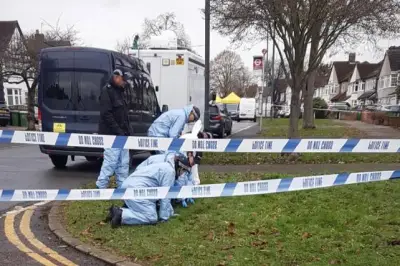
On September 14, 2020, victims Tidiane, aged 17, and Sofiane, aged 25, were shot and killed in a cellar in Saint-Ouen, a northern suburb of Paris. Both twin brothers face accusations of plotting the killings, but a critical piece of evidence has created a legal impasse. DNA recovered from one of the weapons used in the crime definitively belongs to one of the twins, yet forensic science cannot determine which brother it was.
Forensic Limitations and Familial Similarities
Identical twins originate from a single fertilised egg that splits into two embryos, resulting in siblings who share virtually identical genetic material. This biological fact renders traditional DNA analysis ineffective for distinguishing between them in criminal investigations. As one investigator remarked to the press, ‘Only their mother can tell them apart.’
An expert involved in analysing the DNA evidence confirmed that only one twin’s genetic material was present on the weapon, yet pinpointing the individual remains impossible with current technology. This complication is exacerbated by allegations that the brothers have historically exploited their identical appearance to confuse authorities.
A Pattern of Deception
Police sources indicate that Samuel and Jérémy Y have allegedly engaged in deliberate tactics to obscure their identities. A commander informed Le Parisien that the pair ‘exchange clothes as well as phone lines and identity papers. For a very long time, they have used this twinship in their criminal career.’ Such behaviour adds layers of complexity to an already challenging investigation.
Broader Implications for Justice
While the twins’ trial is ongoing and expected to conclude in late February, this is not the first instance where identical twin DNA has disrupted legal proceedings. In a previous UK case, twin brothers Kailum and Kieran Nightingale were convicted of manslaughter, though their shared genetics posed similar identification hurdles.
Forensic scientists note that although identical twins’ DNA is essentially the same, minor mutations can exist, but these are exceptionally difficult to detect and utilise in court. This case underscores ongoing debates about the limitations of forensic science and the ethical dilemmas in prosecuting individuals with identical genetic profiles.
The outcome of this trial could set a significant precedent for how judicial systems handle evidence involving identical twins, potentially influencing future legal standards and investigative protocols across Europe.