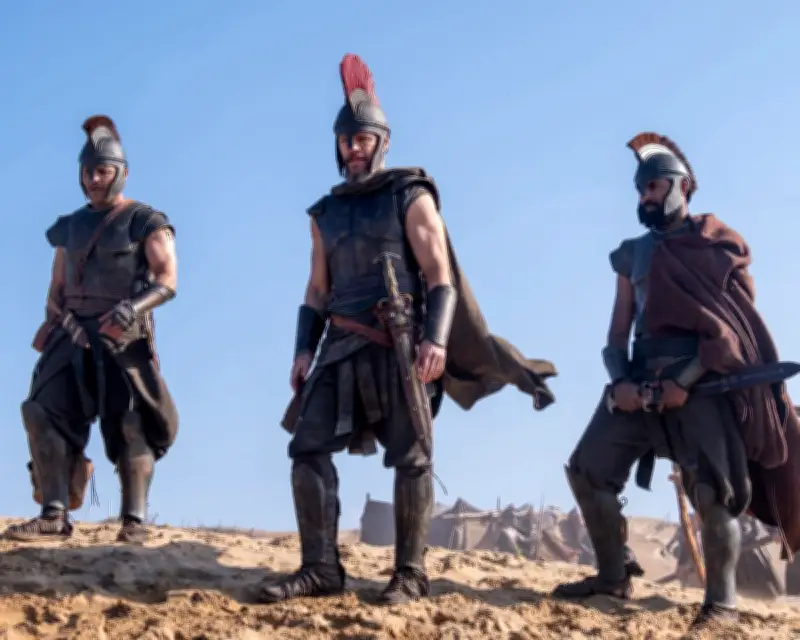
Christopher Nolan's The Odyssey has come under fire for filming in Moroccan-occupied Western Sahara, a territory where Indigenous Sahrawis face severe restrictions on cultural expression. Sahrawi artist Mohamed Sleiman Labat, writing in a commentary, described the decision as a betrayal that helps erase the Sahrawi people's own brutal journey of displacement and suffering.
An Epic Irony: Filming Displacement on Occupied Land
Labat noted that while Sahrawi filmmakers and journalists risk imprisonment for documenting everyday life under Moroccan occupation, international crews like Nolan's are welcomed and granted access by the same authorities. The film, an adaptation of Homer's poem about a decades-long struggle to return home, was shot on land where Sahrawis have lived their own odyssey for over 50 years.
Western Sahara was invaded by Morocco and Mauritania in 1975 after Spanish colonial rule ended. Today, half of the Sahrawi population lives in refugee camps in Algeria, while the other half remains under a military police state separated by a 2,700km wall fortified with millions of landmines.

Extractivist Practices in the Film Industry
Labat accused the Western film industry of extractivist practices, mining stories and culture from the global south without consent. He argued that Nolan's shoot in Dakhla neither sought Sahrawi consent nor considered the ethics of legitimizing Morocco's occupation, calling it a state-sponsored PR campaign.
Under international law, using resources—material or immaterial—of a non-self-governing territory without Indigenous consent is illegal, Labat emphasized. The UN recognizes Western Sahara as a non-self-governing territory.
Morocco's Weaponization of Cinema
Morocco has long used cinema to whitewash its occupation, courting foreign film crews while denying Sahrawis the right to film themselves. This, Labat said, is part of a deliberate campaign to dilute Sahrawi language, overwrite stories, and replace the Indigenous population with Moroccan settlers.
Labat called on audiences to consider the ethics behind the film's making: “Those cinematic shots sold to them as the places and moments where historical epics took place were captured at the expense of the Sahrawi people's suffering.”
He concluded that until international filmmakers refuse to comply with the occupying power, every frame shot in Western Sahara by an outsider is a betrayal to the art of storytelling.