The rightwing press in Britain has undergone a profound transformation, becoming angrier and more extreme. This shift, driven by the influence of former Daily Mail editor Paul Dacre and his proteges, has reshaped outlets like the Daily Telegraph, the Times, and the Sunday Times. These papers now echo the Mail's combative style, covering culture wars and immigration with heightened rhetoric.
Dacre's legacy and the rise of his disciples
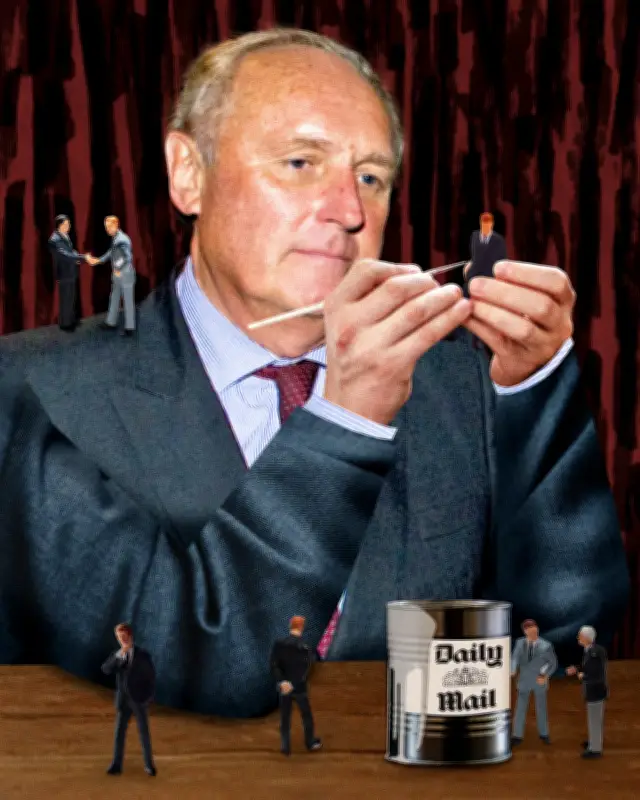
Paul Dacre, editor of the Daily Mail from 1992 to 2018, pioneered a confrontational, energy-driven journalism. His methods—shouting, micromanaging, and demanding relentless news gathering—created a culture of intensity. Four of his proteges now edit major rightwing papers: Tony Gallagher at the Times, Chris Evans at the Daily Telegraph, Ben Taylor at the Sunday Times, and Ted Verity at the Daily Mail. All spent formative years at the Mail under Dacre.
According to a former Mail columnist, Dacre was "terrifying" and created a "cult" that made the paper almost self-parodic. His style emphasized victory over competitors, with reporters often told to confirm his views rather than discover new angles.

The Telegraph's transformation
The Daily Telegraph, once known for its mild conservatism, has become one of the angriest rightwing papers. Under Gallagher and then Evans, it adopted Mail-style tactics. A former Telegraph reporter said: "When I started, you would get handwritten letters from pensioners about their gardens. Now we got complaints: 'The Telegraph used to be so nice. Now it's so angry.'"
Headlines have become hyperbolic. In April 2024, a front page claimed: "Labour to unleash up to 12,000 shoplifters." Another warned: "One in 12 in London is illegal migrant," which later required a correction by the press regulator Ipso. The paper's news coverage, once revered for quirky stories, is now partisan and polemical.
The Times and Sunday Times shift right
The Times, traditionally a calm centre-right paper, now runs ideologically framed stories. A March 2025 headline read: "Middle class will lose out as benefits claimants get energy help." The Sunday Times hired Ben Taylor as deputy editor in 2020, who brought Mail methods, calling its news operation "ridiculous" and hiring four Mail reporters. He became editor in 2023.
Columnist Rod Liddle described London as "a rancid, alien, chaotic dystopia" in November 2024, reflecting a harder edge. The papers increasingly cover similar stories to the Mail, creating a mutually supportive ecosystem.
Impact on politics and society
This radicalisation has helped power Reform UK, pushed the Conservatives rightward, and attacked Keir Starmer's government. The rightwing press often warns about radicalisation of others, but itself has become more extreme. Dacre's influence extends beyond his proteges: Victoria Newton (Sun editor), James Slack (Sun deputy editor), Maggie O'Riordan (Times deputy editor), and Keith Poole (New York Post editor) all worked at the Mail.
Despite this ascendancy, the model faces challenges. Editorial budgets are tighter, shouting is less acceptable, and digital data shapes decisions. The rise of ultra-conservative social media influencers, like Elon Musk, offers more extreme alternatives. The Mail's website, while successful, has diluted the brand with showbiz stories.
Paradoxes and future prospects
The Dacre supremacy is paradoxical. Papers focus on crime, immigration, Islam, and wokeness, yet no Conservative prime minister since Thatcher has fully satisfied Dacre. The Telegraph often supports Reform, the Mail suggests a Tory-Reform coalition, and the Sunday Times backed Labour at the last election. Meanwhile, British society has become more multicultural and liberal, according to the British Social Attitudes survey.
Dacre's childhood suburb, Arnos Grove, has changed too: local cafes now serve Turkish food. As the country evolves, the rightwing press must adapt or face declining relevance. The globalisation of reactionary journalism offers opportunities, but the days of Dacre-style dominance may be numbered.