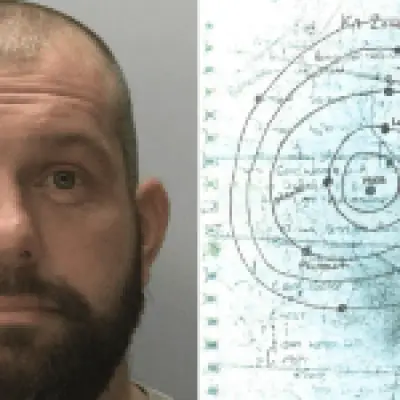
The jailing of Robert Bush for 67 offences, including 30 counts of preventing a lawful and decent burial, has prompted the UK government to commit to new regulations for the funeral industry. The Ministry of Justice has confirmed that legislation will be introduced, expected to include a licensing scheme, minimum standards, and provisions for inspections.
A shocking case exposes regulatory gaps
Bush, who ran Legacy Independent Funeral Services in Hull, was sentenced to 20 years in prison. Police discovered multiple bodies decomposing on racks at his premises. He returned the wrong ashes to families, stole money donated to charities, and spent more than £42,000 on holidays over 12 years.
The case has horrified the public and highlighted a peculiar blind spot in UK law: funeral directing is currently unregulated despite being a sensitive and essential service. The Scottish government introduced its own regulatory system last year, and now England is following suit.

Families speak of distress
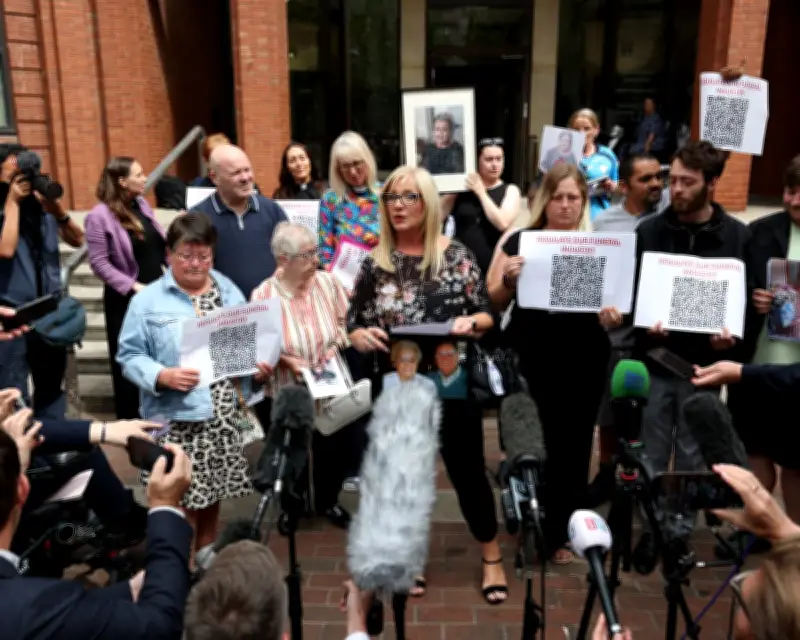
In court, relatives described the emotional toll. David Gorbutt, who scattered a stranger's ashes in place of his wife's, said he felt "abused". Karen Dry, who used Legacy's services for her parents' funerals in 2016 and 2018, spoke to the media outside Hull crown court, representing other affected families.
The Competition and Markets Authority proposed tighter regulation in 2020, and the independent inquiry into David Fuller, who abused bodies in hospital mortuaries, also recommended oversight of undertakers. The government has now accepted these recommendations.
Not an isolated incident
Bush's case is extreme, but he is not the only undertaker to be jailed. Last year, Amie Upton was banned from NHS mortuaries and maternity wards in Leeds after the BBC exposed complaints about Florrie's Army, a baby-loss service she set up. Upton has not been charged, but Labour MP Mark Sewards argued that constituents' disturbing experiences point to the need for new laws.
Regulation must be balanced
Trade organisations have proposed a model where they would work alongside the Human Tissue Authority. However, regulation alone is not a panacea; opportunities to intervene in Hull appear to have been missed.
About 65% of the more than 500,000 funerals in the UK each year are handled by small, independent businesses. Regulation must protect them as well as families who wish to prepare bodies themselves. The potential increase in funeral costs must also be considered, as many already struggle to afford them.
Need for public input
The Law Commission believes laws concerning dead bodies may require wider review. But the priority is to prevent rogue operators and identify existing ones. Grieving people must be able to trust those entrusted with relatives' bodies. It is vital to find out what the public and the industry want from reform.