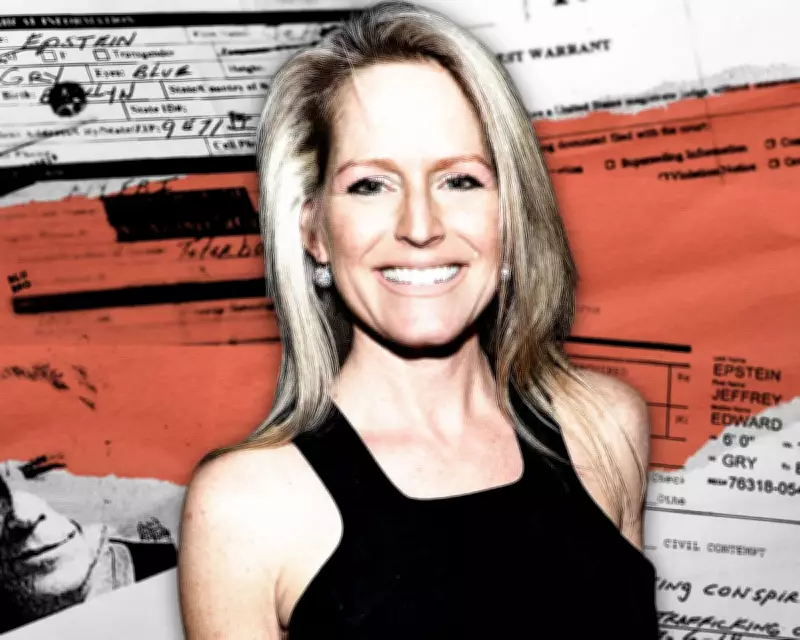
Lesley Groff, Jeffrey Epstein's former executive assistant, has always maintained she knew nothing of his crimes. But as thousands of emails from the Epstein files reveal, her role in managing his daily life raises troubling questions about complicity.
The Assistant's Role
Groff worked for Epstein for 18 years, from 2001 until his arrest in July 2019. She managed his calendar, arranged appointments, and coordinated travel. According to her lawyer, Michael Bachner, she never witnessed or was told of anything illegal related to the massages Epstein demanded daily.
In an FBI interview, Groff stated she had never heard of Epstein before a headhunter contacted her. She described him as a "Manhattan socialite." But as the emails show, she was deeply embedded in his operations.

Emails Reveal Patterns
Groff's emails often involved arranging meetings with young women. She would coordinate their travel, visas, and accommodation. In one exchange, she confirmed a girl's friend could "just stop by" after the girl expressed nervousness. Groff replied: "He says of course you can just stop by!!! :)"
Another email shows Groff arranging payments for "time spent on the island." She also handled lost property, such as a green bikini left in a drawer. The young women were often referred to as "girls" and their appointments were scheduled around school or work.
Legal Immunity
Groff was named in Epstein's 2007 non-prosecution agreement, which granted immunity to potential co-conspirators including her. Despite being named in multiple civil suits, all cases against her were dismissed. In 2021, federal prosecutors decided not to bring charges.
However, the US Congress's oversight committee has asked Groff to testify, believing she has information relevant to their investigation into the Epstein case.
Moral Complicity
Law professor Amos Guiora describes Groff as a "classic case" of enabling abuse. "All this shit can't happen without her," he said. Unlike criminal complicity, moral complicity requires only knowledge and inaction.
Groff's husband once emailed her a Daily Beast article titled "How the hedge fund mogul pedophile got off easy." She replied: "yes, he told me yesterday this would be in the Daily Beast." This suggests she was aware of the allegations against Epstein.
Divided Life
Despite her work, Groff maintained a seemingly normal family life. She and her husband discussed house renovations, play dates, and summer camps for their son. She wrote that having a child was "THE MOST AMAZING thing you will ever experience."
Yet she continued to arrange appointments for Epstein, even after his 2008 conviction. Her lawyer said she considered resigning but was manipulated by Epstein, who surrounded himself with influential figures that made his world seem legitimate.
The Question of Knowledge
Victims like Juliette Bryant and Rina Oh believe Groff must have known. Bryant said: "If I'd been working in that office I'd have found it odd, with all the young girls coming and going." Oh stated: "They can't deny they were enabling."
In one email to her husband, Groff wrote: "I knew down thing was going on but I did not know what." This suggests she had suspicions but chose not to act.
Conclusion
Lesley Groff may never face criminal charges, but the question of her moral responsibility remains. As the Epstein files show, she was the linchpin of his daily operations. Whether she knew or not, her actions enabled a system of abuse that lasted for years.