Detroit Judge Erases 1999 Murder Conviction After Coerced Confession Exposed
A Detroit-area judge has officially erased the 1999 murder conviction of George Calicut Jr, who has spent more than twenty-five years behind bars serving a life sentence without parole. This landmark decision came after prosecutors acknowledged that his confession was coerced by a rogue police officer, and recent DNA testing further undermined the case against him.
Decades of Incarceration Based on Flawed Evidence
George Calicut Jr, now 56 years old, was convicted for the murder of Virgie Perkins at her Detroit home in 1999. Throughout his imprisonment, Calicut consistently maintained his innocence, pointing out that there were no eyewitnesses or physical evidence linking him to the crime. He even testified that he never saw the purported confession until his trial, where it was presented as key evidence.
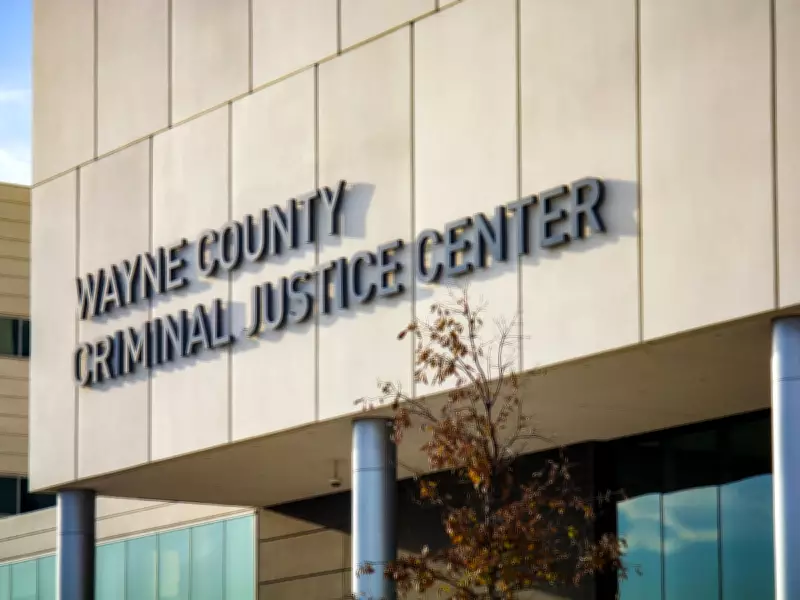
The Wayne County prosecutor's office, in collaboration with Calicut's legal team, stated that recent DNA analysis "further supports the lack of any evidence" connecting him to the murder. This revelation, combined with the admission of the coerced confession, led to the conviction being vacated on Tuesday.

Police Misconduct and a Flawed Investigation
At the heart of this case is former Detroit homicide investigator Barbara Simon, who admitted during the trial that she wrote Calicut's alleged confession before he signed it. According to a four-page agreement filed by prosecutors and Calicut's attorneys, Simon told Calicut—who had no prior interactions with police—that she could help him by creating a statement that would reduce the charge to manslaughter, allowing him to get a bond and go home.
Calicut was accused of choking Perkins and cutting her neck while stealing money and a phone from her home. He admitted to taking a phone from Perkins' son the next day but claimed he grabbed it from a vehicle, not from the crime scene. Despite his testimony denying the statements in the confession, he was convicted and automatically sentenced to life without parole.
Legal Advocacy and Systemic Reforms
Calicut was represented by the Innocence Clinic at the University of Michigan Law School, with the Cooley Innocence Project at Cooley Law School also playing a role in his defense. Valerie Newman, head of the conviction integrity unit, emphasized that clearing Calicut "reflects this office's unwavering commitment to the integrity of convictions and the credibility of the system."
The Michigan Department of Corrections indicated that Calicut would likely be released from prison within hours of the judge's ruling. This case highlights ongoing issues within the criminal justice system, particularly regarding police misconduct and wrongful convictions.
Broader Implications and Unanswered Questions
Barbara Simon, who is now retired from the Detroit Police Department, could not be immediately reached for comment, and a phone number associated with her went unanswered. Detroit has spent millions of dollars settling lawsuits related to Simon's work as a homicide investigator, underscoring the financial and human costs of such misconduct.
Records show that Calicut's trial prosecutor was Mike Cox, who later served as Michigan attorney general and is now a Republican candidate for governor. An email seeking comment about the exoneration was not immediately answered, leaving questions about the prosecution's role in the original trial.
This exoneration adds to a growing list of cases where coerced confessions and lack of evidence have led to wrongful convictions, prompting calls for stricter oversight and reforms in police interrogation practices and judicial review processes.