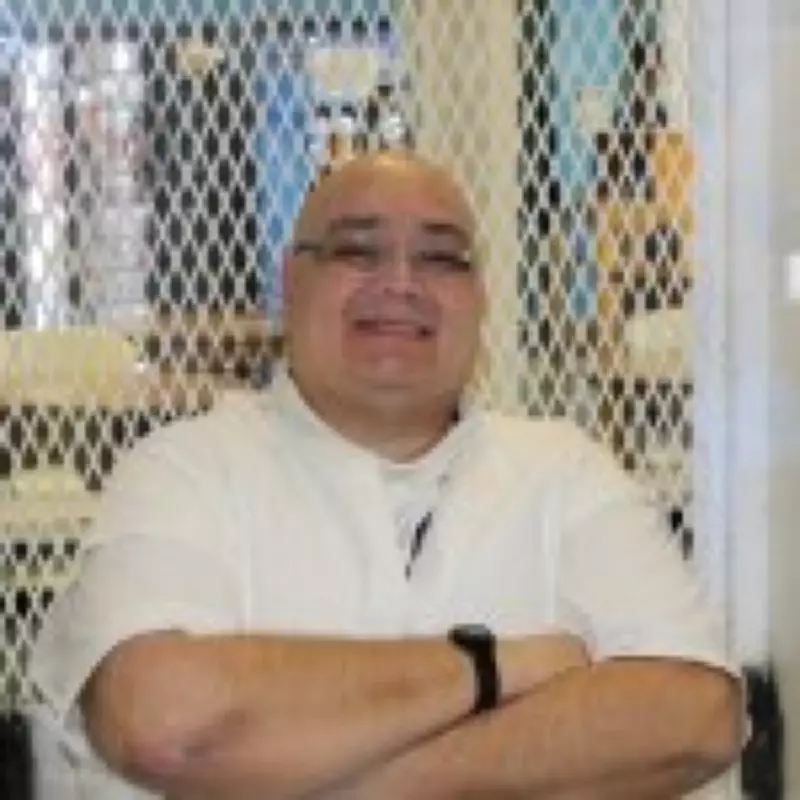
A man on death row in Texas is fighting his conviction after a key witness identified him only after being hypnotised by police. Charles Flores has spent 26 years on death row for the 1998 murder of Elizabeth 'Betty' Black, but he has always maintained his innocence. His case has taken a bizarre turn as it emerges that the neighbour who identified him, Jill Barganier, changed her account after undergoing forensic hypnosis.
Now, after exhausting all appeals, Flores has one last chance at freedom: a petition to the Supreme Court. In his first national TV interview with NBC News, Flores told reporter Dan Slepian: 'I'm getting set up. I had nothing to do with the murder of Mrs Black.'
What happened in the murder case?
In January 1998, William Black returned home to find his property burgled and his wife Betty fatally shot. The Blacks had been hiding drug money for their son, who was incarcerated at the time. Neighbours told police they had seen two men get out of a distinctive Volkswagen Beetle and enter the home. The next day, next-door neighbour Richard Childs was identified as the driver. Childs later confessed to murder and took a plea deal of 35 years, serving 17 before parole in 2016.
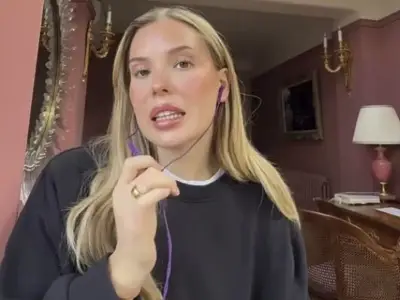
Five days after Childs' arrest, neighbour Jill Barganier was taken to the police station to create a composite sketch of the passenger. While she identified Childs as the driver, she did not identify Flores in two lineups. She then underwent hypnosis by a police officer. During the session, she described the passenger as a white male with long hair and a medium build, which did not match Flores, described as 'Hispanic, short, stocky, with then shaved hair.' Before the hypnosis ended, the officer told her she would 'be able to recall more of the events as time goes on.'
However, Houston Public Media later reported that not all rules were followed during the recording of the session, and a Texas law was broken. At the time, the technique was allowed, but officers involved in the case were not permitted to be part of a hypnosis session.
How did the witness change her story?
Thirteen months later, during Flores' trial, Barganier made a dramatic 360-degree statement, identifying him as the passenger in the Beetle and telling the court she was '100% sure.' This bombshell testimony condemned Flores, even though no physical or DNA evidence tied him to the murder. Flores did not pull the trigger, but under Texas law, he received the death sentence for being an accomplice under the law of parties.
Flores had an alibi: he said he was making breakfast with his wife at the time of the murder. He also did not match the accomplice description. NBC reported that the car used in the murder was hidden behind Flores' home, which he set on fire two days later before fleeing to Mexico. Upon returning, he led police on a chase, crashed his car, and tried to escape from hospital. When asked why he fled if innocent, Flores said: 'I'm here to tell you that you also run when you are afraid. I had that thought: "They're going to kill me, they're going to kill me." And you know what? I was right. Where am I?'
What happened to the hypnosis method?
Flores came within five days of execution in 2016 but was granted a stay after presenting evidence from psychology professor Steven Lynn, whose research linked the hypnosis method used to the creation of false memories. An investigation in 2020 by Dallas Morning News found that investigative hypnosis had been used in at least 1,700 cases in Texas since the 1980s, resulting in prison convictions and death sentences. After experts raised concerns, the method was banned from criminal proceedings as unreliable. However, the ban did not apply retroactively, so Flores' conviction stood.
Flores now petitions the Supreme Court for a final chance at freedom, hoping to overturn a conviction built on what he and his supporters say is flawed and unreliable evidence.