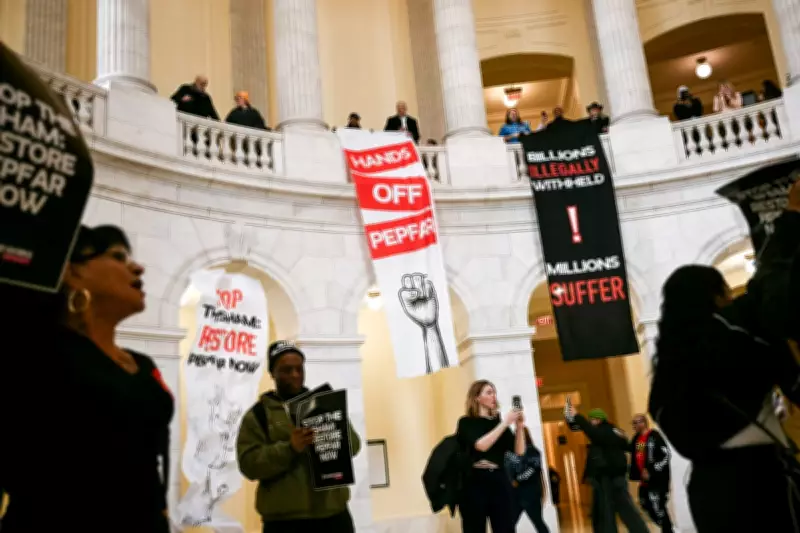
With the midterm elections looming, former President Donald Trump’s record on HIV/AIDS is coming under renewed scrutiny. Activists and public health experts are raising concerns that his administration’s policies could undermine decades of progress in combating the epidemic.
Criticism of Trump’s Approach
Critics argue that Trump’s focus on conservative social agendas, rather than evidence-based public health strategies, has weakened the national response to HIV/AIDS. During his presidency, funding for key programs such as the Ryan White HIV/AIDS Program and the President’s Emergency Plan for AIDS Relief (PEPFAR) faced threats of cuts, although Congress often restored or increased funding. Additionally, his administration’s efforts to repeal the Affordable Care Act (ACA) alarmed advocates, as the ACA provides coverage for millions of people living with HIV.
Impact on Vulnerable Communities
Health experts emphasize that Trump’s policies disproportionately affect marginalized communities, including LGBTQ+ individuals and people of color, who already face higher rates of HIV infection. The administration’s rollback of protections for transgender individuals in healthcare and its support for religious exemptions that could allow discrimination against LGBTQ+ people have heightened fears of reduced access to preventive services like PrEP.

Contrast with Biden Administration
The Biden administration has made HIV/AIDS a priority, releasing a new national strategy aimed at ending the epidemic by 2030. In contrast, Trump’s record is seen by many as a step backward. However, Trump’s allies defend his administration’s efforts, pointing to initiatives like the “Ending the HIV Epidemic” plan, which was launched in 2019 but has been criticized for lacking sufficient funding and implementation.
Political Implications for Midterms
As Republicans campaign for the midterms, Trump’s HIV/AIDS record could become a liability, particularly among suburban voters and younger demographics who prioritize healthcare. Democratic candidates are likely to highlight these issues to mobilize voters. Meanwhile, HIV/AIDS activists are urging all candidates to commit to evidence-based policies and increased funding.
With the stakes high, the debate over Trump’s legacy on HIV/AIDS underscores the broader partisan divide on public health issues. The outcome of the midterms will determine whether the U.S. continues on its current trajectory or shifts back to policies that activists warn could reverse hard-won gains.