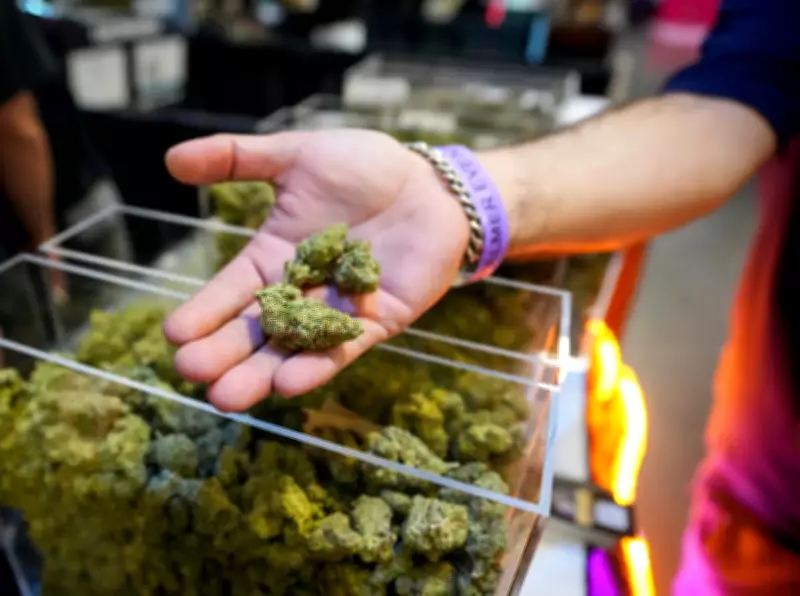
The Trump administration has moved to reclassify marijuana, more than four months after Donald Trump signed an executive order directing the attorney general to shift it from Schedule I to Schedule III under the Controlled Substances Act. This change places marijuana alongside substances like ketamine, anabolic steroids, and testosterone, rather than heroin, LSD, and MDMA.
Details of the Reclassification
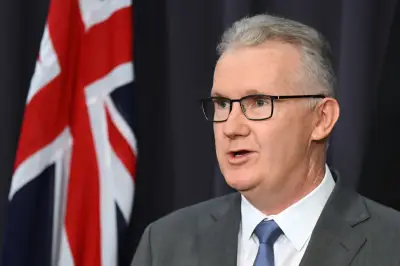
Acting Attorney General Todd Blanche signed the order on Thursday, stating in a post on X that the Department of Justice is "delivering on President Trump's promise to improve American healthcare." Blanche emphasized that the reclassification will enable more targeted research into marijuana's safety and efficacy, expand patient access to treatments, and empower doctors to make better-informed decisions.
This move follows Trump's recent executive order to speed up a review of psychedelic drugs, including ibogaine, which remains in the top category of illegal drugs. The order could ease restrictions and increase research on psychedelic compounds for medical purposes.

Political Context and Delays
At the signing of the psychedelic drug order, Trump complained that federal officials were "slow-walking" the process of rescheduling marijuana. He urged them to get it done, saying, "You're going to get the rescheduling done, right, please?"
Roger Stone, a Republican operative, recently stressed the importance of reclassification before the midterm elections due to its appeal to young and libertarian voters. He accused someone in the administration of "holding up" the process.
What Reclassification Means
Notably, rescheduling does not immediately legalize marijuana or affect sentences for those incarcerated for possession. It also does not lead to full legalization, and business banking restrictions remain due to anti-money laundering laws. Marijuana is currently legal in some form in 40 US states, but transporting Schedule III drugs across state lines without authorization remains illegal.
Marijuana-legal states have built large surpluses, causing a crash in wholesale prices known as the "ganja glut."
Leadership Changes
The announcement comes three weeks after Pam Bondi was fired as attorney general. Bondi had opposed marijuana reform in Florida. She was replaced by Todd Blanche, who previously said he would give reclassification "careful consideration after conferring with all relevant stakeholders, including Drug Enforcement Administration personnel."
Public Opinion
Most Americans support relaxing restrictions on marijuana, though support has softened since widespread availability. An Economist/YouGov poll found 53% of adults support legalization, including 35% of Republicans. A NuggMD survey showed 83% support Trump's executive order, with 7% opposed and 10% undecided.