Two quotes in a recent article struck a chord with readers: 'a joyless education system that focused too heavily on passing exams' and 'the level of vitriol and hatred these young people used when talking about schools.'
A Former Adviser's Perspective
David Selby, who worked on the government's Youth Opportunities Programme and Youth Training Scheme, and later as a volunteer with the Youth Offending Scheme for over 20 years, says these quotes did not surprise him. He recalls that in secondary modern schools, most children took no exams at all. In comprehensives and academies, he says, every effort is made to showcase the school through exam results, leaving many students with little to show for their schooling.
Selby describes shadowing a pupil for a day and finding the experience so disengaging that he was 'quite prepared to misbehave.' He criticizes the lecture-heavy approach and suggests that teacher training should focus on interactive methods that better suit students who are not exam-oriented.

He shares a personal anecdote: in his first teaching job, he ran a building construction course, and all his students stayed until the summer, despite being able to leave earlier. He believes this was due to the interactive nature of the course, but notes he was not trained to teach that way.
A Parent's Experience with Youth Unemployment
Mara Musso from London describes the reality of youth unemployment even in relatively affluent areas. Her son found a weekend job at Greggs while in college in 2023, but after leaving college, it took months to secure a job in hospitality. She says he would not have succeeded without her encouragement, motivation, and practical help.
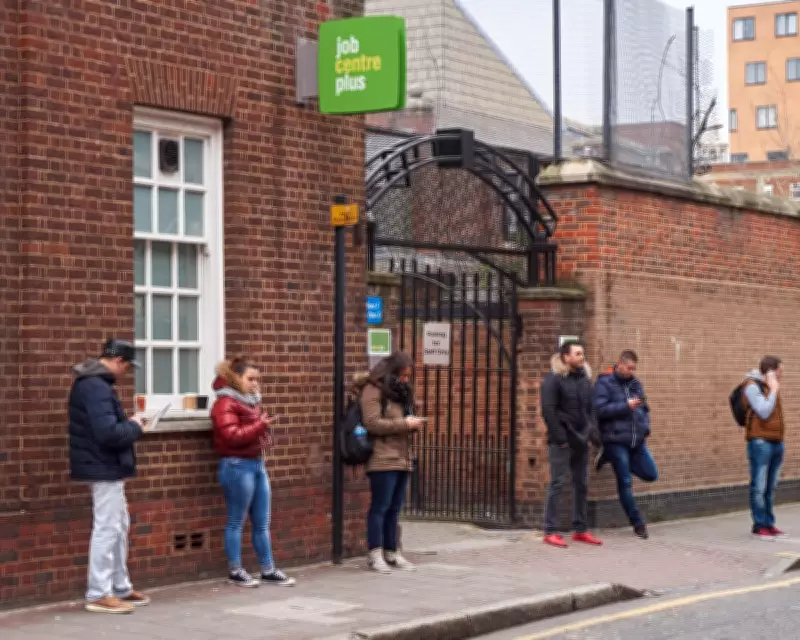
Musso, who moved from Italy to the UK in the late 1980s, recalls that finding work was straightforward back then. 'You could walk into a jobcentre and often leave with a job the same day,' she writes. However, when she and her son visited a local jobcentre recently, they found hardly any jobs advertised. 'The focus appeared to be largely on benefits and support services,' she says, calling it 'genuinely shocking.'
Musso concludes that the government and public services could do much more to support young people into work, and that failing to do so harms both a generation and the wider economy.