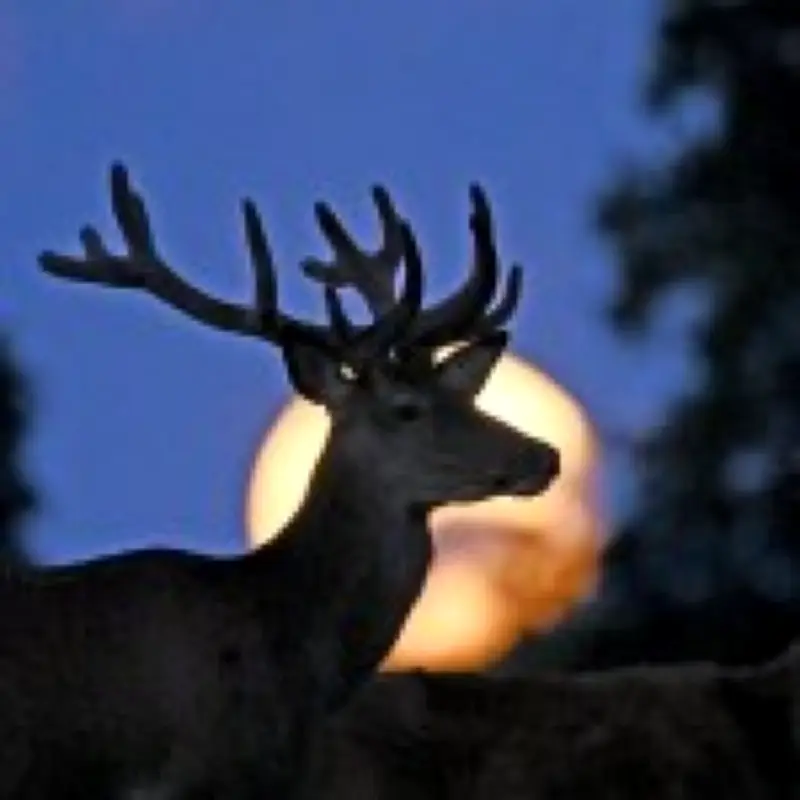
The buck moon will rise today as the eighth full moon of 2026. July’s full moon is usually the seventh of the year, but because of May’s second full moon – known as the rare blue moon – tonight’s is the eighth. Last month, stargazers were treated to the strawberry moon, which, despite its name, doesn’t actually appear pink in the sky, and earlier this month witnessed the beginning of the Perseid meteor shower, which will reach a peak in mid-August.
When can I see the buck moon?
According to the Royal Greenwich Observatory, the buck moon will appear at its fullest at 3:36pm today. Unfortunately, the buck moon will be located just below the horizon at its peak, so it’s unlikely that you’ll catch a glimpse of it at that exact time. However, with weather set to be clear across most of England on Wednesday, you’ll still be able to see it as it rises throughout the evening and into the night – it just won’t be at its fullest.
What does the buck moon mean?
All full moons that rise throughout the year are given unique names, and July’s full moon is no different. The names of most full moons originate from the Native Americans, who use each month’s full moon as a calendar system, helping them keep track of seasons. The buck moon is the Native American name for this month’s full moon, named after the male deer that shed antlers and regrow them throughout the month. However, the buck moon has many other names, including the thunder moon for the summer storms that usually occur in July, and the hay moon, named after the hay harvest that happens this month.

When is the next full moon in the UK?
If you don’t catch this month’s buck moon, don’t worry. There are plenty more full moons happening this year, including: the sturgeon moon on August 28 (5:18am), the harvest moon on September 26 (5:49pm), the hunter’s moon on October 26 (4:12am), the beaver moon on November 24 (2:53pm), and the cold moon on December 24 (1:28am). If you’re also looking for more cosmic fun, the Perseids, known as one of the most beautiful meteor showers of the year, will continue through to August 24, reaching their peak between August 12 and 13. Also on August 12, the UK, Ireland and some parts of Europe will be treated to a stunning partial eclipse, where around 90% of the sun will be covered by the moon, while viewers in Greenland, Iceland and northern Spain will catch a total eclipse.