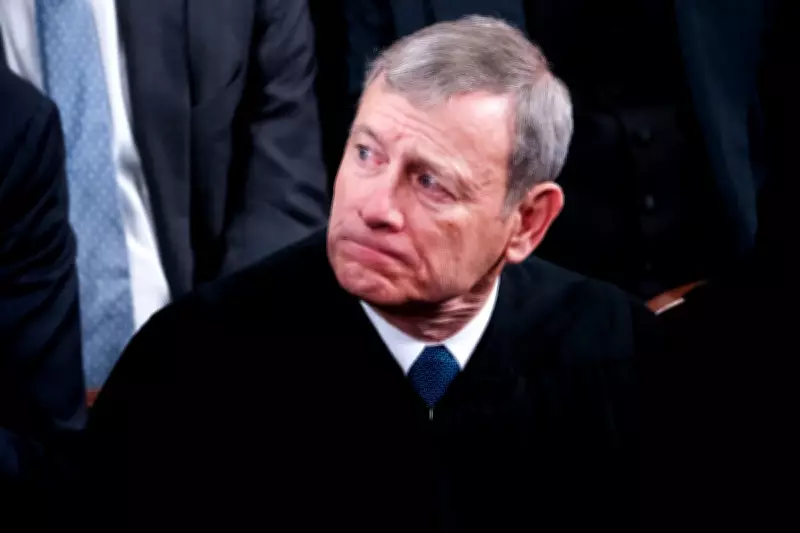
US Chief Justice John Roberts has firmly stated that Supreme Court justices are not "political actors," pushing back against public criticism following recent decisions that have impacted voting rights, abortion, and presidential immunity. Speaking at a conference for judges and lawyers in Hershey, Pennsylvania, Roberts addressed the perception that the court operates on political motivations rather than legal principles.
Roberts Defends the Court's Role
According to the Associated Press, Roberts remarked, "I think, at a very basic level, people think we’re making policy decisions, we’re saying we think this is how things should be, as opposed to what the law provides." He emphasized that the Supreme Court is "simply not part of the political process," though he acknowledged that some rulings may be unpopular. "One thing we have to do is make decisions that are unpopular," he said.
The chief justice, appointed by Republican President George W. Bush in 2005, also condemned threats against lower court judges, calling such actions "inappropriate" and warning they could lead to serious problems.

Controversial Rulings Under Scrutiny
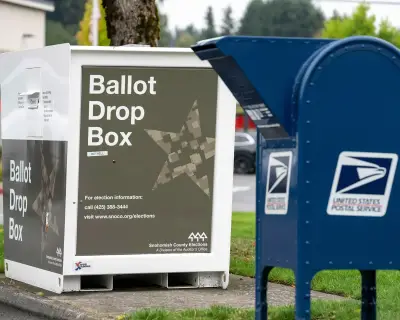
Roberts leads a court where conservatives have held a six-justice majority since 2020. The court has issued a series of landmark decisions, including the overturning of Roe v. Wade, granting presidents immunity for official acts, and most recently, a ruling that undermines the Voting Rights Act. The latter decision has allowed Republican-led states to redraw congressional maps, potentially diluting the voting power of Black communities and impacting Democratic representation in the House.
The court has also utilized the "shadow docket" to temporarily pause lower court rulings against the Trump administration, including on mass deportation policies and federal department restructuring.
Tensions Within the Court
Not all decisions have favored the Trump administration; in February, the court ruled that many of Trump's tariffs were illegal. However, high-profile split decisions have heightened tensions between conservative and liberal justices. In a recent dissent, Justice Ketanji Brown Jackson criticized the court's intervention in Louisiana's congressional map redrawing, calling it "unwarranted and unwise." She wrote, "The Court unshackles itself from both constraints today and dives into the fray. And just like that, those principles give way to power."
Justice Samuel Alito, joined by Clarence Thomas and Neil Gorsuch, rebuked Jackson's arguments, describing them as "trivial at best, and … baseless and insulting."
Roberts' remarks come amid ongoing debates about the court's impartiality and its role in shaping American law and politics.