Reform UK Deputy Leader's Campaign Photo Shows Telltale Signs of AI Manipulation
Reform UK deputy leader Richard Tice has become embroiled in controversy after posting a campaign photograph on X that digital forensics experts say contains multiple indicators of artificial intelligence manipulation. The image, which Tice claimed showed "resilience" and "belief" among party activists in Birmingham, has drawn widespread scrutiny for what observers describe as "sausage fingers," "melted faces," and other anomalies characteristic of AI-generated content.
'Pure AI Slop' or Legitimate Campaign Photo?
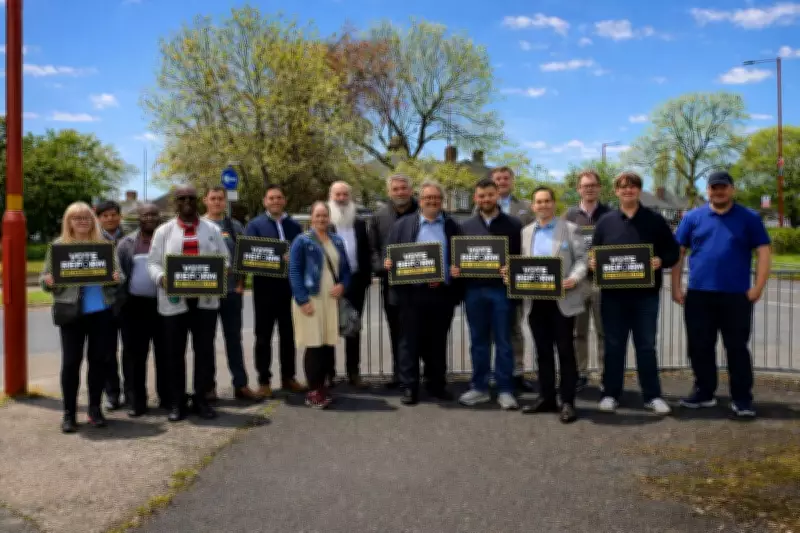
After Tice shared the photograph on Sunday, X users immediately questioned its authenticity, with one commenter describing it as "pure AI slop." The image depicts a diverse group of Reform supporters gathered on a sunny day in Birmingham, holding placards and smiling while apparently engaging in door-knocking activities for the party. Tice presented the photograph as evidence of dedicated grassroots activism, writing: "That is what resilience looks like. This is what belief looks like."
However, upon closer examination, numerous irregularities emerged that suggest the image was either entirely generated or significantly altered using artificial intelligence technology. Digital intelligence company Peryton Intelligence conducted a detailed analysis and concluded the photograph was "almost certainly generated or altered using AI."

Multiple Anomalies Point to Digital Manipulation
The forensic analysis revealed several concerning inconsistencies throughout the photograph. One woman appears to have six fingers on her right hand and unusually elongated fingers on her left hand. Another man in a white jacket doesn't appear to be gripping his sign properly, while all the faces in the image show a distinctive "smear" effect around the mouth area.
Further examination revealed additional problems with the signage. The placards, which should read "Get Starmer Out," instead appear to say "Get Stuppence Out." The Reform arrow within the "O" of the signs displays inconsistent circular shapes, and the road sign in the background features a blank white box beneath it. Experts also noted pixel-perfect vertical lines and peculiarly regular pixel patterns in the concrete pavement, both considered telltale indicators of AI manipulation.
Reform UK's Response and Political Fallout
Reform UK initially disputed claims that either the campaigners or the photograph were fake. A party spokesperson stated: "The photograph is real, however the version Richard Tice posted was slightly edited using AI, mainly to increase the brightness." This admission of AI editing contradicts Tice's original presentation of the image as authentic documentary evidence of grassroots campaigning.
Green Party leader Zack Polanski seized on the controversy, stating: "There's nothing real about the Reform party. Their supposed policies for working people are fake, they spin stories that are fake and now we know even their campaigners are fake."
Tice defended the photograph, claiming it was taken in Erdington, a suburb of Birmingham, and argued it demonstrated a "sea change" in support since 2022 when Reform received only 293 votes in a local byelection. He expressed confidence that the area could elect Reform councillors and potentially even a member of parliament in future elections.
Not the First AI Controversy for Reform UK
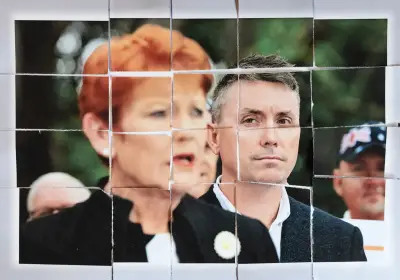
This incident marks the second time Reform politicians have faced scrutiny over artificial intelligence usage. Matt Goodwin, the party's failed candidate in the recent Gorton and Denton byelection, earned the nickname "MattGPT" after being accused of using AI to write his book. The controversy emerged when historical figures were misquoted and some footnote URLs contained references to "chatGPT." Goodwin acknowledged using AI for research purposes but denied the book itself was written using the technology.
The scandal also echoes a similar controversy involving Kate Middleton, the Princess of Wales, who was accused of using AI to edit a Mother's Day photograph in 2024. In that instance, Princess Charlotte's left hand appeared misaligned with her cardigan sleeve, prompting the royal family to issue a "kill notice" requesting media outlets not to use the image.

Broader Implications for Political Campaigning
This incident raises significant questions about authenticity and transparency in modern political campaigning. As artificial intelligence tools become increasingly sophisticated and accessible, political parties face growing challenges in maintaining public trust while utilizing digital technologies. The ease with which images can be manipulated or entirely fabricated presents new ethical dilemmas for campaign communications.
Digital forensics experts emphasize that while AI tools can enhance photographs for legitimate purposes like brightness adjustment, the extensive anomalies found in Tice's image suggest more comprehensive manipulation. The presence of extra fingers, smeared facial features, and inconsistent signage all point toward either AI generation or substantial alteration beyond simple brightness adjustments.
As political campaigns increasingly rely on digital platforms for voter outreach, incidents like this highlight the need for clearer standards and greater transparency regarding the use of artificial intelligence in political communications. The controversy surrounding Tice's photograph serves as a cautionary tale about the potential consequences when digital manipulation undermines public confidence in political messaging.