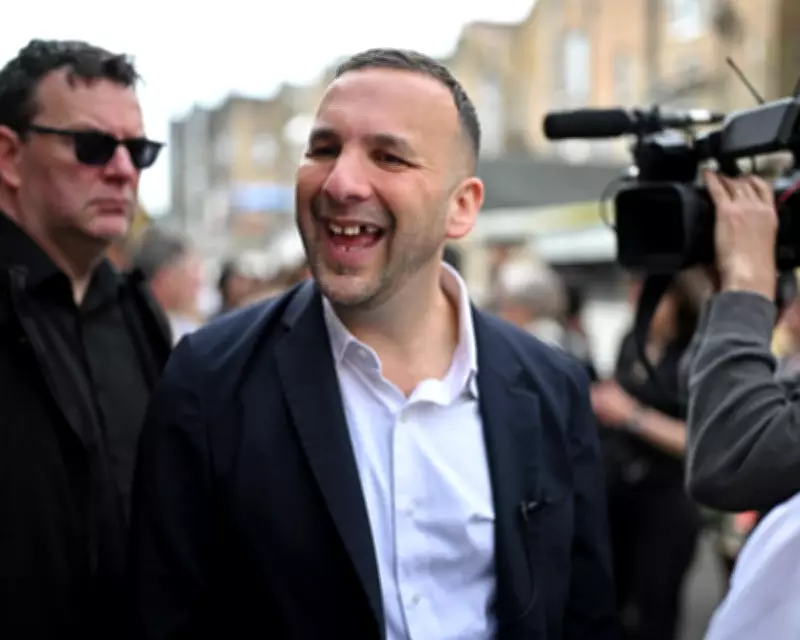
Zack Polanski, the co-leader of the Green Party of England and Wales, has called on politicians to treat antisemitism with “consideration, care and nuance” as he accused Prime Minister Keir Starmer of playing political games with the issue. The remarks come after Starmer criticized Polanski for downplaying recent antisemitic incidents, including arson attacks targeting Jewish communities.
Party Under Scrutiny
Polanski’s party is facing increasing scrutiny over comments made by some candidates and members, particularly regarding Israel and Gaza. Several Green candidates have posted statements that appear to sympathize with the Hamas attack on Israel, question Israel’s right to exist, or raise antisemitic tropes about Jewish influence. Some party officials have expressed concern about the influx of vehemently anti-Israel members, which they say crosses into antisemitism, and the difficulty of managing such issues in a highly decentralized party.
Starmer’s Criticism
Speaking at a synagogue visit, Starmer labeled Polanski “disgraceful” for suggesting a distinction between actual threats to the Jewish community and the “perception of unsafety.” Labour also criticized Polanski for saying he had been wrong to previously criticize Jeremy Corbyn over antisemitism, claiming the issue had been weaponized.

Responding to these attacks during a campaign visit in Glasgow, Polanski stated: “Antisemitism definitely exists, and sometimes people will say things that are antisemitic. But I’ve seen reports of things that are absolutely not antisemitic—they are pro-Palestinian. Those are very different things.” He added that false allegations of antisemitism make him, as a Jewish person, feel less safe, as they blur the line between criticizing the Israeli government and antisemitism.
Internal Party Challenges
Polanski accused Starmer of “playing silly games with a serious issue,” emphasizing that all politicians, especially the prime minister, must treat antisemitism with care and nuance. He noted the irony of a non-Jewish prime minister attacking the only Jewish party leader on this matter.
Regarding his own party, Polanski called for perspective, stating that only a “handful” of accusations exist among 4,500 candidates standing in local elections. However, he acknowledged a worrying rise in antisemitism, Islamophobia, and hate crime generally, urging all public figures to take the issue seriously.
Structural Issues
The Green Party’s highly decentralized structure, where vetting is handled by local parties, has led to inconsistencies. At least one candidate suspended as a general election candidate reappeared on the list for local elections on 7 May. Similarly, a motion proposing “Zionism is racism” was blocked at the March conference but is scheduled for debate in autumn. Polanski called the motion a “distraction” but defended members’ right to vote on policy as an important democratic principle.
One senior Green member, speaking anonymously, said the party’s rapid growth—membership has nearly quadrupled since Polanski became leader—has strained its direct democracy model. “You can’t have direct democracy with 220,000 members,” they said, adding that some new members are single-issue Palestine activists pushing an anti-Israel agenda to the exclusion of other issues.
Reforms Underway
The party says it is strengthening internal procedures, with a particular focus on antisemitism. An official stated: “There are people meeting daily discussing this issue. It is not being ignored. But we have expanded quickly and are fielding a record number of candidates, so we are catching up.”
Polanski’s comments and the internal challenges highlight the Greens’ struggle to balance democratic participation with maintaining party discipline on sensitive issues.