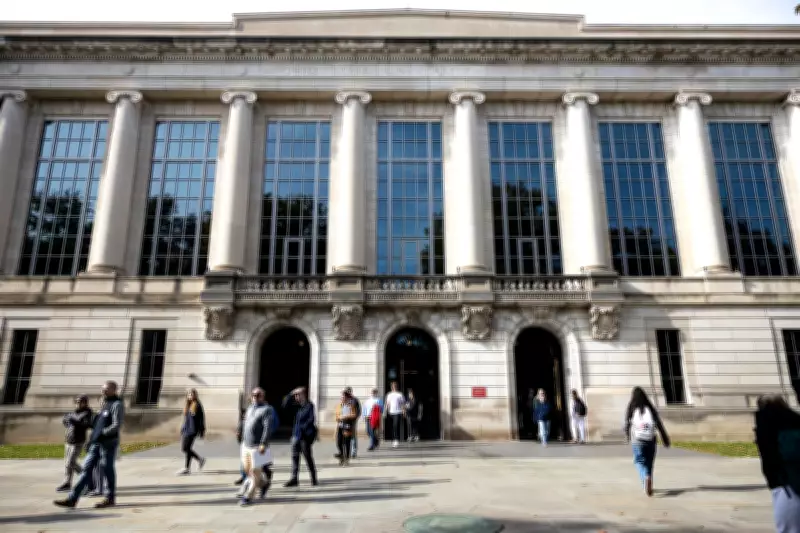
Ohio State University, one of the Midwest's most prestigious institutions, is grappling with multiple scandals amid a broader crisis in higher education. The university faces sexual abuse allegations, questions over donor influence, and mounting financial pressures as regional colleges struggle with declining enrollment and reduced revenue.
Sexual Abuse Scandal
Rocky Ratliff, who transferred to Ohio State in the mid-1990s to study political science and wrestle, recalls being sexually abused by Dr. Richard Strauss, a prominent member of the university's athletic medical staff. Strauss, who is believed to have abused hundreds of student athletes over decades, killed himself in 2005. Ratliff, now a lawyer, says he received inappropriate exams multiple times, including daily genital exams for a high ankle sprain. The university has settled with hundreds of victims for $61 million, and a federal lawsuit added 30 former football players in May 2025, with a trial expected later this year.
President's Resignation and Donor Influence
In March, President Walter 'Ted' Carter Jr. resigned after using public funds to help Krisanthe Vlachos, with whom he had an inappropriate relationship, build her podcasting business. He facilitated $60,000 in state funds and allegedly fabricated a business trip to Florida. The university is now on its fourth president in six years. Additionally, a professor of ethics assaulted a videographer in February while questioning a former president about mega-donor Les Wexner, who has donated about $200 million to the university. Calls to remove Wexner's name from campus buildings have grown, given his association with Jeffrey Epstein.

Financial and Enrollment Challenges
Ohio State contributes $19 billion to the state economy and supports 117,000 jobs, but it faces falling revenue due to fewer students and the Trump administration's clampdown on international students. Only four states have seen a steeper decline in international enrollments than Ohio. The state's birthrate has fallen nearly 16% since 2006, further impacting enrollment. The university denies that recent legislative bans on diversity, equity, and inclusion measures forced program cuts, but critics say academic freedom is under attack.
Professor Joel Wainwright notes the paradox: research funding has surpassed $1 billion annually, yet multiple controversies are converging. He describes the current situation as the most significant attack on academic freedom in at least a century, affecting faculty morale.