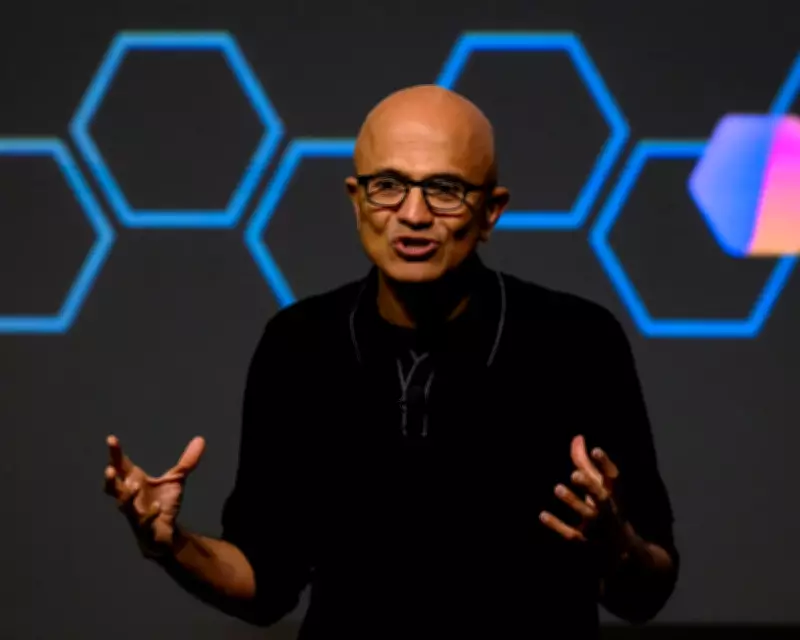
Microsoft and Meta have announced significant workforce reductions as both tech giants ramp up investments in artificial intelligence. Meta plans to cut approximately 10% of its personnel, affecting nearly 8,000 employees, while Microsoft is offering voluntary retirement to about 7% of its American workforce, which totals roughly 125,000.
Meta's Layoff Plan
Meta informed staff on Thursday that it would eliminate around 10% of its workforce on May 20 as part of a cost-efficiency plan developed months ago. The company is also closing about 6,000 open positions. In an internal memo, Chief People Officer Janelle Gale did not directly mention AI but stated that the cuts would "offset the other investments we're making." Meta CEO Mark Zuckerberg, during the fourth-quarter 2025 earnings call, highlighted a "major AI acceleration" with planned capital expenditures between $115 billion and $135 billion—nearly double the previous year's spending. Gale emphasized that affected employees would receive generous severance packages.
Microsoft's Voluntary Buyouts
Microsoft announced on Thursday that it would offer voluntary buyouts to long-term employees, particularly those whose age plus years of service total 70 or more. According to the Financial Times, over 8,000 employees qualify for this program. Microsoft did not immediately respond to a request for comment. In July 2025, the company forecast spending about $100 billion on AI infrastructure in the coming fiscal year, with analysts now estimating that figure at $110 billion to $120 billion.

AI's Role in Productivity
Microsoft CEO Satya Nadella has touted internal AI adoption, claiming it has led to major productivity gains. In April 2025, he stated that AI handled up to 30% of the company's coding work. "We are only at the beginning phases of AI diffusion, and already Microsoft has built an AI business that is larger than some of our biggest franchises," he said in a January press release. Mustafa Suleyman, Microsoft's AI chief, predicted in February that AI would replace most white-collar work within 12 to 18 months.
Zuckerberg has also expressed confidence in AI's potential to reduce hiring needs. "We're starting to see projects that used to require big teams now be accomplished by a single very talented person," he said during the January earnings call. Speaking alongside Nadella, Zuckerberg estimated that within the next year, AI could handle half of Meta's development work.
Broader Industry Trends
The job cuts at Microsoft and Meta reflect a broader trend among tech companies betting heavily on AI. The Block CEO Jack Dorsey cut nearly half of the company's workforce in early March, citing AI gains. Amazon, which announced plans to spend $200 billion in one year in February, has laid off at least 30,000 workers in the past six months. Oracle, grappling with debt from its multibillion-dollar datacenter investments, told employees last month it would cut thousands of jobs.
These announcements come amid growing concerns among tech workers that employers will replace them with AI. Those fears are fueled by reports that employees themselves are being used to train AI models. Reuters recently uncovered an internal memo at Meta showing the company is installing software on American employees' computers to record mouse movements, clicks, and keystrokes for AI training data.