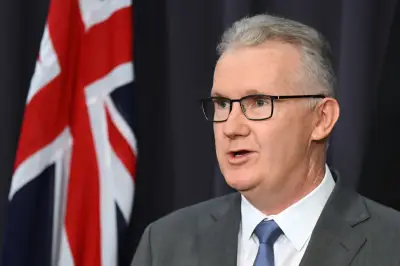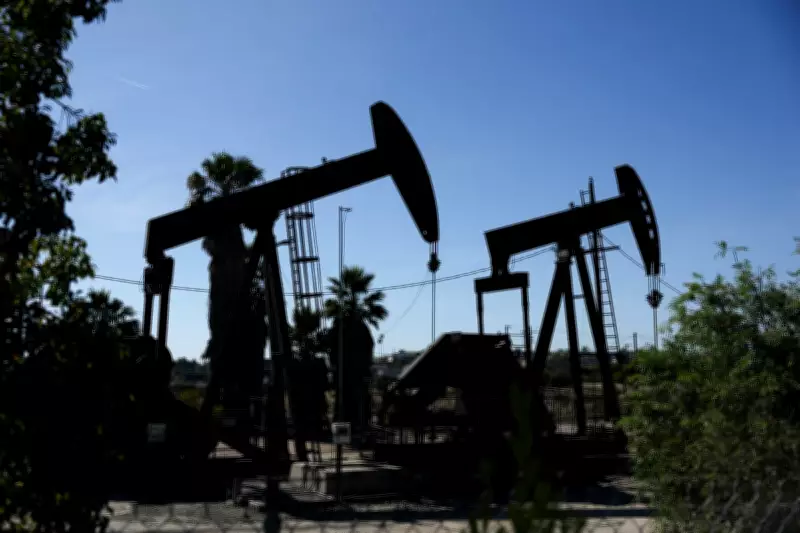
Republican lawmakers are attempting to shield big oil from having to pay for its contributions to the climate crisis, alarming environmental advocates. New House and Senate bills, led by Harriet Hageman, a Wyoming representative, and Ted Cruz, a Texas senator, respectively, would give oil and gas companies broad legal immunity from policies and lawsuits aimed at holding the industry accountable for damages caused by its emissions.
Proposed Legislation
Dubbed the Stop Climate Shakedowns Act of 2026, the proposal would protect the sector from liability. It is similar to a 2005 law that has largely blocked lawsuits against the firearms industry over gun violence. The Republicans’ proposal is designed to stop a surge of climate accountability measures launched by states and municipalities – which Hageman’s office called “leftist legal crusades punishing lawful activity”, in a statement.
Background
In recent years, more than 70 state and local governments have sued oil companies for allegedly deceiving the public about the dangers of their products. Meanwhile, New York and Vermont have also passed climate “superfund” laws requiring major polluters to pay for damages from past emissions, with other states considering similar policies. If passed, the new federal legislation would dismiss pending climate accountability lawsuits, void all climate superfund laws and block similar future efforts.

Expert Reactions
The proposals attempt to undermine the very foundations of climate accountability measures, said Delta Merner, lead scientist at the science hub for climate litigation at the Union of Concerned Scientists. Hageman’s bill would “affirm” that the federal government had exclusive authority over greenhouse gas regulation, but legal experts dispute that, Merner noted. “To try to legislate that science away is something that’s really alarming,” she said, referring to Cruz’s bill that discredits climate attribution studies.
Industry Support
This year, the top US oil lobby group, the American Petroleum Institute (API), said blocking “abusive” climate lawsuits was a top priority. Months earlier, 16 Republican state attorneys general asked the justice department for a “liability shield” for oil companies. Industry groups have praised the federal proposal. In a joint statement, Mike Sommers, the API CEO, and Chet Thompson, the CEO of American Fuel and Petrochemical Manufacturers, thanked Hageman and Cruz, saying: “Congress should act decisively to reaffirm federal authority over national energy policy and end this activist-driven state overreach.”
State-Level Actions
The bills’ introduction came as red states are also proposing to block climate lawsuits and superfund acts. Last week, Tennessee passed a measure blocking big oil accountability efforts, and Utah greenlit a similar law earlier this month. Cassidy DiPaola of Make Polluters Pay said: “It’s honestly shocking how direct the federal lawmakers are being with their wording. They’re saying it out front: ‘You can’t hold us accountable.’”
Legal Challenges
The industry has seen mixed results in court. Some climate litigation has been thrown out, but last week, a federal judge dismissed a lawsuit from the Trump administration that aimed to pre-emptively block Hawaii from suing big oil. “The industry knows it’s vulnerable,” said Merner. “They are not totally confident they can win cases on their merits.”
Political Implications
Former Washington governor Jay Inslee said: “Every elected official who cares about the interests of their constituents more than those of corporate polluters should oppose this disgraceful proposal.” It’s not clear whether Republicans could muster the votes to pass the legislation as written, but the bills could help lay the groundwork for a similar measure to be slipped into larger must-pass legislation or via reconciliation. Richard Wiles, president of the Center for Climate Integrity, said: “If there was any doubt that they would try to do something this outrageous and this damaging to the justice system, there’s no doubt any more.”