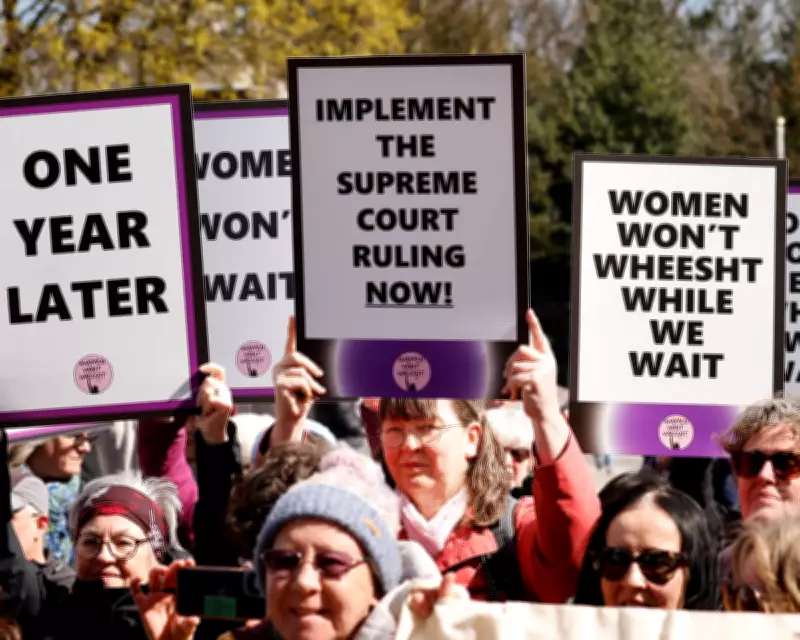
The Equality and Human Rights Commission (EHRC) has updated its code of practice, confirming that single-sex toilets and changing rooms in England, Wales, and Scotland must exclude transgender people. The long-awaited guidance follows the Supreme Court's landmark ruling in April 2025 that sex in the Equality Act refers only to biological sex.
Key Provisions of the Updated Code
The EHRC document sets out how public bodies, businesses, and service providers should implement the ruling. It mandates that single-sex facilities must be based on biological sex, but also requires providers to offer practical alternatives, such as gender-neutral toilets, for those who do not wish to use facilities for their biological sex.
Impact on Healthcare
In healthcare settings, trans patients must be accommodated on single-sex wards according to their biological sex if mixed-sex accommodation is unavailable. However, the code states it would not be proportionate to exclude a trans man from obstetrics and gynaecology outpatient services based on objections from female patients.

Reactions from Campaign Groups
The guidance has been welcomed by gender-critical campaigners, with For Women Scotland co-founder Susan Smith calling it "a significant milestone in ensuring women's rights are upheld." She added that there is now no reason for public bodies to evade their responsibilities.
Conversely, the Trans+ Solidarity Alliance director Alexandra Parmar-Yee criticized the guidance, describing it as "a section 28 moment for this Labour government" and warning that it risks pushing trans people further out of public life.
Practical Implications for Businesses
Businesses have raised concerns about the feasibility of the changes, particularly in hospitality venues with varying sizes and layouts. The code suggests that service providers can create individual lockable toilet rooms as an alternative, but the cost—estimated at over £300 million in the first year alone—must be borne by businesses.
The updated code remains in draft form and has been laid before Parliament. MPs have 40 days to consider it before the equalities minister issues a final order, after which it will come into force across England, Scotland, and Wales.