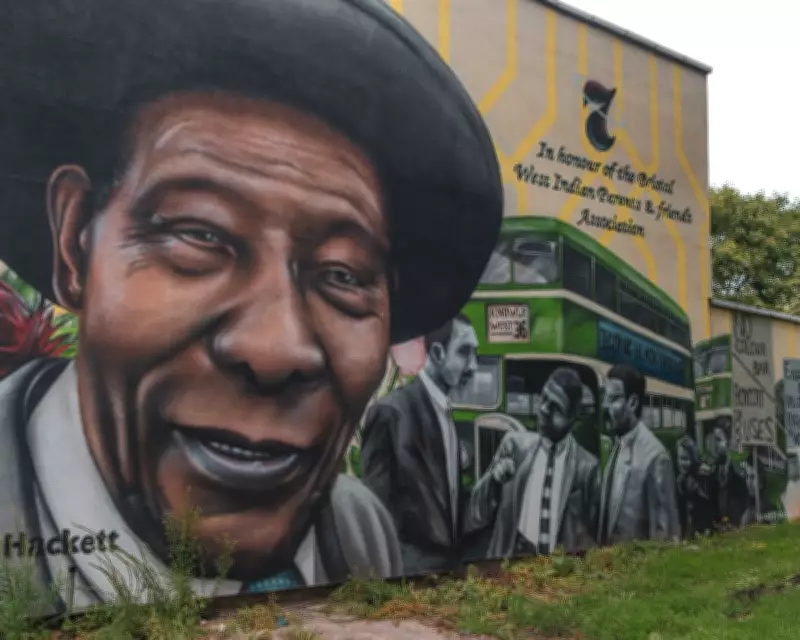
Bristol has launched a summer of activist events aimed at establishing the city as the UK's civil rights capital. The campaign was announced on the anniversary of the 1963 Bristol bus boycott, a pivotal moment in the country's civil rights history.
Historical Context of Activism
Bristol has a long tradition of activism, from followers of John Wesley in the 18th century to the toppling of the statue of slave trader Edward Colston in 2020. The 1963 bus boycott overturned the Bristol Omnibus Company's ban on hiring black and Asian workers and led to the UK's first Race Relations Act in 1965.
The New Campaign
The campaign is led by CuriosityUnLtd, a think-and-do tank, which will organize a series of events across spring and summer. These include talks, public conversations, film screenings, exhibitions, public art, and performances. The goal is to focus attention on Bristol's activist past and make the case for the city to claim the title of civil rights capital.

Julz Davis, one of the lead organizers, said: "Bristol has never waited for permission to lead. This city has shown the country what change looks like. Activism has always been the lifeblood of systemic change here."
Events and Activities
On Friday, Davis and other activists will join a union march to remember the boycott and promote the civil rights capital movement. Next month, artist Ella-Mia Grant will create a civil rights-themed mural as part of the Upfest street art festival, inviting public contributions. In June, events will surround the performance of the award-winning musical Jamaica Love at the Bristol Beacon concert hall.
Future Plans
By the end of summer, a civil rights manifesto is expected to take shape, helping Bristol stake its claim to the title and serving as a model for other cities. Davis highlighted Bristol's legacy: "You can go back to the suffragettes, to the abolitionists, to the bus boycott, the St Pauls uprising, the toppling of Colston, the art of Banksy. There are lots of ways in which Bristol has led the way."
The campaign builds on a summit held last year with academics, business leaders, and politicians, including Marvin Rees, the first directly elected mayor of black African heritage in a major European city.