Record-breaking heat across western Europe this summer has made travel uncomfortable for hundreds of millions of tourists, potentially ending the romanticized 'Euro summer' trend popularized on Instagram, according to Brigid Delaney in a recent opinion piece.
Extreme heat disrupts travel and daily life
Starting in late May, extreme heat broke temperature records across western Europe, turning the traditional summer travel experience into an endurance test. Delaney notes that staying in ancient, uncooled buildings in Old Towns has become like "trying to sleep in a wood-fired pizza oven," and spending days in air-conditioned shopping centers is now a necessity to avoid heatstroke when visiting cathedrals or historic sites.
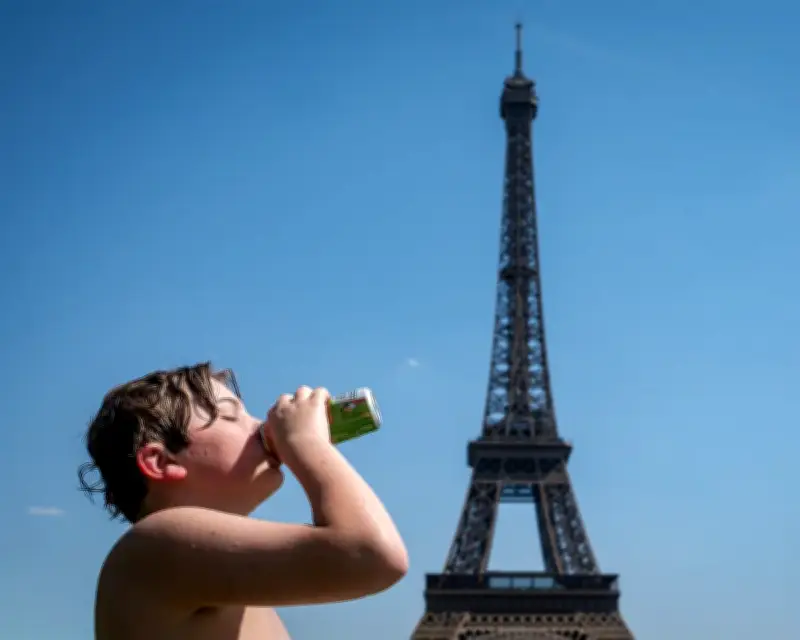
Major monuments and attractions have been forced to close or restrict access due to dangerous conditions. In June, Notre-Dame Cathedral limited access to its towers, while the Eiffel Tower, normally open late, announced a 4pm closure, as did the Louvre. Cities sweltered, with the smell of decomposing rubbish, sweat, and hot bodies reminiscent of the middle ages. People, driven mad by trapped heat in their apartments, threw themselves into canals at 2am to cool down.
Infrastructure failures and health impacts
The heat also caused critical infrastructure failures across Europe. Overheated signal systems, melting asphalt affecting tram tracks, and buckling train rails were reported. In Rome's Piazza Risorgimento, newly planted trees meant to provide shade near St Peter's Basilica were burnt to a crisp, and benches with dark plastic and wood became searingly hot and unusable, according to CNN.
The extreme weather also created physical disorientation. Delaney explains that with heatstroke, the body's ability to sweat fails, leaving skin parched and dry, and while the body craves fluid, confusion can lead to forgetting to drink. At least 35,000 more people died than expected in Europe this summer due to back-to-back heatwaves, with heatstroke as a culprit.
Preparing for a hotter future
Delaney argues that now is the time to prepare for next year, which could be even hotter. Drawing on Australia's experience with long, uncomfortable summers, she suggests several adaptation measures: developing public education campaigns about the sun's power, erecting shade cloths in schools and public places, including sunhats in school uniforms, rethinking work-from-home rules for those without air conditioning, and splitting the working day to avoid the hottest hours.
She also recommends major investments in urban design that account for extreme temperatures, as large stone plazas absorb and radiate heat ferociously. Installing air conditioning or cooling measures on public transport and in public buildings, planting more trees, and adding water fountains across public spaces are also suggested. Labour laws should protect outdoor workers in extreme conditions, and a heat-warning system with legal obligations, such as cancelling school and outdoor events, should be introduced. Making it socially acceptable to wear shorts to the office is another simple change.
Delaney concludes that Australians could skip the annual Euro summer pilgrimage and enjoy the chill in the air at home, highlighting a shift in travel aspirations as the climate crisis intensifies.