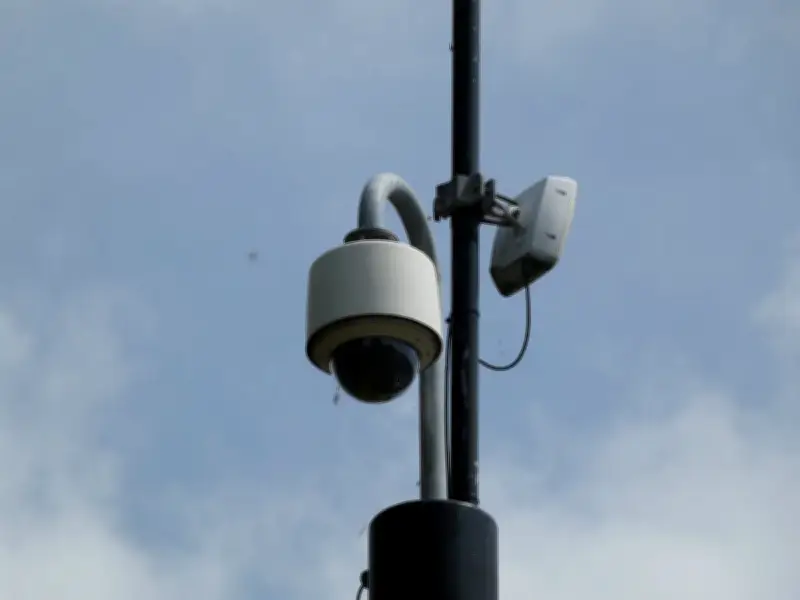
British Transport Police (BTP) is set to deploy live facial recognition (LFR) cameras across London Underground stations starting Tuesday, with the first installation at Victoria station. The technology will scan faces in real time to identify individuals on a police watchlist, focusing on "high harm" offenders, including those wanted for sexual offences, robbery, and knife crime.
How the technology works
Transport for London (TfL) confirmed that the system operates by capturing live images and comparing them against a watchlist. Images of individuals who do not match the list are "automatically and immediately deleted," according to TfL. The trial will be conducted in clearly signposted areas, allowing passengers to make "informed choices about passing through," with "alternative routes available," as stated by BTP.
The deployment locations were selected based on intelligence and crime data analysis to maximize impact. This initiative marks a significant expansion of LFR technology, which was rolled out to all police forces in England and Wales in January, despite criticism from human rights organizations regarding civil liberties.
Official statements on the trial
Siwan Hayward, TfL's director of security, policing, and enforcement, emphasized the importance of the trial: "Everyone should be able to travel without fear of harassment, intimidation or violence. Tackling violence against women and girls and preventing sexual offending on our network remains a key priority. Live facial recognition has the potential to be a powerful additional tool in helping police quickly identify those wanted for high-harm offences, including sexual offences, and supports early intervention and helps stop incidents before they happen."
Hayward described the trial as "an important step" in understanding how the technology can be used on the London Underground "in a targeted, proportionate way with strict safeguards in place." Chief Superintendent Chris Casey, BTP's senior officer for the project, added: "This marks an important new stage in our trial of LFR technology. Expanding deployments into London Underground stations will help us assess the technology in a different transport environment while continuing to refine how it is used across the railway network. Our deployments are intelligence-led and focused on identifying people wanted by the police or courts, including those suspected of serious offences and those who may be breaching bail conditions or court orders."
Background and previous use
The Metropolitan Police first trialled LFR at the Notting Hill Carnival in August 2016 and officially deployed the technology in 2020. The BTP's trial on the Tube is part of a broader effort to test the technology across various transport settings. The move comes amid ongoing debates about the balance between public safety and privacy, with critics arguing that such surveillance could infringe on individual rights.
As the trial begins, passengers at Victoria station will encounter clear signage indicating the presence of LFR cameras. TfL and BTP have assured the public that the system is designed with strict safeguards, including immediate deletion of non-matching images and alternative routes for those who wish to avoid the monitored areas.