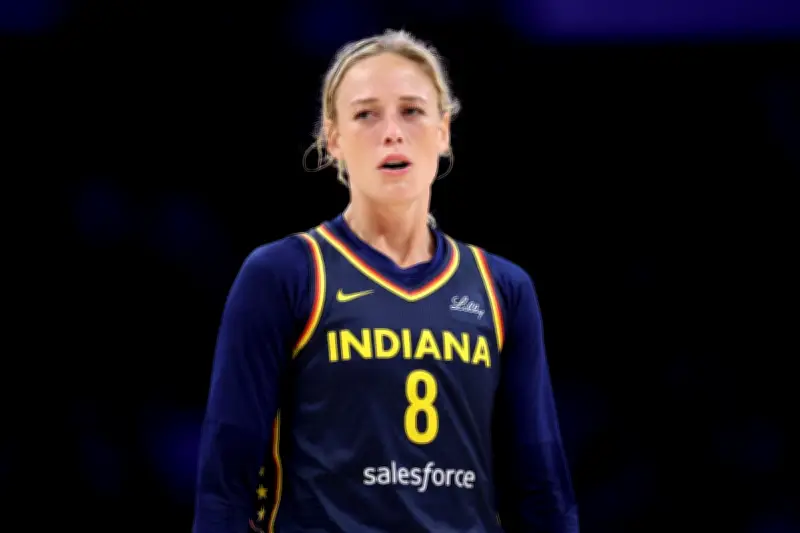
Sophie Cunningham, an eight-year WNBA veteran now with the Indiana Fever, has transformed from a relatively obscure player into a prominent figure in the right-wing culture war, leveraging anti-transgender and anti-Black rhetoric to boost her profile and earnings. In a July 21 ESPN profile, Cunningham openly stated her opposition to transgender athletes, earning praise from conservative circles while drawing criticism from those who see her as exploiting divisive politics for personal gain.
From Obscurity to Spotlight
Cunningham, who entered the league in 2019, was largely anonymous until a viral finger-pointing incident made her a symbol of white animosity toward the WNBA's progressive culture. Unlike Caitlin Clark, who has remained politically ambiguous, Cunningham has embraced her role as a culture war ambassador, speaking out on issues that resonate with conservative audiences. Her comments have made her a hero to the 'Protect Our Girls' movement, despite the lack of evidence showing widespread transgender participation in sports.
Her newfound fame is not without controversy. Cunningham has been criticized for profiting from cultural fractures that are tearing the league apart. ESPN's profile waited nearly 75 paragraphs before addressing the core issue: Cunningham is benefiting from divisions that may be good for her career but harmful to the league's unity.
Race and Double Standards
The contrast in public reaction to similar incidents highlights racial double standards. In 2023, Cunningham intentionally pulled an opponent down by the neck and was hailed as a protector, while Alyssa Thomas, who is Black, was excoriated for an accidental foul on Clark a year later. Cunningham received a flood of endorsements, while Thomas faced death threats. Cunningham declined to discuss the role race played in her rise, as did several current players.
Politics of Reinforcement
Cunningham represents not the politics of change but the politics of reinforcement. The WNBA is not fighting a culture war but a civil one, navigating the arrival of male fans, bro culture, and a hetero lens that objectifies women. Cunningham's whiteness and straightness sell, especially in a time of nationwide anti-Blackness and homophobia. She doesn't fight this; she bathes in it.
ESPN, as the WNBA's rightsholder, has not analyzed the powerful levers instigating these tremors, including congressional threats to investigate Clark's treatment. Instead, it has buried Cunningham's unwillingness to discuss her role as an avatar and blamed the league for mishandling anti-transgender protests, all without acknowledging coordinated political forces targeting the league.
Personal Gain Over Cause
In an attention economy, Cunningham uses attention not to further a cause but to further herself. She has been likened to Dennis Rodman for drawing attention, but unlike Rodman, she is only moderately impactful as a player. She understands the source of her attention—the white male sports economy—and leverages it for broadcast opportunities, paid appearances, and a UFC ring girl brand. She's setting up her second act, and if she plays her 15 minutes right, they could last 30 years.
Historical Playbook
This is an old playbook. Just as the Black body has been valued over the Black brain, women are often valued for their sex appeal. Tennis star Anna Kournikova never won a WTA tournament but was famous for her looks. In the 1970s, the LPGA used Jan Stephenson's blonde looks to boost popularity, including a braless cover on Sport Magazine. Cunningham is following this tradition, reminding that long legs and pandering to the boys can build bank accounts.
At 29, Cunningham has been in the league for eight years, a serviceable three-point shooter who needed the culture war to get noticed. A silly finger-point and opposition to someone Black were enough to win over aggrieved whites. Adding transphobia to her portfolio has made her a star, participating in an old game that is no more complicated than checkers but far less interesting.