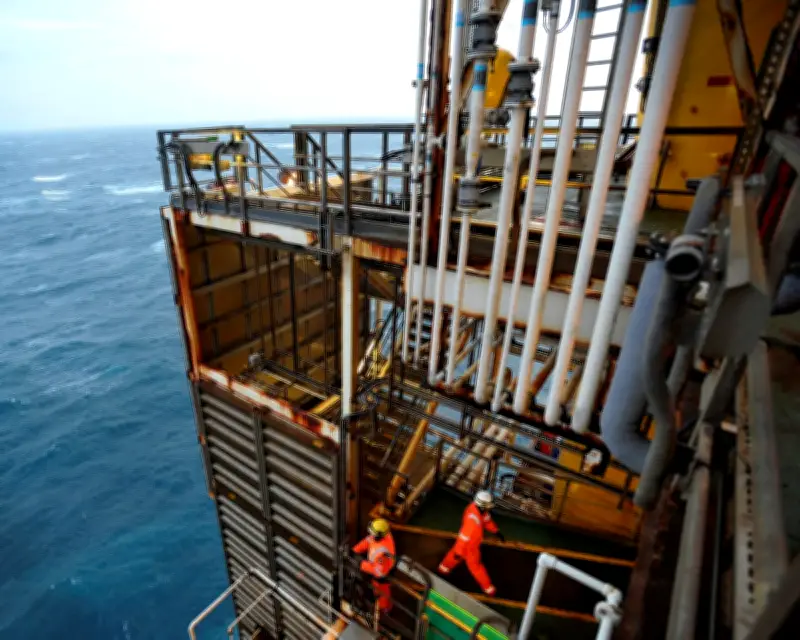
BP has placed its 60-year-old North Sea oil and gas business on the market, alongside its US biogas subsidiary Archaea, in a decisive portfolio overhaul led by chief executive Meg O’Neill. The moves underscore a strategic shift away from sentiment and history, focusing instead on capital efficiency and debt reduction, even as the company reports a surge in quarterly profits.
North Sea Exit and Biogas Divestment
The North Sea assets, located about 100 miles east of Aberdeen, were put up for sale last week, with O’Neill explaining that the basin “just doesn’t compete” for internal capital. Archaea, acquired for $4bn in 2022 under former CEO Bernard Looney, is now deemed surplus to requirements due to its capital-intensive nature, less than four years after being hailed as a “fantastic fast-growing business” that would support net zero ambitions.
These divestments are part of a broader cleanup of BP’s portfolio, which also includes the impending sale of solar unit Lightsource, the disposal of a major refinery in Gelsenkirchen, Germany, and Austrian fuel stations. The sale of lubricants business Castrol was already underway before O’Neill’s arrival.
Financial Performance and Debt Reduction
BP’s profits more than doubled to $5.73bn in the three months to the end of June, driven by higher oil and gas prices amid the Iran war. The company sold oil at an average of $94 a barrel in the second quarter, up from $67 in the first, with refining margins also contributing significantly to the windfall.
By the end of the year, BP expects to have reduced net debt below $18bn, a full 12 months ahead of schedule. This accelerated deleveraging has been massively assisted by the boom in profits, but O’Neill remains focused on maintaining discipline.
Advice to Government on North Sea
O’Neill has been clear in her advice to the new prime minister, Andy Burnham, on the future of the North Sea. “The message I left him with was: the UK gets 75% of its energy from fossil fuels today, so that’s oil and natural gas,” she said. “The first barrel of oil we consume and molecule of natural gas we need should be coming from the UK North Sea, where we generate jobs, we generate tax revenue, we generate all those additional positive impacts.”
She emphasized the importance of domestic production to minimize imports, particularly of liquefied natural gas with higher associated emissions. The UK’s net import dependency stood at 43.5% in 2025, highlighting the strategic value of local sources.
Implications for Energy Policy
While O’Neill has not indicated any reversal of BP’s exit from the North Sea, her comments imply that boosting domestic supplies will require more than just approving new fields like Jackdaw and Rosebank. A rethink of the energy profits levy, the windfall tax introduced in 2022, may be necessary to incentivize investment.
Politically, lowering windfall tax rates during a period of high corporate profits is challenging. Burnham has said he is “looking at” the levy, making it a key decision for the October budget. The balance between supporting domestic energy and addressing public concerns over windfall profits remains a delicate one.