UN Experts Issue Stark Warning Over UK-France Asylum Agreement
A coalition of nine United Nations human rights experts has delivered a forceful condemnation of the controversial asylum arrangement between the United Kingdom and France, formally urging both governments to terminate the scheme immediately. The experts have raised profound concerns that the policy, often described as a "one in, one out" system, could lead to serious and systematic violations of established international human rights law.
Detailed Letter Outlines Grave Concerns and Case Studies
The UN specialists, which include seven special rapporteurs, dispatched a comprehensive twenty-page letter to Downing Street and the French government in Paris on the 8th of December 2025. This detailed communication meticulously outlines the potential legal breaches identified within the framework of the bilateral agreement. The experts provided the UK and French administrations with a sixty-day window to formulate a formal response, subsequently making their letter public this Friday.
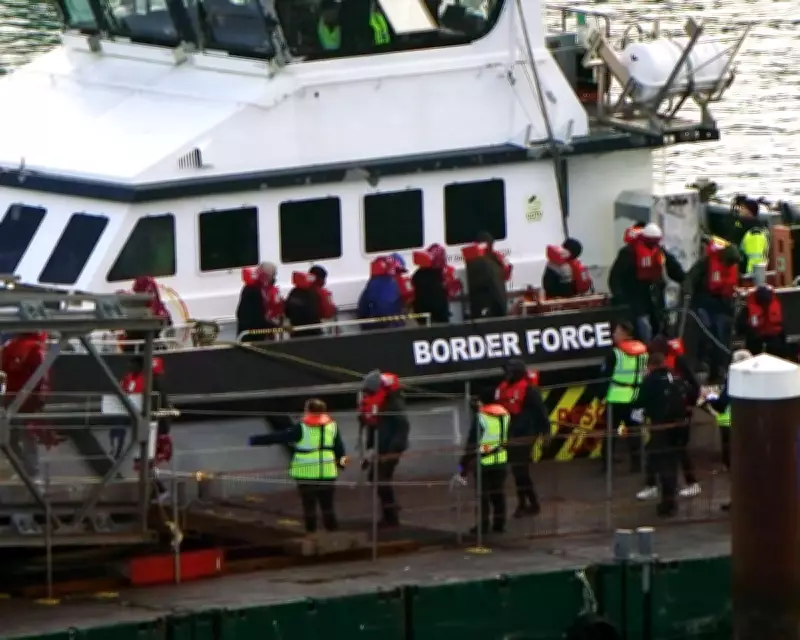
The published document contains harrowing, detailed case studies documenting the treatment of individuals detained under the scheme in preparation for their forced removal to France. These individuals include asylum seekers originating from conflict zones and repressive regimes such as Sudan, Gaza, Eritrea, Yemen, and Iran. Notably, many of those identified are survivors of severe trauma, including torture and human trafficking.
Allegations of Inhumane Treatment and Procedural Failures
The UN letter asserts that the detention of survivors of torture as part of this process may, in itself, constitute cruel, inhuman, and degrading treatment, which is prohibited under international law. The experts expressed being "deeply concerned" that the bilateral agreement may result in serious violations, particularly affecting children and individuals in vulnerable situations.
Specific allegations documented include an account of an Eritrean man who was reportedly not permitted to wear shoes during his removal, had a hood placed over his head, and was forced to the ground with guards' boots on his neck. In another case, a woman from Yemen, who stated she had been enslaved since the age of three, was told by the Home Office that her account lacked credibility because she did not immediately disclose her trafficking history upon arrival in the UK.
Echoing Concerns from Affected Asylum Seekers
The concerns articulated by the UN panel resonate strongly with those previously raised by asylum seekers directly impacted by the policy. Previous reports have revealed instances where individuals returned to France felt compelled to re-enter the UK due to fears of smugglers. Detainees have also issued reports about their treatment and staged peaceful protests, which were met with responses from Home Office contractors involving riot shields, teargas, and dogs.
The UN experts pose a series of critical questions to both governments regarding the scheme's opaque operational criteria. They highlight the apparently arbitrary nature of selecting which small boat arrivals are detained and forcibly returned to France, as opposed to those permitted to have their asylum claims processed within the UK. The letter also seeks clarification on protections against onward refoulement—the return of individuals to countries where they may face persecution—once people are sent back to France.
Calls for Immediate Action and Scrapping the Scheme
The letter concludes with a direct appeal: "We therefore respectfully call [the UK] government to end this agreement with France and ensure that migration governance measures respect, protect and fulfil human rights and not create new situations of vulnerability or exacerbate existing ones."
This call has been strongly endorsed by refugee rights advocates. Bella Mosselmans, Director of the Global Strategic Litigation Council for refugee rights, stated that the UN has echoed the lived experiences of those affected with a "clear and urgent alarm." She emphasised that the experts have documented credible cases showing the agreement exposes people to serious violations, including threats to life, torture, ill-treatment, and denial of due process. Mosselmans also highlighted awareness of "dozens of children" caught up in the scheme despite explicit exclusions, many of whom are trafficking survivors.
The Home Office, the French interior ministry, and the UN Refugee Agency have been approached for comment on these serious allegations. The publication of this letter intensifies the scrutiny on an asylum policy that has been a cornerstone of the post-2024 election landscape, amidst reports of nearly 60,000 people having been deported from the UK or left voluntarily since that time.