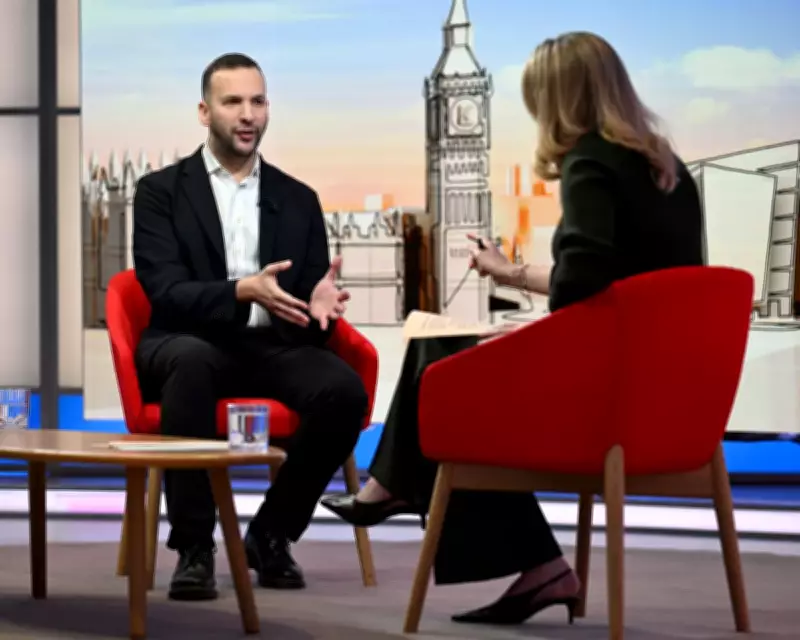
The leader of the Green party, Zack Polanski, has publicly criticised what he describes as a "hypocritical approach" taken by politicians who admit to past drug use while simultaneously advocating for the incarceration of drug users. Speaking on the BBC's Sunday with Laura Kuenssberg programme, Polanski outlined his party's radical stance on drug reform, calling for full legalisation and regulation.
Personal Abstinence Versus Political Principle
In a revealing personal admission, Polanski disclosed that he has never consumed drugs or even alcohol in his life. "I've actually never taken a drug in my life, or even drunk alcohol, but I still don't sit here as the fun police," he told Kuenssberg. He emphasised that his personal choices do not dictate his political philosophy, stating clearly: "I very clearly believe people should be able to do what they want to do. It just wasn't for me."
Condemning Political Double Standards
Polanski took aim at the perceived hypocrisy within mainstream politics. He argued that ministers from both the Labour and Conservative parties have openly admitted to drug use on record, yet support policies that imprison others for similar actions. He highlighted the racial disparities in drug law enforcement, noting that "innocent young black people are far more likely to be stopped and searched for drugs than their white peers."

He also responded to recent comments from Labour leader Keir Starmer, who during Prime Minister's Questions last Wednesday accused the Greens of being "high on drugs, soft on Putin." Polanski, who serves as a London Assembly member, labelled Starmer's remarks as "pretty disgraceful" and described jokes about Putin and Russia as "pretty vile," especially as he was not present in the Commons to defend his party.
A Call for Evidence-Based Public Health Strategy
The Green leader's core argument centres on replacing punitive measures with a comprehensive public health framework. "It's about legalising and regulating," Polanski asserted. "If someone has a problematic relationship to drugs, then surely the answer is to make sure they're seen by a medical professional who can help them."
Addressing Concerns Over Dangerous Drugs
When questioned by Kuenssberg on whether legalising Class A drugs like heroin and cocaine might signal approval to young people, Polanski initially redirected the conversation to alcohol, which he described as "one of the most dangerous drugs." Upon being pressed, he argued that the current prohibitionist model is itself the greater danger.
"I think the danger is happening right now, which is where we're pushing it into street corners and into a black market," he explained. "The war on drugs is not working. In fact, it's making drugs more dangerous. What we need is a grownup conversation, based on evidence, taking a public health approach that looks at prevention, intervention and makes sure that afterwards, people can get the support they need."
Personal Motivations and a Surprising Revelation
Polanski clarified that his teetotal lifestyle is not a matter of principle but a personal choice rooted in his school years. "I just grew up in school where a lot of my friends were drinking and, in fact, taking drugs. And often it felt like someone needed to be sober," he revealed.
He also shared a lighter personal anecdote, telling Kuenssberg that a surprising fact about himself is his past as a breakdancer. "I've always liked dancing without taking drink or drugs," he added. "If anyone wants to do it and they're doing it safely, I'm really glad people are having a good time, but we know lots of people aren't taking it safely, so let's make sure they get the support they need."
Polanski's appearance marks a significant intervention in the UK's ongoing debate over drug policy, positioning the Green party as advocating for a fundamental shift from criminal justice to health-led solutions.