Labour Leadership Crisis Deepens as Rayner Considers Challenge
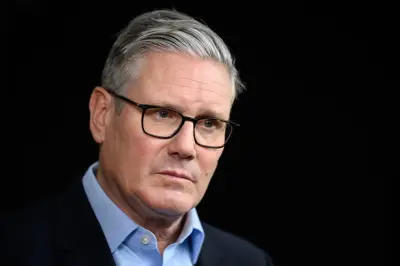
As Prime Minister Sir Keir Starmer faces mounting pressure over his controversial appointment of Peter Mandelson as US ambassador, political circles are buzzing with speculation that former deputy leader Angela Rayner is preparing to mount a leadership challenge. The political landscape within the Labour Party appears increasingly unstable, with Starmer's leadership described as balancing on a knife-edge following revelations about Mandelson's continued relationship with convicted sex offender Jeffrey Epstein.
Rayner's Political Comeback After Tax Scandal
Angela Rayner has maintained a low profile since her resignation as deputy prime minister last September, following the stamp duty controversy surrounding her £800,000 seaside flat in Hove. The Ashton-under-Lyne MP admitted underpaying stamp duty after receiving what she described as 'incorrect' legal advice, though her lawyers subsequently denied this claim. The ethical watchdog concluded she breached the ministerial code, leading to her departure from government.
Since the scandal, Rayner has focused on family matters, even skipping Labour's conference in Liverpool. However, political observers now suggest she is positioning herself for a return to frontline politics, with Starmer's leadership appearing increasingly vulnerable. While Rayner's team has officially denied claims she is 'ready' to launch a leadership campaign, stating 'We don't recognise these claims,' Westminster insiders continue to speculate about her intentions.

Starmer's Mandelson Appointment Sparks Backlash
The Prime Minister revealed on Wednesday that he was aware Mandelson's relationship with Epstein continued after the financier's conviction for child sex offences when making the appointment last year. This admission has triggered significant backlash from within Labour ranks and beyond, creating what many describe as an existential threat to Starmer's leadership.
Health Secretary Wes Streeting is also being mentioned as a potential contender should a leadership contest emerge. The situation represents a remarkable turnaround for Starmer, who led Labour to a landslide election victory in 2024 but now faces one of the most serious challenges to his authority since taking office.
Rayner's Remarkable Political Journey
Angela Rayner's political story represents one of the most remarkable journeys in contemporary British politics. Born and raised in extreme deprivation on a Stockport council estate, she left school at sixteen while pregnant, without formal qualifications. After caring for her mother, who had bipolar disorder and developmental disabilities, Rayner trained in social care and worked as a social worker before becoming a union representative for Unison.
Her rise through trade union ranks led to her election as MP for Ashton-under-Lyne in 2015, becoming the constituency's first woman MP in its century-long history. Under Jeremy Corbyn's leadership, she served as shadow pensions minister and shadow education secretary before being elected Labour deputy leader in March 2020. Following Labour's 2024 election victory, she assumed roles as deputy prime minister and levelling up secretary before her resignation last year.
Personal Challenges and Political Resilience
Rayner's personal life has been marked by significant challenges that have shaped her political perspective. She became a grandmother at thirty-seven when her eldest son Ryan had a daughter, earning her the affectionate nickname 'Grangela' among colleagues. Her son Charlie was born prematurely at twenty-three weeks, weighing just 465g, and is epileptic and registered blind.
Rayner has spoken openly about the struggles facing parents of disabled children, telling Vogue magazine she understands what it means to 'fight the system constantly.' These personal experiences have informed her political approach and contributed to her reputation as a politician who understands the realities facing ordinary families.

The Stamp Duty Controversy Explained
The controversy that led to Rayner's resignation centred on her £800,000 flat in Hove, which she claimed as her primary residence despite owning a family home in Ashton-under-Lyne. She moved her share of the Ashton property into a trust to provide for her children's long-term security, particularly for her disabled son Charlie.
Rayner stated she was advised this arrangement meant the Ashton home was no longer considered her main residence, allowing her to designate the Hove flat as her only dwelling and pay lower stamp duty rates. Reports suggested she might have saved up to £40,000, though the property would have been liable for higher second-home rates. The ethics watchdog found she breached the ministerial code by failing to pay the correct amount, though acknowledged she 'acted with integrity.'
Political Fallout and Future Prospects
Rayner's resignation prompted mixed reactions across the political spectrum. Conservative politicians including Kemi Badenoch criticised Starmer for not dismissing her sooner, while Reform UK chairman David Bull declared 'the government is falling apart.' Liberal Democrat leader Sir Ed Davey acknowledged sympathy for Rayner as a parent of a disabled child but emphasised that 'you still have to follow the rules.'
Within Labour, colleagues expressed sympathy given the personal nature of the issues involved, particularly concerning her disabled son. However, the episode has undoubtedly weakened Starmer's position at a time when he faces multiple challenges, creating conditions that could facilitate Rayner's political comeback.
As Westminster speculation intensifies, the coming weeks will reveal whether Angela Rayner will indeed challenge Keir Starmer's leadership, potentially triggering the most significant internal Labour contest since the party returned to government. The situation underscores the volatile nature of British politics and the rapid pace at which political fortunes can change.