
The final remaining nuclear arms control agreement between the United States and Russia is set to expire this week, potentially unleashing an unrestricted nuclear arms race for the first time in over five decades. The New Strategic Arms Reduction Treaty, known as New START, will officially end on Thursday, removing all limitations on the strategic nuclear arsenals of both superpowers.
A Dangerous Return to Cold War Tensions
This development represents profoundly troubling news for global security. Historical arms control agreements like New START played a crucial role in ending the original Cold War nuclear arms race, a period many contemporary Americans are too young to remember. For those who missed that dangerous era, there is alarming news: it appears poised for a dramatic resurgence.
During the initial nuclear arms race, Washington and Moscow conducted more than 1,700 nuclear tests, resulting in significant environmental contamination and adverse health effects for their own populations. Both nations constructed grotesquely oversized nuclear arsenals, each amassing more than 30,000 weapons at their peak. While current stockpiles have been reduced to approximately 4,000 weapons each through previous agreements, this number remains dangerously excessive.
The Staggering Financial and Human Costs
The financial expenditure on these weapons systems has been astronomical, with estimates suggesting approximately $10 trillion in taxpayer money was spent building these arsenals, followed by additional costs to dismantle most of them. To put this staggering sum into perspective, $10 trillion could purchase Google, Apple, and most of Microsoft combined.
Yet the true cost extends far beyond financial considerations. The original arms race made the world immeasurably more dangerous through increased weapons proliferation, heightened international tensions, greater chances for catastrophic miscalculation, and more warheads vulnerable to theft or misuse. Anyone familiar with the Cuban missile crisis understands the sobering reality that humanity survived that confrontation not through wisdom, but through sheer luck.
The Illusion of Missile Defense
Recent cultural commentary, including Kathryn Bigelow's thriller A House of Dynamite, serves as a powerful wake-up call regarding nuclear realities. The film exposes an uncomfortable truth rarely acknowledged in Washington policy circles: despite substantial investments and optimistic rhetoric, long-range missile defense systems cannot provide reliable protection against nuclear threats.
The United States has poured hundreds of billions of dollars into pursuing long-range missile defense technologies, yet these systems have consistently failed to deliver dependable security. The fundamental logic behind such investments is fatally flawed, as adversaries can simply build more offensive missiles to overwhelm defensive systems. This dynamic actually undermines arms reduction efforts rather than enhancing security.
The Path Forward: Renewed Arms Control
Rather than pursuing the fool's gold of missile defense fantasies – including the trillions potentially wasted on former President Trump's proposed "Golden Dome" system – the international community should refocus on proven security measures: arms control agreements and verifiable reductions. Treaties like New START have successfully reduced nuclear arsenals by approximately 90%, diminishing nuclear threats far more effectively than any missile defense program could achieve.
Currently, the decades-long effort toward nuclear arms reduction exists in a precarious state. As A House of Dynamite bluntly observes: "At the end of the cold war, nations reached consensus that we should have fewer nuclear weapons. That era is now over."
Diplomatic Stalemate and Public Opinion
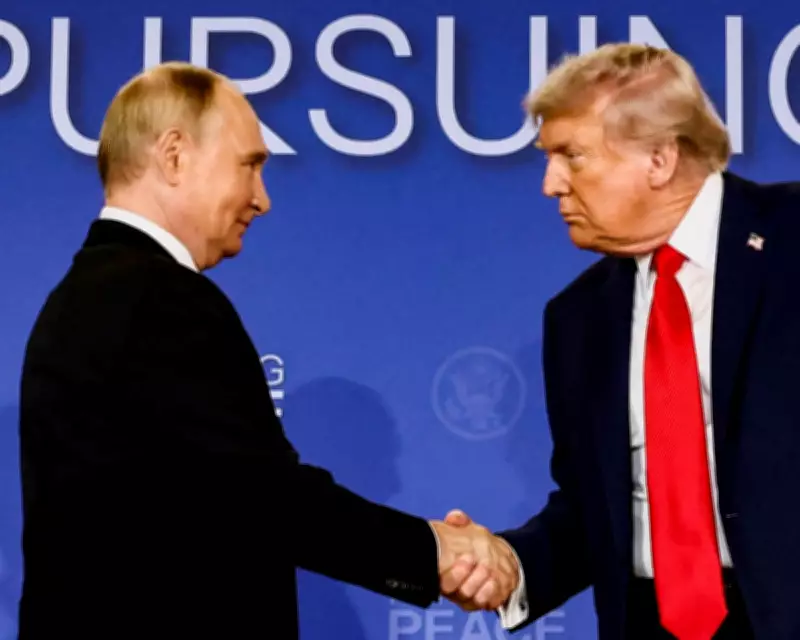
New arms control agreements typically require years of careful negotiation, yet Washington and Moscow have not even initiated discussions about a potential replacement for New START. Russian President Vladimir Putin has offered to continue adhering to New START limits for one year following its expiration, provided the United States makes the same commitment.
This proposal represents a reasonable starting point, and an overwhelming majority of Americans – approximately 91% according to recent polling – believe the US should negotiate a new agreement with Russia to maintain current limits or pursue further arsenal reductions. However, the Trump administration has remained noncommittal, with the former president dismissively remarking, "If it expires, it expires."
The Urgent Need for Action
This diplomatic inertia is unacceptable given the rapidly approaching deadline. If New START concludes without any commitment to respect its established limits, both the United States and Russia will possess complete freedom to expand their strategic nuclear arsenals, effectively launching a new arms race.
The central lesson from both cinematic commentary and historical analysis remains unequivocal: more nuclear weapons do not enhance security. Nuclear deterrence represents not a protective shield, but an existential gamble where a single mistake, malfunction, or miscalculation could end civilization as we know it.
Toward a Safer Future
A renewed nuclear arms race cannot provide meaningful answers to contemporary security challenges. The only viable path forward involves pursuing fewer weapons through verifiable reductions. This requires re-engagement on arms control not only with Russia, but also with China, alongside revived diplomacy with North Korea, Iran, and other nuclear aspirants. Every warhead removed from global stockpiles represents one less potential catastrophe awaiting humanity.
If genuine concern exists for future generations, there must be courage to declare: not one more dollar should be wasted on weapons of mass annihilation. The only nuclear defense strategy worthy of belief is comprehensive disarmament, rooted in binding treaties, rigorous inspections, and robust verification mechanisms.
As the international community bids farewell to New START, there must be an unwavering commitment to replace it with stronger agreements – and an absolute rejection of a new arms race. History teaches that abandoning nuclear arms control creates a vacuum inevitably filled by renewed arms buildups. The only way to truly win a nuclear arms race is to refuse to participate altogether.




