
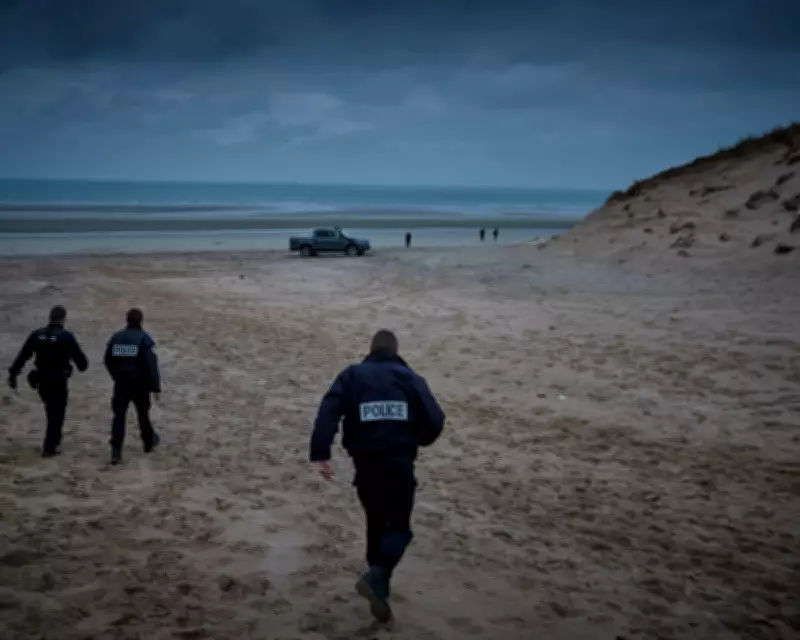
UK Agrees £16.2 Million Stopgap Deal with France for Channel Beach Patrols
The United Kingdom has committed to paying France an additional £16.2 million in a temporary two-month arrangement to ensure continued police patrols on Channel beaches, aimed at preventing a surge in small-boat crossings. This stopgap deal comes into effect after negotiators from both nations failed to reach a permanent agreement before the expiration of the existing three-year, £478 million pact at midnight on Tuesday.
Deadlock Over Permanent Agreement and UK Demands
French negotiators declined to accept UK demands for further interventions and enhanced patrols to stop asylum seekers from reaching British shores via the Channel. It is understood that the French government also refused to guarantee the continuation of patrols without extra funding. The temporary deal was signed off by Home Secretary Shabana Mahmood following a deadlock over plans to revamp the previous agreement.
Home Office negotiators had insisted on a "huge surge" of extra officers under a new agreement, along with a guarantee of increased small-boat interventions by French officials to disrupt gang activity. However, Paris expressed concerns that these UK demands could "put the lives of asylum seekers and French officers at greater risk."
Financial Contributions and Political Reactions
Currently, the UK covers nearly two-thirds of the annual cost of patrols in northern France. Mahmood is seeking to link the next three years of funding to an increase in small-boat interceptions and more regular information on intervention numbers. A Home Office spokesperson stated, "The home secretary is driving a hard bargain with the French to deliver the best deal for the British people, prevent migrants boarding boats and to save lives. We want more bang for our buck."
In response, Nigel Farage, leader of Reform UK, criticized the deal, saying he would end any agreement with France. At a press conference, he argued, "Even if the French do stop boats from crossing, the same people come back the next time there is a calm day... it's all about pull factors." Home Office sources countered that the funding is vital to preventing much larger numbers of people from coming to the UK.
French Concerns and Separate Negotiations
Xavier Ducept, France's junior minister for the sea, criticized the UK for making demands that risk lives, emphasizing that "rescue comes first." He told a parliamentary commission, "What we want is for... the British to contribute to funding interception systems, which are very expensive. But they must not make this funding conditional on a type of efficiency that could be extremely dangerous."
Nearly 700 officers dedicated to intercepting small boats will continue patrolling the French coastline, supported by surveillance and vehicles like vans and dune buggies. The talks to renew the patrol deal are separate from negotiations to renew the "one in, one out" migrant returns agreement with France, which expires in June.
Background and Crossing Statistics
The previous £478 million package, announced by the Tory government in 2023, was intended to fund a new detention centre in France and hundreds of extra law enforcement officers. Despite this, small-boat crossings have increased, with 41,472 people arriving in the UK by this method in 2025. The UK is also demanding a firmer agreement on France's use of a new maritime law that enables authorities to intercept boats at sea.




