A humanitarian worker is being monitored at a specialist hospital in London after potential exposure to the Ebola virus. The individual, a UK resident who has not been named, was medically evacuated from the Democratic Republic of the Congo (DRC) as a highly precautionary measure, the UK Health Security Agency (UKHSA) said.
Precautionary Isolation and Monitoring
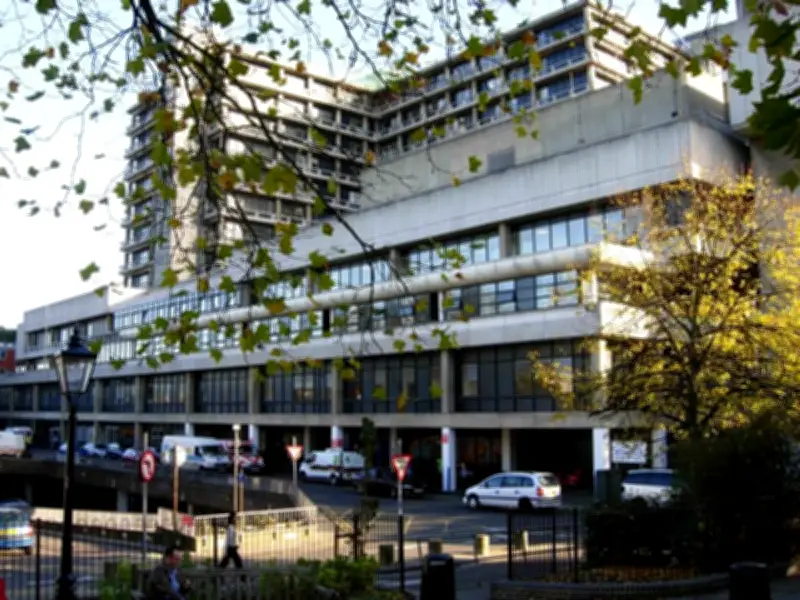
The hospital has not been named, but the Royal Free in north London houses a high-level isolation unit and is the primary national centre for high consequence infectious diseases. The UKHSA stated the individual has no symptoms and remains well. They were evacuated on a flight chartered solely for the evacuation and are now being assessed and monitored in isolation by infectious disease specialists.
The incubation period of Ebola ranges from two to 21 days, and the individual will be closely monitored and required to isolate throughout this period. There are no confirmed cases of Ebola in the UK, and the risk to the general public remains low.

Official Statement and Background
Richard Pebody, director of epidemic and emerging infections at the UKHSA, said: "This individual has been transferred out of an abundance of caution, and we're pleased they remain well." Symptoms of Ebola come on suddenly and start like the flu or malaria, with fever, headache, and tiredness. As the disease progresses, vomiting and diarrhoea develop, and it can lead to organ failure. Some, but not all, patients develop internal and external bleeding.
Between 2014 and 2015, there were three confirmed Ebola cases in the UK, all involving healthcare workers returning from west Africa. All recovered, and there was no onward transmission.
Current Outbreak Statistics
According to the World Health Organization, as of 19 July, the DRC government has recorded 2,423 confirmed cases of Ebola, including 967 deaths, since the outbreak was declared in mid-May. The WHO said 469 had recovered. Uganda has recorded another 20 confirmed cases and two deaths.