
UK-France Small Boats Agreement Teeters on Edge of Collapse
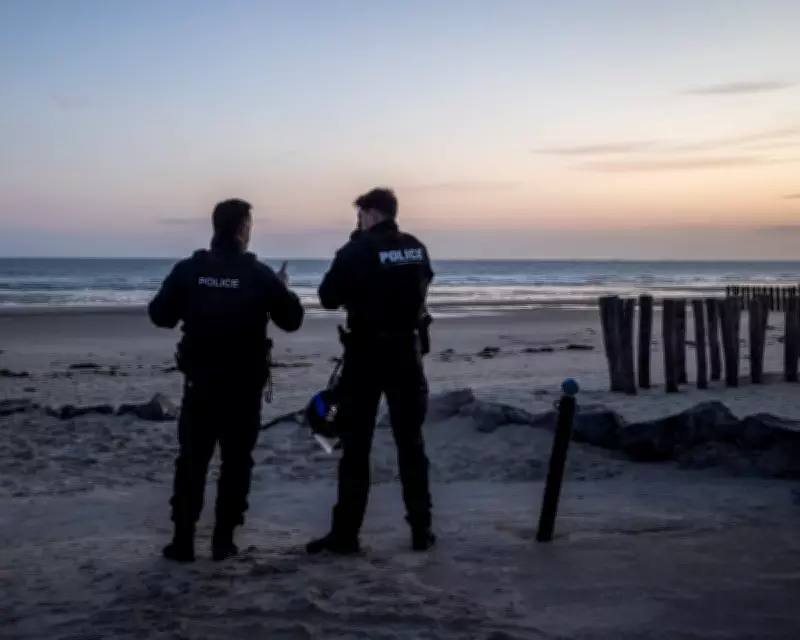
The critical £480 million agreement between the United Kingdom and France, designed to fund police patrols on northern French beaches to intercept small boat crossings, is now on the verge of collapse. Negotiations have reached a deadlock as the UK government insists on more aggressive action against people-smuggling gangs, while French authorities raise serious concerns about the safety of asylum seekers in their waters.
Deadlocked Talks and Expiring Deal
The three-year deal, which expires at midnight on Tuesday, has been the subject of intense discussions involving UK Home Secretary Shabana Mahmood and other ministers. Despite these high-level efforts, no resolution has been reached. The UK currently pays nearly two-thirds of the annual cost for these patrols, but Downing Street is pushing for a significant increase in the number and nature of interventions by French officials to disrupt gang activity more effectively.
French officials, however, have expressed worries that these heightened demands could endanger the lives of migrants. Xavier Ducept, France's junior minister for the sea, emphasized to a parliamentary commission that while the UK should contribute to funding interception systems, this must not come at the cost of safety. "Rescue comes first. And the law," he stated, highlighting the priority of humanitarian concerns over enforcement metrics.
Performance Metrics and Safety Concerns
Under the existing deal signed in 2023 by then-Prime Minister Rishi Sunak and French President Emmanuel Macron, France received £475 million to boost officer numbers on beaches. Initially, this led to French authorities intercepting over 50% of attempted Channel crossings. However, that rate has since fallen to about one-third, prompting UK officials to seek a new target of halting four-fifths of boats to dismantle smuggling operations.
Home Secretary Mahmood aims to link future funding to improved interception rates and a more regular flow of information on interventions. Yet, French police unions have previously delayed policies, such as targeting empty dinghies used to pick up migrants, due to fears of risking lives and potential legal liabilities if injuries or drownings occur.
Criticism from NGOs and Future Implications
Non-governmental organizations on both sides of the Channel argue that these costly agreements are ineffective. Lavanya Pallapi of the Joint Council for the Welfare of Immigrants noted that border policies can lead to increased deaths, while Lachlan Macrae from the Calais Food Collective called for safe asylum routes instead of more funding for French police. Despite the impasse, UK officials assure that any lapse will not create a "cliff edge" in enforcement, though the lack of a deal has been described as "extraordinary" by advocates.
A Home Office spokesperson reiterated the partnership's importance, citing over 40,000 prevented crossing attempts since the government took office and the return of illegal migrants. As the deadline looms, the future of cross-Channel migration cooperation hangs in the balance, with both nations grappling over the balance between security and safety in one of Europe's most contentious immigration issues.




