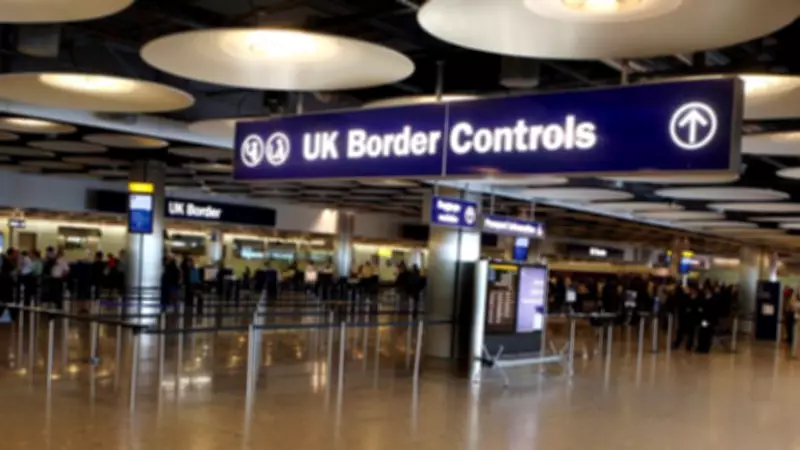
New UK Border Regulations for Dual Nationals Take Effect This Month
Dual nationals traveling to the United Kingdom without a British passport could face significant disruptions under new rules set to be enforced later this month. From February 25, 2026, individuals holding dual citizenship must present either a valid British passport or a certificate of entitlement to gain entry into the UK. Failure to comply may result in being denied boarding on flights, ferries, or trains, as carriers will be unable to verify citizenship status.
What Dual Nationals Need to Know
British and Irish citizens retain the right to live in the UK, but they must now provide proof of this right at the border. Previously, dual nationals could enter using a foreign passport alone, though this often led to delays as Border Force staff confirmed their citizenship. Under the updated regulations, this option is no longer sufficient. The Home Office has been advising dual nationals since October 2024 to ensure they have the correct documentation, with extensive advertising campaigns highlighting the changes since 2023.
Key options for dual nationals include:
- Obtaining a British passport, which costs £94.50 and is the more affordable choice.
- Applying for a certificate of entitlement, priced at £589, which links residency rights to a foreign passport.
A Home Office spokesperson emphasized, "Without a British passport or certificate of entitlement, carriers cannot verify they are a British citizen, which may lead to delays or refused boarding." It is important to note that British citizens cannot use an Electronic Travel Authorisation (ETA) or visa for entry, making a passport or certificate essential.
Implementation and Digital Updates
Those who already possess a physical certificate of entitlement will automatically receive a digital version. However, they must create a UK Visas and Immigration (UKVI) account to link this digital certificate to their foreign passport. Irish citizens are exempt from these changes and can continue to enter the UK using their Irish passport without additional requirements.
Reasons Behind the Regulatory Shift
The introduction of ETAs is part of a broader government initiative to establish a more streamlined and digital immigration system. Officials claim this will facilitate faster entry into the UK, reduce border queues, and enhance security by preventing unauthorized individuals from entering. An ETA costs £16, permits multiple journeys and stays of up to six months, and is valid for two years, with plans to increase the fee to £20 in the future.
This move aligns with similar changes in the European Union, where non-EU citizens now require an ETIAS authorisation. The UK government aims to modernize border controls while maintaining robust security measures, ensuring a balance between efficiency and safety for all travelers.