ICE Desert Camp Faces Outcry Over 'Psychological Torture' and Environmental Harm
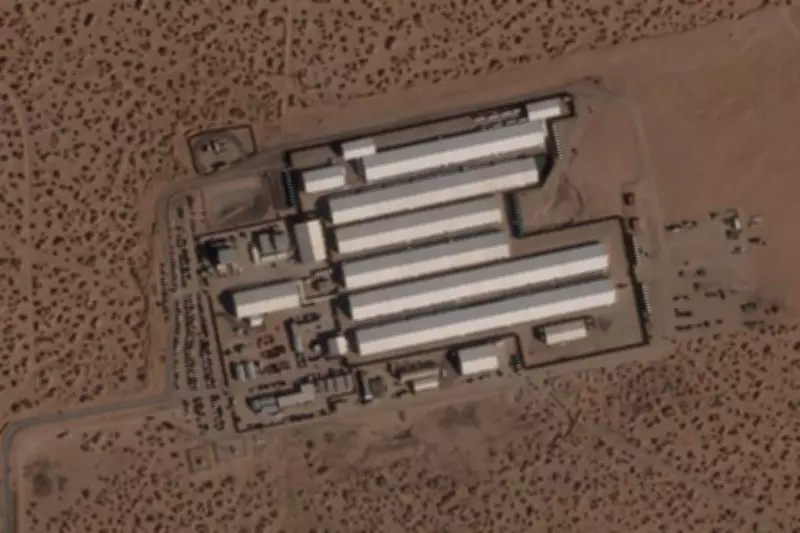
Large white tents and steel fencing dominate Camp East Montana at the Fort Bliss army base in Texas, a sprawling immigration detention facility that has become a focal point for health, human rights, and environmental concerns. Detainees describe conditions as abusive and degrading, with reports of inadequate medical care, extreme temperatures, and environmental hazards that affect both inhabitants and the surrounding area.
Harsh Conditions and Health Risks
Dust permeates everything at Camp East Montana, covering blankets and clogging airways, according to D, a young Venezuelan man who was held there. The air conditioning runs constantly, keeping living areas inside tents—each the length of two football fields—at near-freezing temperatures despite balmy weather outside. Rain leaks through tarps, leaving detainees to wake on wet mattresses.
"Everyone was coughing a lot – and with the same problem to breathe," said D, who has since been released. He reported losing 25 pounds and developing a persistent cough during his detention. His wife, T, a U.S. citizen, described his experience as having all his rights taken away.

Camp East Montana, with a capacity of 5,000 and an average daily population of 2,505, has become a scandal after just nine months in operation. Detainees have contracted serious illnesses like tuberculosis, Covid, and measles, and three have died at the camp. Charlotte Weiss, a staff attorney at the Texas Civil Rights Project, said detainees rarely leave the tents and don't see sunlight for weeks, describing it as "psychological torture."
Environmental Impact and Energy Consumption
The facility's reliance on generators for power creates significant environmental problems. These generators produce noise, particulate matter, and emissions that contribute to climate change. Flying thousands of people hundreds of miles to be detained in the desert further increases carbon emissions.
"I think the environmental impact is pretty apparent," said Danielle Jefferis, associate professor of law at the University of Nebraska College of Law. "If you don't have a brick-and-mortar building that is properly plumbed and has appropriate medical units and all of the basic infrastructure relating to human rights, you're going to have a serious environmental impact."
Holly Samuelson, associate professor of architecture at MIT, explained that air-conditioning or heating tents requires much more energy than buildings built to code, especially when tents lack proper insulation.
ICE's Response and Ongoing Concerns
The Department of Homeland Security (DHS), ICE's parent agency, denied allegations of poor conditions in emailed statements. "Allegations that staff at Camp East Montana have not provided detainees with meals are unequivocally FALSE," one statement said. DHS also claimed detainees receive comprehensive medical care and are not denied access to sunlight or fresh air.
However, advocates point to numerous deficiencies documented in ICE inspections. In February, inspectors identified 22 deficiencies related to use of force and restraints, part of 49 total deficiencies ranging from medical care to sexual abuse prevention. The facility received an "acceptable/adequate" rating despite these issues.
Environmental concerns extend beyond generators. Earthjustice has warned that parts of Fort Bliss may be contaminated from historical dumps and industrial spills. Soil near the camp has shown arsenic levels nearly 19 times higher than EPA safety standards, posing long-term health risks.
Broader Implications and Expansion
The problems at Camp East Montana come amid ICE expansion under the Trump administration. Enforcement flights increased 156% year-over-year to 1,630 in February 2026, according to Human Rights First. More tent facilities and converted warehouses are planned, potentially creating even larger detention centers.
"In a very demoralizing way, it seems like we know what the likely impacts of these facilities are going to be," said Wyatt Sassman, associate professor of law at the University of Denver. "And we're just barreling towards them."

As detention policies continue to evolve, Camp East Montana stands as a stark example of the intersection between immigration enforcement, human rights, and environmental sustainability.