
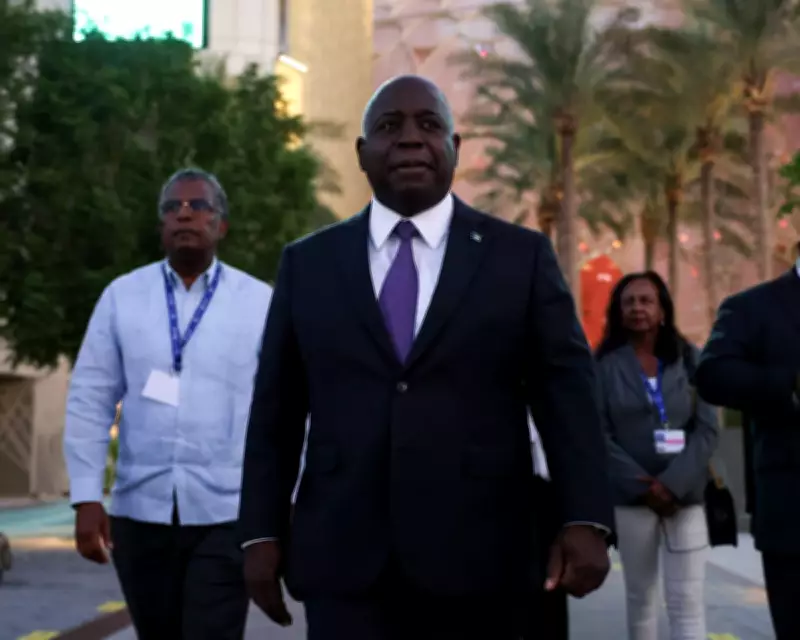
The Bahamas prime minister, Philip Davis, and his ruling Progressive Liberal party (PLP) have been re-elected, making him the country's first leader to serve a second consecutive term in nearly 30 years.
Election Results and Mandate
Davis's party was on track to win more than 30 of the 41 seats in the Bahamian parliament. It had previously held 32 of the 39 seats in the Bahamian House of Assembly before the constituencies commission recommended the creation of two new constituencies. The PLP won both new seats.
"The Bahamian people have spoken, and I receive their verdict with humility and gratitude," Davis told Reuters. "This victory is a mandate to keep moving the Bahamas forward, to expand opportunity, strengthen security, ease the pressure on families, and deliver progress across our islands."
Early Election Timing
A poll was not due to be called until October, but Davis decided to call an early election to get ahead of the upcoming Atlantic hurricane season, an official in his office said. The September 2021 election, which resulted in Davis's ascension to prime minister, was also called early. That election was the first time in nearly 25 years that Bahamian voters headed to the polls in a month other than May.
Opposition and Key Contests
The Free National Movement (FNM), now in its second term out of office, was on track to win only eight seats, according to opposition leader Michael Pintard. Both the chair and deputy leader of the opposition party were defeated at the polls. Rick Fox, a three-time NBA champion who contested the election as the FNM's candidate for the Garden Hills constituency, lost to incumbent Mario Bowleg. "King Kong ain't got nothing on me," Bowleg said after the results were announced. Former Prime Minister Hubert Minnis, who served until defeated by Davis in 2021, failed to win a seat he held for nearly 20 years after launching an independent bid.
Key Issues and Economic Concerns
Bahamian voters headed to the polls with concerns about affordability, particularly rising housing costs and stagnant wages. The International Monetary Fund pointed to these issues in 2025, noting that while the government had taken steps to alleviate housing shortages, more public spending on housing was needed. Months ahead of the election, Davis removed the value-added tax from food sold in grocery stores, a move the opposition said would have little impact. Despite attempts by recent governments to increase housing accessibility, the issue remains a challenge.




