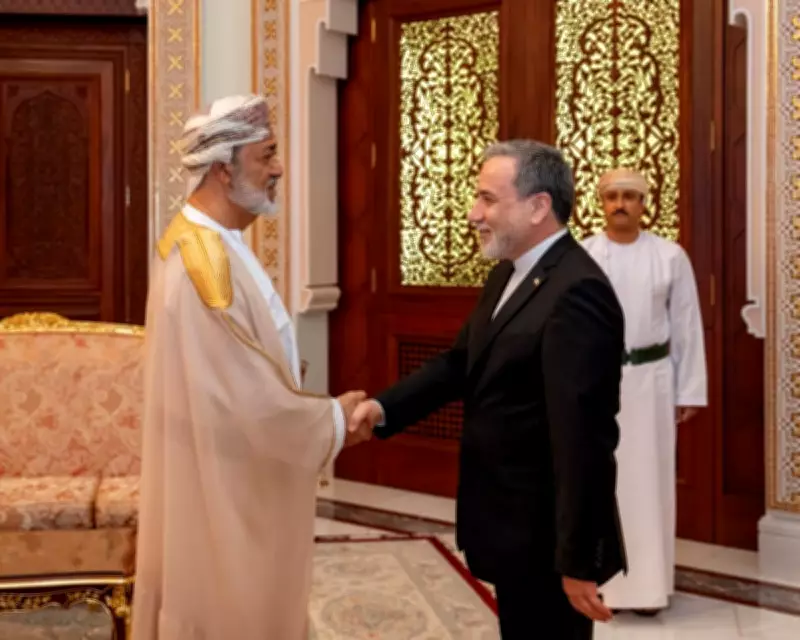
International efforts to broker peace in the Middle East have made no headway, as the United States and Iran remain entrenched in their positions, refusing to yield on key demands. The stalemate, which has persisted for months, shows no signs of breaking, leaving the region in a state of heightened tension.
Diplomatic Efforts Stalled
Mediators from the European Union, the United Nations, and several Arab nations have shuttled between Washington and Tehran, but their efforts have been met with intransigence on both sides. The US insists on strict limits to Iran's nuclear program and an end to its support for proxy groups, while Iran demands the lifting of all sanctions and guarantees against regime change.
US Position
American officials have reiterated that any agreement must include verifiable and permanent restrictions on Iran's nuclear activities. They also call for Iran to cease its ballistic missile program and its involvement in conflicts across the region, including in Yemen and Syria. The US has warned that without such concessions, it will not return to the negotiating table.
Iranian Demands
Iran, on the other hand, refuses to negotiate under pressure. Its leaders demand the complete removal of economic sanctions imposed since 2018, as well as guarantees that the US will not unilaterally withdraw from any future deal. Iran also insists on its right to develop a civilian nuclear program and to maintain its regional influence.
Regional Fallout
The lack of progress has alarmed neighboring countries, which fear a new conflict. Israel has threatened preemptive strikes against Iranian nuclear facilities, while Saudi Arabia and the UAE have engaged in frantic diplomacy to de-escalate tensions. The stalemate also complicates efforts to stabilize Iraq and Lebanon, where Iran-backed groups hold significant sway.
Economic Impact
The uncertainty has weighed on global oil markets, with prices fluctuating on every rumor of a breakthrough or breakdown. Iran's economy remains crippled by sanctions, but its leadership shows no willingness to compromise. The US, meanwhile, faces domestic pressure to take a tough stance on Iran, limiting its flexibility.
Prospects for Peace
Analysts say the prospects for a diplomatic resolution are dim unless one side blinks. The Biden administration has prioritized other foreign policy challenges, including the war in Ukraine and competition with China, reducing the bandwidth for Middle East peace. Iran, emboldened by its strategic ties with Russia and China, sees little reason to concede.
As the impasse continues, the risk of miscalculation or escalation grows. The international community watches with concern, hoping that a window for dialogue may yet open. But for now, peace in the Middle East remains an elusive goal.