UK Aid Cuts to Devastate African Nations with £900m Reduction
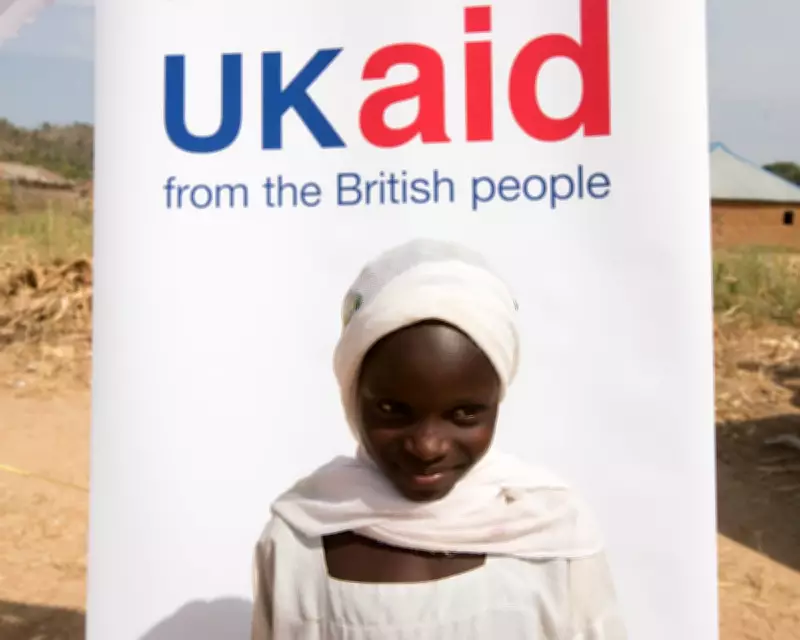
In a sweeping overhaul of foreign aid policy, the UK government has announced severe budget cuts that will disproportionately affect some of the world's poorest countries, particularly across Africa. Bilateral overseas development aid to Africa is set to plummet from £818 million in 2026 to £677 million by 2029, representing a drastic 17% drop in just three years. This forms part of a broader 56% cut to UK bilateral aid to the continent, totaling almost £900 million by the 2028-29 fiscal year.
Foreign Secretary Yvette Cooper Defends Difficult Choices
Foreign Secretary Yvette Cooper has outlined that these reductions are not ideologically driven but are necessary difficult choices in response to escalating international threats. The cuts, which exceed £6 billion overall, are primarily intended to reallocate funds towards increased defence spending. Cooper emphasized the government's commitment to gradually return to the legally enshrined target of spending 0.7% of GDP on aid, though the budget has been reduced to 0.3% for the time being.
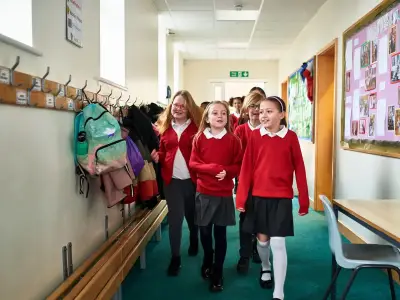
The most significant impact will be felt across Africa, where bilateral aid funds critical programs such as schools, clinics, and healthcare initiatives. Development Minister Jenny Chapman noted that while nations like Mozambique, Malawi, and Sierra Leone will bear the brunt of these cuts, they have expressed a preference for shifting towards expertise partnerships with the UK. These collaborations would focus on areas like building stable financial systems and promoting clean energy, rather than traditional aid models.
Strategic Shift Towards Conflict Zones and Multilateral Agencies
The Foreign, Commonwealth and Development Office (FCDO) is implementing a strategic pivot, redirecting 70% of all support to the most fragile and conflict-affected states by 2029. Key allocations will be protected for Ukraine, Sudan, and Palestine, with Lebanon also receiving safeguarded funding this year due to the intensity of the current offensive from Israel. Additionally, the UK has ringfenced £240 million annually until 2029 for Ukraine, alongside billions in loan guarantees.
As part of this restructuring, all aid spending to G20 countries—including India, Indonesia, South Africa, and Brazil—will be terminated, except for a small allocation to refugee hosting in Turkey. The FCDO will also phase out bilateral programs in these nations, focusing instead on multilateral contributions through institutions like the World Bank and the African Development Bank. Funding for major initiatives such as polio eradication and the Pandemic Fund will be channelled through agencies like Gavi and the Global Fund.
Humanitarian and Health Programs Face Significant Reductions
The crisis reserve for humanitarian emergencies has been reduced from £85 million to £75 million, though this cut is less severe than initially anticipated. However, Adrian Lovett, UK executive director of the ONE Campaign, warned that the scale of these reductions will have devastating consequences. He highlighted that slashing bilateral aid to Africa, where need is greatest, risks leaving millions without access to basic healthcare, education, and urgent humanitarian support. This could potentially lead to a resurgence of deadly diseases that have been targeted for decades.
Despite these cuts, certain areas will see protected funding, including the British Council, the BBC World Service, and vaccine program Gavi. The aid budget also continues to cover the cost of housing asylum seekers in UK hotels, which currently runs at approximately £2 billion annually, though this expenditure is expected to decrease over time.
Chapman reiterated that this overhaul does not signify a loss of faith in the global development agenda but rather a recalibration in response to fiscal constraints and geopolitical realities. The FCDO has engaged in collaborative discussions with global South partners to ensure transparency and adaptability in this transitional period.