Trump Extends US-Iran Ceasefire Indefinitely Following Pakistan Mediation Request
In a significant diplomatic development, US President Donald Trump has announced the indefinite extension of a ceasefire with Iran, citing a formal request from Pakistan which has been actively mediating talks between the two nations. The announcement was made via a post on Trump's Truth Social platform on Tuesday, where he stated the ceasefire would remain in effect until Iran submits a formal proposal or negotiations reach a conclusive end.
Diplomatic Missions Assess Damage in Tehran
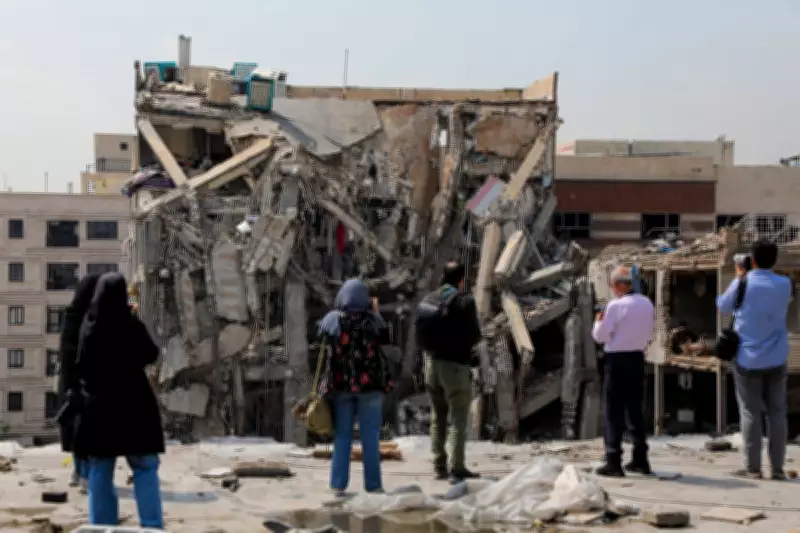
Meanwhile in Tehran, representatives from over a dozen foreign diplomatic missions, United Nations offices, and international media outlets conducted inspections of sites previously targeted by US-Israeli strikes on April 20. The damage assessment tour occurred as tensions remained high despite the extended ceasefire, with photographic evidence from Majid Saeedi/Getty Images documenting the extensive destruction at multiple locations throughout the Iranian capital.
Ceasefire Extension and Negotiation Dynamics
"I have therefore directed our Military to continue the Blockade and, in all other respects, remain ready and able, and will therefore extend the Ceasefire until such time as their proposal is submitted, and discussions are concluded, one way or the other," President Trump wrote in his social media statement. This move effectively buys additional time for the United States and Iran to continue pursuing a comprehensive nuclear agreement that could potentially end the ongoing conflict.
The ceasefire extension represents a notable shift in tone from Trump, who had spent the previous weekend telling advisers he would not extend the ceasefire unless Iran reopened the strategic Strait of Hormuz. In a Tuesday interview with CNBC's Squawk Box, Trump had stated: "I expect to be bombing because I think that's a better attitude to go in with. We're ready to go. The military is raring to go." When questioned about extending the ceasefire, he responded: "I don't want to do that. We don't have that much time."
Negotiation Team Movements and Emergency Meetings
Earlier on Tuesday, Vice President JD Vance canceled his scheduled trip to Islamabad, citing Iran's lack of response regarding their participation in negotiations, according to sources familiar with the matter. These same sources indicated that Vance could travel immediately should Iran provide a positive response. Later that afternoon, Vance was observed arriving at the White House for emergency meetings, which US Secretary of State Marco Rubio was also scheduled to attend.
Trump's negotiation team, led by Vice President Vance, special envoy Steve Witkoff, and presidential son-in-law Jared Kushner, has reportedly expressed optimism that a deal could be reached with Iran. The previous round of negotiations in Islamabad focused heavily on a potential agreement where the United States would release $20 billion in frozen funds or provide equivalent sanctions relief in exchange for Iran transferring its stockpile of highly enriched uranium to American control.
Negotiation Framework and Conflicting Signals
Trump's negotiators believe a cash-for-uranium arrangement has the strongest chance of success, as financial incentives represent the most compelling motivation for Iranian leaders who are grappling with an economy severely battered by sanctions and the economic costs of the current conflict. Despite Trump initially agreeing to this framework during negotiations, with Vance maintaining constant communication with the president via conference calls to ensure any potential deal had presidential approval, Trump publicly announced on Friday that he would not release any funds to Iran.
This pattern of conflicting signals has become characteristic of Trump's approach to the conflict. On Monday alone, Trump alternated between suggesting a potential deal was imminent and warning that "lots of bombs" would "start going off" if negotiations failed. Earlier in the month, he had threatened extinction on "a whole civilization" of Iran while claiming Iranian civilians were actively welcoming US strikes on the country's infrastructure.
Iranian Response and Parliamentary Position
In Tehran, Iranian Parliamentary Speaker Mohammad Bagher Ghalibaf posted on social media platform X early Tuesday, stating: "We do not accept negotiations under the shadow of threats," while accusing Washington of seeking Iranian surrender rather than pursuing a genuine diplomatic settlement. This statement reflects the challenging diplomatic environment as both nations navigate the delicate ceasefire extension while maintaining fundamentally different positions on negotiation parameters and desired outcomes.
The extended ceasefire provides a critical window for diplomatic efforts to progress, though significant obstacles remain. The inspection of damaged sites in Tehran by international representatives underscores the tangible consequences of previous military actions, while the negotiation teams continue their work toward a nuclear agreement that could potentially reshape Middle Eastern geopolitics and end one of the region's most volatile conflicts.