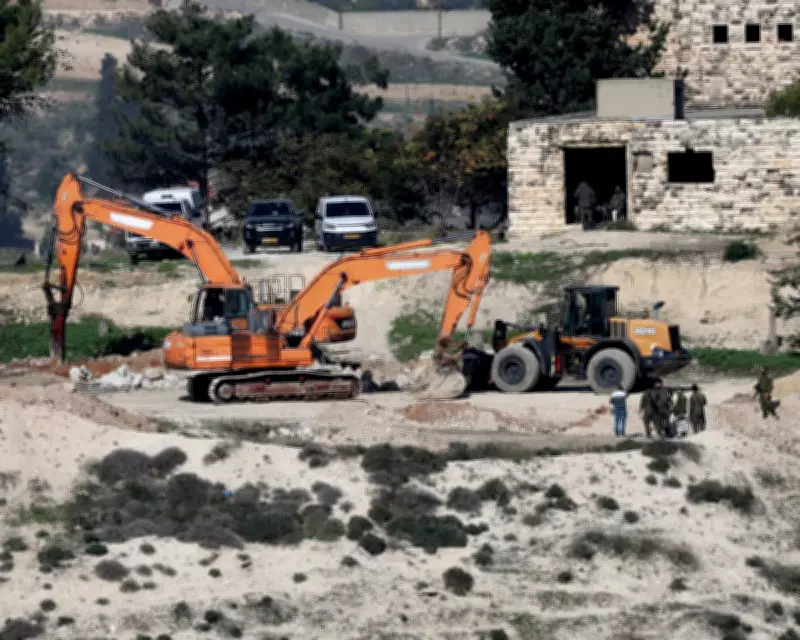
Sanctions on Israeli Settlements Prove Effective Without US Involvement
In a significant development largely overlooked by global media, sanctions imposed by countries such as the UK, Canada, and Australia on extremist Israeli settlers are demonstrating tangible impact, even after the Trump administration reversed all Biden-era sanctions last year. This effectiveness comes as a new West Bank settlement plan, known as E1, gains momentum, threatening to undermine the viability of a Palestinian state by fracturing territorial contiguity.
Backlash and Regulatory Concessions Highlight Sanctions' Influence
The new year in Tel Aviv began with protests by violent extremist settler groups facing UK sanctions since October 2024, triggered by an Israeli banking directive aimed at shielding Israelis from international penalties. Finance Minister Bezalel Smotrich, who himself faces sanctions from multiple countries, has waged a campaign against these measures, publicly pressuring banks to comply less with sanctions. In response, the Bank of Israel issued Directive 412 in December 2025, balancing financial interests with foreign sanctions risk, but stopping short of compelling banks to ignore international sanctions entirely.
This regulatory compromise has sparked further protests, with Smotrich vowing to continue efforts to insulate Israelis from sanctions. The persistence of Israel's backlash, even after the US lifted its sanctions and issued accommodations allowing banks to process transactions for basic needs, underscores that Washington's participation is not essential for maintaining pressure. Israeli institutions remain strained by economic sanctions from other nations, highlighting the growing case for a coordinated multilateral escalation.
Opportunity for Global Action Ahead of E1 Tender Awards
With tenders for 3,401 housing units in the E1 settlement east of Jerusalem expected to be awarded on 16 March, the Global Sanctions Coalition, including groups like Amnesty International Australia, is urging governments to deploy targeted sanctions on companies involved in the project. This moment tests whether nations will enforce their red lines or acquiesce to US-backed impunity for Israel.
Despite a slowdown in new sanctions designations in 2025, as some countries aligned with Trump's Gaza peace plan, the current geopolitical climate offers a chance to pivot. Governments can establish a multilateral sanctions taskforce similar to those used against Russia's invasion of Ukraine, focusing on entities complicit in human rights abuses and violations of international law.
Risks of Inaction and the Path Forward
If global sanctions efforts remain timid, inaction will not preserve stability but instead allow hardliners to undermine Israel's financial sector independence. There is a risk that political pressure could lead to amendments weakening anti-money-laundering and counter-terrorist financing obligations, institutionalizing immunity from sanctions. Without credible implementation and strategic escalation, sanctions meant to address malign conduct may lose force.
Governments have an immediate opportunity to develop a coherent sanctions strategy, translating opposition to illegal settlements into tangible pressure on involved companies. Failure to act could necessitate more sweeping measures, such as sanctions on Israel's banking sector akin to those imposed on Russia or Iran, to impose meaningful consequences on expansionism.
This analysis underscores the critical role of emerging sanctions leaders—Canada, the EU, the UK, Australia, Japan, Norway, and Singapore—in restarting and escalating the use of targeted economic sanctions, the world's most widely employed foreign policy tool, to uphold international norms and accountability.