Russia Agrees to Cease Kenyan Recruitment for Ukraine Conflict
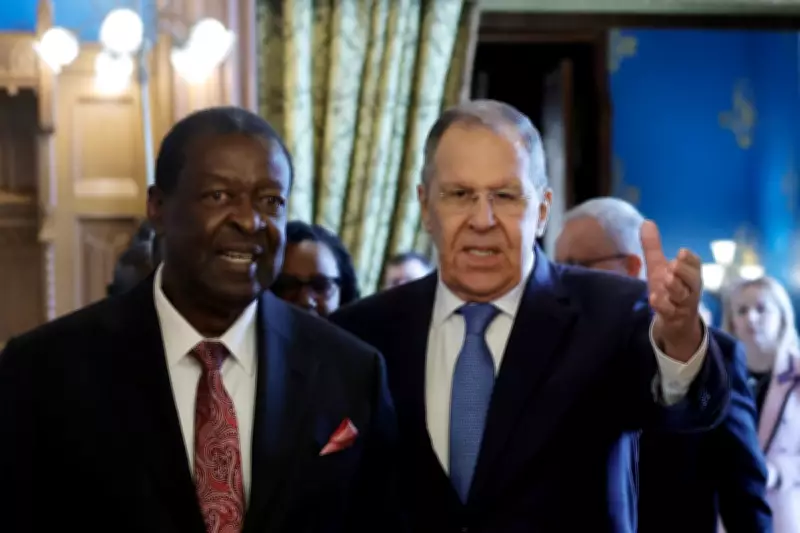
Russian Foreign Minister Sergey Lavrov hosted Kenyan counterpart Musalia Mudavadi for crucial diplomatic talks in Moscow this week, resulting in a significant agreement regarding foreign fighters in the Ukraine war. The Kenyan government announced that Russia has consented to stop recruiting Kenyan citizens to participate in the ongoing conflict against Ukraine, marking a diplomatic breakthrough between the two nations.
Ending Foreign Recruitment Practices
"We have now agreed that Kenyans shall not be enlisted," declared Foreign Minister Mudavadi during a joint press conference with Lavrov. This agreement comes after mounting concerns about Russia's recruitment practices across Africa since the 2022 invasion of Ukraine. Ukrainian intelligence estimates suggest more than 1,780 citizens from 36 different African countries are currently fighting alongside Russian forces.
Kenyan intelligence services have documented particularly alarming numbers, with reports indicating over 1,000 Kenyan nationals have been dispatched to the Ukrainian frontlines. The situation gained international attention following the case of Kenyan long-distance runner Evans Kibet, who was captured by Ukrainian forces and held as a prisoner of war. Kibet revealed he was deceived into signing a military contract after traveling to Russia for a sporting event.
Diplomatic Context and Regional Implications
Lavrov maintained that Kenyan citizens had voluntarily entered into contracts with the Russian military, but the agreement represents a notable shift in Moscow's approach to foreign recruitment. The talks occurred against a backdrop of escalating military developments, with Russian forces reportedly capturing 12 Ukrainian settlements in the first two weeks of March alone.
General Valery Gerasimov, Russia's top military commander, confirmed that Russian troops are "actively moving towards Sloviansk," a strategically important town in eastern Ukraine's Donetsk region that has long been identified as a primary Russian objective. Meanwhile, air defense systems have been engaged in intense activity, with Moscow reporting the downing of at least 67 Ukrainian drones targeting the capital on Monday alone.
Broader International Concerns
The recruitment agreement emerges alongside growing international apprehension about Russia's wartime economy. Data indicates Russia has generated approximately €6 billion from fossil fuel sales in the fortnight since the conflict with Iran began, prompting warnings from UK political leaders. Keir Starmer, who is scheduled to host Ukrainian President Volodymyr Zelenskyy for talks, cautioned that the situation must not become a "windfall for Putin."
Zelenskyy's diplomatic tour continues with planned visits to Madrid for discussions with Spanish Prime Minister Pedro Sánchez, while Belgium's Prime Minister Bart De Wever has faced criticism for advocating normalized relations with Russia to restore access to affordable energy supplies. "In private European leaders tell me I am right, but no one dares say it out loud," De Wever remarked regarding his controversial position.
Military Developments and Regional Security
The Ukrainian military reported unusual drone activity, describing a recent rush hour attack as featuring "various types of strike drones" in what they characterized as an atypical assault pattern. Ukrainian air defense units claimed success in intercepting 194 out of 211 Russian drones launched overnight and into Monday, though three casualties were reported in southern Ukrainian regions.
Maritime security concerns have also surfaced, with Russia's foreign ministry revealing that a damaged Russian gas tanker has been drifting in the Mediterranean Sea for nearly two weeks with 700 tonnes of fuel aboard. The vessel, part of what Western nations describe as Moscow's "shadow fleet," suffered explosions on March 3rd that Russian officials attribute to Ukrainian sea drone attacks.
The Moscow agreement represents a significant development in African-Russian relations and could potentially influence recruitment patterns from other nations. As diplomatic efforts continue, the focus remains on implementing the recruitment cessation while addressing the complex humanitarian and security challenges created by foreign fighter involvement in the Ukraine conflict.