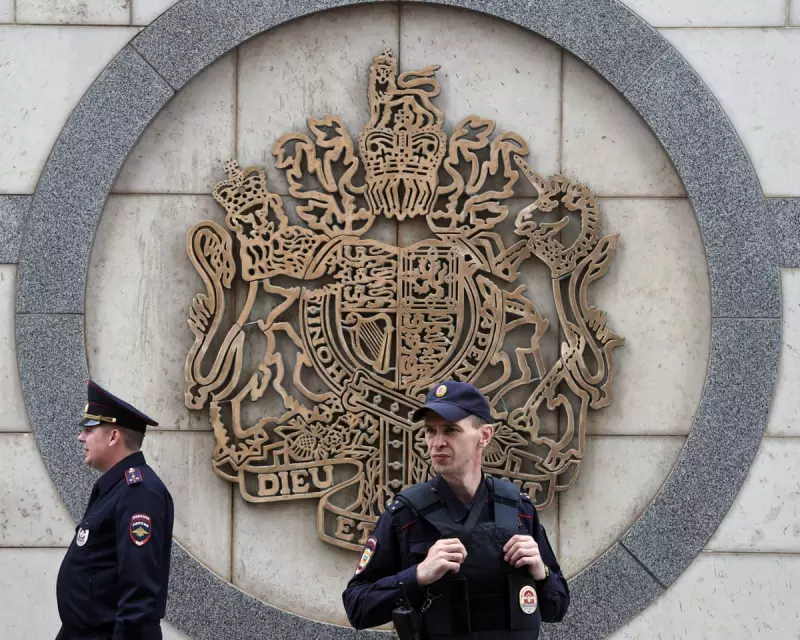
Russia has ordered a British diplomat to leave the country within two weeks, accusing the individual of being an undeclared intelligence officer. The move marks a fresh escalation in the ongoing diplomatic tensions between London and Moscow.
Summons and Accusations
The Russian foreign ministry stated it had received information "regarding the affiliation of a diplomatic employee at the embassy with the British secret service". In response, the British chargée d’affaires in Moscow, Danae Dholakia, was summoned to the ministry and informed of the expulsion.
A post on the Telegram channel of the FSB, Russia's domestic intelligence agency, detailed the meeting. The ministry emphasised that Moscow would not "tolerate the activities of undeclared British intelligence officers in Russia".
A Warning of 'Mirror' Response
The Russian foreign ministry issued a stark warning to the UK government, stating that "if London escalates the situation, the Russian side will give a decisive 'mirror' response". This language suggests any further diplomatic action by Britain could trigger an immediate and equivalent retaliation from Moscow.
This incident continues a pattern of tit-for-tat expulsions that has characterised UK-Russia relations, particularly since the start of the war in Ukraine. In March last year, Russia expelled a UK diplomat and the spouse of another, claiming they were spies. The then Foreign Secretary, David Lammy, responded by expelling a Russian diplomat, accusing Moscow of a "relentless and unacceptable campaign of intimidation" against British embassy staff.
Broader Diplomatic Context
The expulsion occurs against a complex diplomatic backdrop. Early last year, both Russia and the US pledged to rebuild embassy staffing levels, part of an outreach effort by then-US President Donald Trump that was widely criticised in Europe. However, bilateral relations between the UK and Russia have remained deeply strained.
The UK Foreign Office has been contacted for comment regarding the latest expulsion. Analysts suggest this move will further chill diplomatic channels between the two nations, complicating already difficult communications.