Pakistan Hosts High-Stakes US-Iran Talks in Islamabad
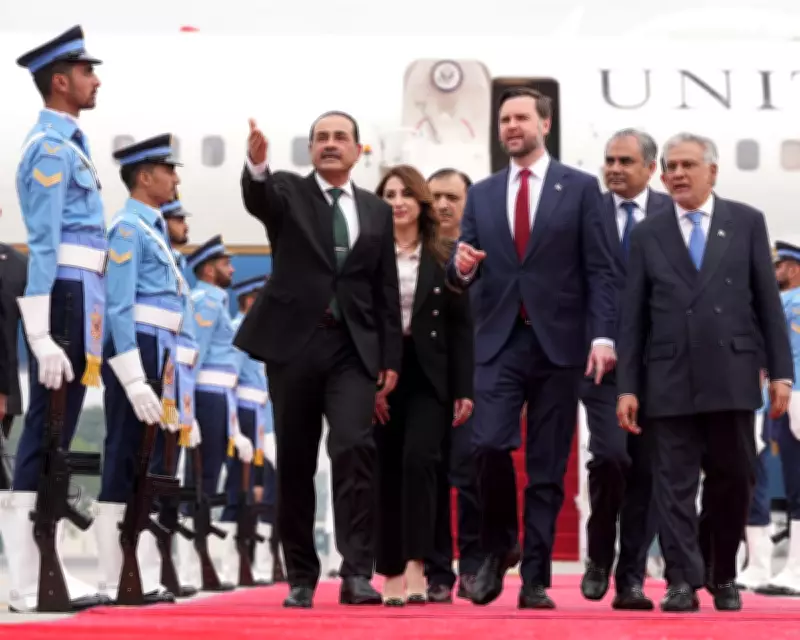
Pakistan's chief of defence forces, Field Marshal Asim Munir, welcomed US Vice-President JD Vance to Islamabad for the inaugural round of direct talks between the United States and Iran. This diplomatic initiative marks a significant moment as Pakistan positions itself as a mediator in the ongoing Middle East conflict, with Islamabad hoping to leverage this role to enhance its international standing and secure economic advantages.
Mediating Between Unpredictable Powers
Pakistani officials are working intensively to bridge the gap between an unpredictable US administration and hardline factions in Tehran. Efforts are focused on establishing conditions for a second round of negotiations scheduled for later this week in Islamabad, including de-escalating tensions in the strategic Strait of Hormuz. Despite objections from Iranian representatives and threats from former US President Donald Trump, Pakistan remains optimistic that the talks will proceed, viewing such statements as political posturing for domestic audiences.
The stakes extend beyond regional stability to Pakistan's own security and economic interests. The nation faces risks of being drawn into the conflict and relies heavily on energy imports from the Gulf region. Historically perceived as an international problem child due to religious extremism and economic instability, Pakistan has seized this opportunity to demonstrate neutrality and assume the role of responsible mediator.

Military Diplomacy Yields Initial Breakthroughs
Field Marshal Asim Munir's three-day visit to Tehran last week contributed to a temporary ceasefire in Israel's attacks on Lebanon and a brief opening of the Strait of Hormuz. Pakistani officials anticipate concessions from both sides on contentious issues, including Iran's nuclear program. If an agreement is reached, there are hopes that Trump and Iranian President Masoud Pezeshkian will travel to Islamabad to formalize the deal.
Security measures have been heightened in Islamabad, with road closures and hotels cleared to accommodate potential delegations. As the only nuclear-armed Muslim nation with a 600,000-strong military, Pakistan believes it has underutilized its geopolitical influence. In an evolving multipolar world order, Pakistan aims to leverage its military strength to offset economic weaknesses and political turbulence.
Strategic Positioning and Historical Context
The opening for Pakistan's mediation emerged from the Trump administration's need for a credible interlocutor with Iran, following Munir's unexpected meeting with Trump at the White House in June 2025. Iran's trust in Pakistan was reinforced during last year's 12-day conflict with Israel, where Islamabad provided diplomatic support.
Ali Sarwar Naqvi, a former senior Pakistani diplomat, noted that Iran distrusts traditional European diplomatic venues like Geneva and Vienna. "Pakistan has the confidence of all the permanent members of the UN Security Council and the trust of Iran," Naqvi stated. "Pakistan is a big country, with nuclear capability, and it is strategically located."
Pakistan has historically balanced relations with both Beijing and Washington while maintaining strong ties with Gulf states. The country facilitated secret talks in 1971 that led to US-China diplomatic relations and has represented Iranian interests in Washington since 1979. "Pakistan's role today does not come out of the blue," said former ambassador Zamir Akram. "Pakistan's job now is to make sure that both sides believe they are getting an honourable exit."
Economic Vulnerabilities and Diplomatic Aspirations
Despite its diplomatic efforts, Pakistan's economic fragility remains evident, with recent power cuts and a $3 billion emergency loan from Saudi Arabia. The government hopes that increased global stature will attract foreign investment, though this depends on implementing economic reforms such as tax reductions and stronger legal frameworks.
Joshua White, a former White House official, observed that Pakistan has adeptly engaged the Trump administration despite historical tensions with Iran. "The decision-making process in Washington today is highly personalised, and the Pakistani leadership have taken full advantage," White noted.

Elizabeth Threlkeld, a former US diplomat, highlighted Pakistan's rising stock in Washington due to its performance in last year's conflict with India, active Middle East involvement, and a defence deal with Saudi Arabia. "So long as Pakistan does not set unrealistic expectations, it stands to gain from providing an opportunity for the two sides to come together," Threlkeld concluded.