Oman's Foreign Minister Accuses Israel of Sabotaging Iran Nuclear Deal
In a scathing assessment published in the Economist, Omani Foreign Minister Badr Albusaidi has claimed that Israel persuaded the Trump administration to launch a catastrophic war against Iran, just as diplomatic negotiations were nearing a substantive breakthrough. Albusaidi, who mediated the latest nuclear talks between Iran and the United States, described the conflict as a "grave miscalculation" that has plunged the Middle East into chaos.
Nuclear Talks on the Verge of Breakthrough
According to Albusaidi, Iran and the US were on the "verge of a real deal" during nuclear negotiations held in Geneva in late February. The talks, which he characterized as highly substantive, involved significant concessions from Iran, including a reduction and pause in uranium enrichment and an offer for US participation in a future civil nuclear program. In exchange, Iran sought the lifting of sanctions and the unfreezing of assets.
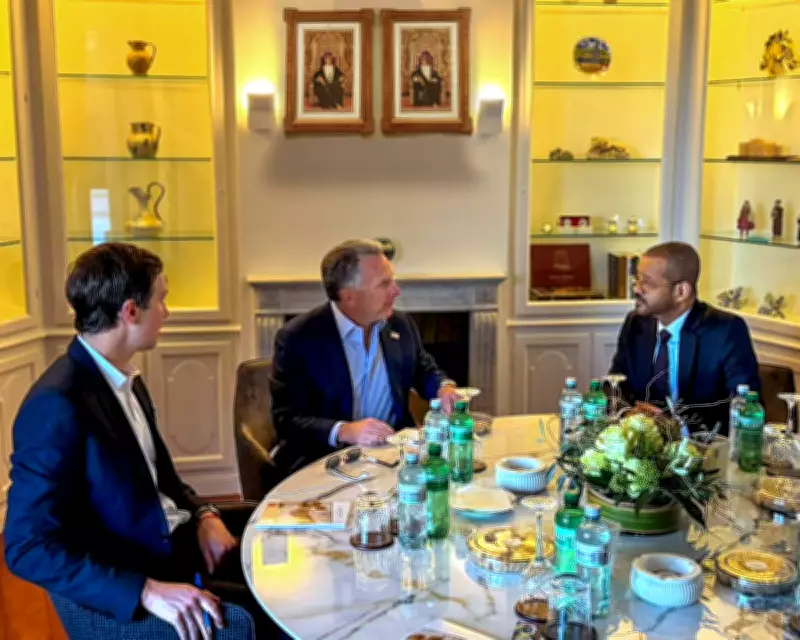
The US negotiating team, led by Trump's special envoy Steve Witkoff and his son-in-law Jared Kushner, reportedly brought no technical experts to the table. Despite this, sources indicate that progress was substantial enough to potentially avert war. The UK's national security adviser, Jonathan Powell, who attended the final stages, was reportedly surprised by the significant advancements toward a permanent nuclear agreement.
War Erupts Despite Diplomatic Progress
Just 48 hours after the Geneva talks concluded, the US and Israel launched military strikes against Iran, shattering the fragile diplomatic momentum. Albusaidi wrote that it was "a shock but not a surprise" when the attacks occurred on February 28, hours after what he described as the "most substantive talks" to date. A final phase of negotiations had been scheduled for the following week in Vienna, but was abruptly canceled due to the outbreak of hostilities.
Albusaidi placed blame squarely on "Israel's leadership" for convincing Trump to join the war under the false premise that Iran's regime would offer "unconditional surrender" following the assassination of Supreme Leader Ali Khamenei. "The American administration's greatest miscalculation," he wrote, "was allowing itself to be drawn into this war in the first place."
Oman's Unique Position in the Gulf
Among Gulf countries, Oman has been the most vocal and proactive in attempting to prevent US military action against Iran. While other states like the UAE and Qatar also worked toward diplomatic solutions and warned Trump about the devastating regional consequences of war, Oman has increasingly distinguished itself through its willingness to publicly criticize the United States.
In comments to reporters last Thursday, Albusaidi accused the US of being a proxy for Israeli interests in the region and claimed America was "intent on causing irreversible damage to international law" while helping Israel reorder the Middle East to its benefit. "Oman's view is that the military attacks against Iran by the United States and Israel are illegal," he stated, adding that continuing hostilities puts those states "in breach of international law."
Netanyahu Denies Influencing Trump
Israeli Prime Minister Benjamin Netanyahu has denied dragging the US into the conflict, telling reporters: "Does anyone really think that someone can tell President Trump what to do?" However, Albusaidi's assessment suggests otherwise, arguing that "this is not America's war" and that there is "no likely scenario in which both Israel and America will get what they want from it."
The Omani foreign minister described the war and its wider impact on the Gulf region, which has borne the brunt of Iran's retaliation, as a "catastrophe." He called for an immediate end to the conflict and a return to bilateral negotiations, warning that achieving Israel's stated objectives would require "a long military campaign to which America would have to commit troops on the ground, opening a new front in the forever wars which President Donald Trump previously vowed to end."
As the Middle East conflict continues with no clear resolution in sight, Oman's increasingly critical stance toward its traditional ally represents a significant shift in Gulf diplomacy and highlights the deep divisions within the region over how to address the Iranian nuclear question.