Iran's New Supreme Leader Mojtaba Khamenei Brings Mystery to Middle East Crisis
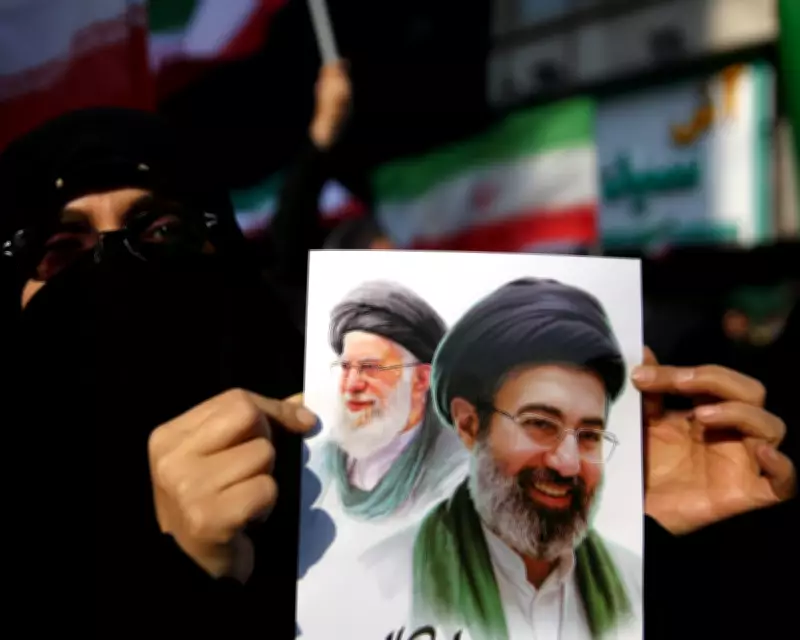
Crowds in Tehran gathered to celebrate the announcement of Iran's new supreme leader, Mojtaba Khamenei, chanting "God's hand is still upon us, Khamenei is still our leader." As the global economy slows, Iran presents his elevation as a sign of continuity, reinforcing the country's defiance against Western pressures. However, this transition injects a new and unpredictable element into the Middle East crisis, with Mojtaba Khamenei remaining an enigmatic figure both internationally and domestically.
An Obscure Figure Rises to Power
Unlike his predecessors, Mojtaba Khamenei has lived largely out of the public eye. His father, Ali Khamenei, served as president for eight years before becoming supreme leader in 1989, following Ruhollah Khomeini's revolutionary leadership. In contrast, Mojtaba was a backroom bureaucrat, described in a 2007 US diplomatic cable as "the path to access to his father." There is only one known video of him speaking publicly, and no substantive interviews outline his views, making his leadership intentions a key question for Iran and the world.
IRGC Influence and Power Struggles
As deputy chief of staff in the supreme leader's office for two decades, Mojtaba Khamenei has long been the favored candidate of the Islamic Revolutionary Guards Corps (IRGC), the core of Iran's military-industrial complex. A Western diplomat noted that his selection "shows Iran is doubling down on the security state," suggesting the new leader will be even more beholden to the IRGC. This appointment followed intense power struggles, with figures like Ali Laijani warning against an inexperienced leader during wartime, and opponents such as Ali Asghar Hejazi being killed in Israeli airstrikes.
Overcoming Obstacles to Leadership
The IRGC faced multiple challenges in securing Mojtaba Khamenei's position:
- Health Concerns: After the bombing of the supreme leader's compound on February 28, which killed his mother, wife, son, and other relatives, questions arose about his physical and emotional readiness for high office during war.
- Religious Qualifications: Previously holding the lower rank of Hojjat al-Islam, Mojtaba's credentials were fast-tracked by the Assembly of Experts under IRGC pressure, with some media outlets granting him the title "Ayatollah."
- Hereditary Principle: Despite Iran's republic being founded in opposition to dynastic rule, theological arguments were used to override objections to inherited power, though doubts persist across Iranian society.
Assembly of Experts and Political Vacuum
Debates emerged over whether the Assembly of Experts could safely meet in person, given risks like the bombing of its secretariat offices in Qom. Centrist former president Hassan Rouhani urged delay and called for political reform after the war, but IRGC media and hardline clerics emphasized the need to fill the leadership vacuum. US President Donald Trump's insistence on involvement only strengthened Iran's resolve to assert sovereignty in its decisions.
Future Leadership and Regional Impact
Mojtaba Khamenei's leadership style remains uncertain. His father transformed the supreme leader role into a central government engine, often avoiding factional battles while ensuring blame was diverted. He also enabled the IRGC's near-monopoly control of Iran's economy, funding extraterritorial activities. Maryam Alemzadeh, an associate professor at St Antony's College, Oxford, highlighted this economic dominance as a key legacy. The new leader is expected to continue distrusting the US, looking instead to China and Russia for support, and protecting the IRGC's empire, from which he has personally benefited.
Initial Tests and Conservative Optimism
Key early tests for Mojtaba Khamenei will include whether he renews his father's fatwa against nuclear weapons and sets preconditions for talks with the US or Gulf neighbors. Conservatives, however, are optimistic. Ezzatollah Zarghami, a former culture minister who claims weekly meetings with Mojtaba, described him as "a proponent of dialogue and listening to others' voices," adding that his humility has already challenged Trump's expectations. As Iran navigates this transition, the mystery surrounding its new supreme leader adds a layer of complexity to the ongoing Middle East crisis.