Hungary Threatens to Veto €90bn EU Loan to Ukraine Over Oil Pipeline Dispute
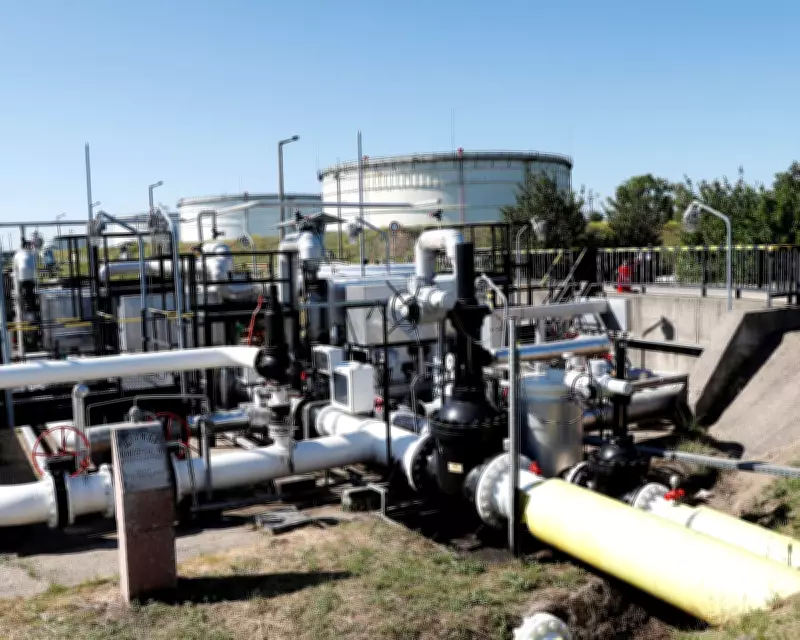
The Hungarian government, led by Prime Minister Viktor Orbán, has issued a stark ultimatum to Ukraine, threatening to block a crucial €90 billion European Union loan unless Kyiv resumes Russian oil deliveries through the Druzhba pipeline. This pipeline, a critical energy artery, has been shut down since January due to damage sustained during a Russian attack, sparking a fierce diplomatic row between Hungary, Slovakia, and Ukraine.
Orbán's Firm Stance on the Druzhba Pipeline
In a bold statement posted on Facebook, Orbán declared, "As long as Ukraine blocks the Druzhba pipeline, Hungary will block the €90 billion Ukrainian war loan. We will not be pushed around!" This threat directly ties financial aid for Ukraine's war effort to the restoration of oil transit, highlighting the complex interplay between energy security and geopolitical support. Hungarian Foreign Minister Peter Szijjarto reinforced this position on social media, accusing Ukraine of violating the EU-Ukraine Association Agreement by blocking the oil flow and vowing not to yield to what he termed "blackmail."
Slovakia Joins the Pressure Campaign
Slovakia has aligned with Hungary in this dispute, with Prime Minister Robert Fico declaring a state of emergency over oil supplies and threatening retaliatory measures against Ukraine if the pipeline remains closed. Slovakian Economy Minister Denisa Sakova revealed that Ukraine has postponed the resumption of oil deliveries until February 24, further escalating tensions. The Druzhba pipeline, which runs from Russia through Ukraine to Slovakia and Hungary, is vital for both countries' energy needs, making its closure a significant economic and political issue.
Zelenskyy's Defiant War Update
Amid this diplomatic standoff, Ukrainian President Volodymyr Zelenskyy provided an update on the war, asserting that Ukraine is not losing the conflict. In an interview with Agence France-Presse, he stated, "You can't say that we're losing the war. Honestly, we're definitely not losing it, definitely. The question is whether we will win." Zelenskyy claimed that Ukrainian forces have liberated 300 square kilometers in recent counterattacks along the southern frontline, though this claim remains unverified. He also acknowledged challenges, including disruptions from outages of Elon Musk's Starlink internet terminals, which have affected both sides in the conflict.
European Military Powers Launch Drone Initiative
In a related development, five of Europe's top military powers—Britain, France, Germany, Italy, and Poland—announced a joint program to rapidly develop low-cost drones. This initiative, named the Low-Cost Effectors and Autonomous Platforms (Leap) project, aims to enhance defense against drones and modernize warfare tactics, driven by lessons from the Ukraine conflict. German Defense Minister Boris Pistorius emphasized the goal of "rapidly and cheaply develop innovative systems" for mass production, with UK Minister Luke Pollard noting multimillion-dollar commitments to advance the technology within 12 months.
Other Key Developments in the Ukraine War
- Ukrainian drones reportedly damaged a site in Russia's Udmurtia region, with injuries reported, according to local governor Alexander Brechalov. An unofficial Ukrainian source claimed the attack targeted a missile manufacturing plant in Votkinsk.
- Ukrainian competitors will boycott the Milano Cortina Paralympics opening ceremony due to the International Paralympic Committee's allocation of slots to Russian and Belarusian athletes with national flags, sparking political controversy.
- UN Women reported that over 5,000 women and girls have been killed and 14,000 injured in Ukraine since Russia's invasion began in February 2022, underscoring the human toll of the conflict.
As the war approaches its fourth anniversary, these developments highlight the multifaceted challenges facing Ukraine, from battlefield advances and diplomatic disputes to international military cooperation and humanitarian crises. The standoff over the Druzhba pipeline exemplifies how energy politics continue to shape the broader conflict, with Hungary's threat casting uncertainty over EU support for Kyiv.