EU Shifts from Exhortation to Action in Israel Policy
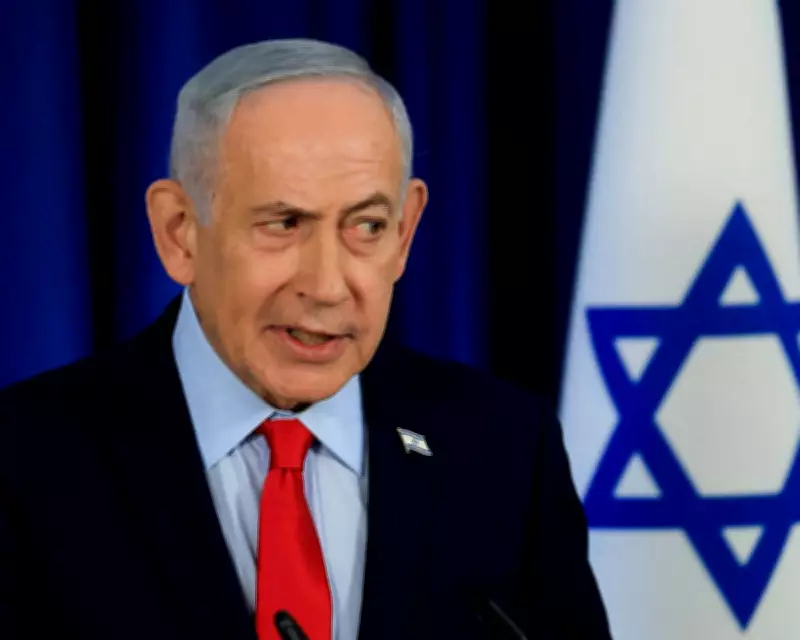
In recent months, European expressions of concern over the actions of Benjamin Netanyahu's government have escalated into outright condemnation. The European Commission president, Ursula von der Leyen, voiced horror and outrage at aid restrictions in Gaza, labeling the situation a "man-made famine." Brussels has also criticized settler violence and land grabs in the West Bank, which undermine prospects for a viable Palestinian state. Responding to bombings in Lebanon, EU foreign policy chief Kaja Kallas emphasized that Israel's right to self-defense does not justify such destruction.
Contempt for European Critics
Despite these strong words, Mr. Netanyahu and his ministers have treated European critics with barely concealed contempt. This attitude is likely reinforced by similar behavior from key allies in the White House. The European Union remains Israel's largest trading partner and offers significant academic benefits through programs like Horizon. However, internal disunity and an overoptimistic faith in persuasion have hindered the bloc from using these relationships as leverage.
Signs of a Changing Approach
Belatedly, indications suggest a shift in European strategy. The recent election setback for Hungary's outgoing prime minister, Viktor Orbán, represents a loss for Mr. Netanyahu, who relied on this far-right ally. In February, Hungary alone blocked EU sanctions against violent settlers in the West Bank, a measure requiring unanimity. With Mr. Orbán's successor expected to take office, this proposal is likely to resurface.
More broadly, Spain is formally advocating for the suspension of the EU's association agreement with Israel, citing human rights violations. While unanimous support from countries like Germany may be lacking, a partial suspension affecting trade components—previously supported by Ms. von der Leyen—could proceed with a weighted majority.
Growing Momentum for Action
Although such measures faced obstacles last autumn, the mood is shifting as the extremism of the Netanyahu government becomes more apparent. Following disputes over civilian deaths in Lebanon, Italy's prime minister, Giorgia Meloni, announced the suspension of a defense cooperation agreement with Israel, citing the current situation. Ms. Meloni, once a close ally like Mr. Orbán, reflects a broader trend.
As geopolitical fallout from conflicts destabilizes economies, European governments can no longer afford passive rhetoric. With one-third of Israel's trade tied to the EU, the bloc holds significant leverage, alongside cultural and academic ties based on shared values. Yet, Brussels has seen its views ignored as Israel pursues a maximalist agenda, aided by figures like Donald Trump, with little room for a two-state solution. If European corridors of power are now changing course, it is a long-overdue development.