In 2025, a computer programmer known as André spent his days waking up early and downloading as many government datasets as possible before they were deleted. He continued through the afternoon and sometimes into the night, reacting to notifications from a group chat alerting him to newly removed webpages. “Things were going dark left and right,” said André, who requested anonymity to protect himself and his family.
The Race to Preserve Critical Data
The Trump administration has removed or altered thousands of webpages and datasets on climate change, reproductive health, international aid, and LGBTQ+ issues as part of an effort to purge “woke ideology” from the federal bureaucracy. This information is essential for public safety, policy-making, and services. André joined a group of “data rescuers” who have banded together during Trump’s second term to quietly save hundreds of critical datasets.
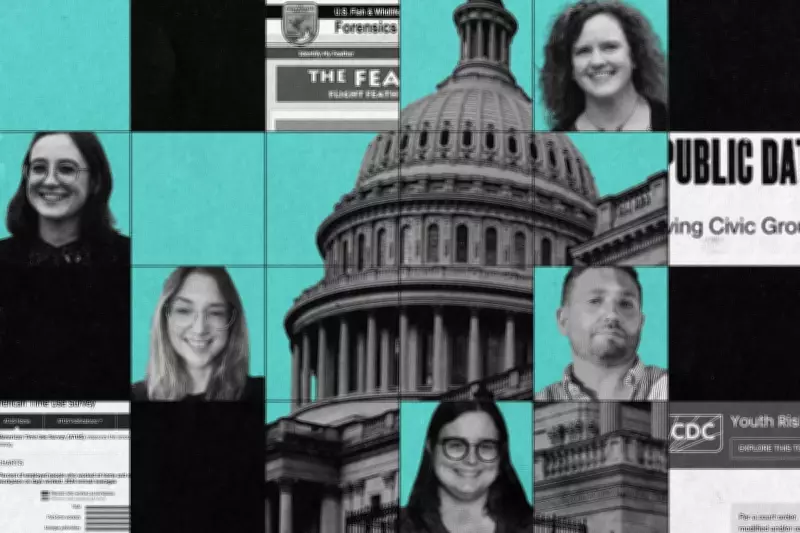
The Data Rescue Project is a grassroots network of over 800 volunteers worldwide, including librarians, academics, programmers, and retirees. They spend up to 40 hours a week archiving the US government’s digital footprint. Lynda Kellam, a university data librarian and founding member, said the group believes “public data should be a public good, just like roads and bridges.”
From Crisis to Long-Term Strategy
Initially, volunteers frantically downloaded data from agencies like the CDC and NOAA to create backup copies. As deletion rates slowed, they shifted focus to building long-term data resiliency. All archived information is uploaded to DataLumos, a searchable public repository at the University of Michigan. Volunteers also write metadata for each item to ensure it remains understandable.
“It’s one thing to download data, but you need an ecosystem with metadata to preserve it,” said Frank Donnelly, a university librarian who began volunteering last winter. The group prioritizes the most at-risk datasets among the at least 500,000 federal datasets on Data.gov.
Impact and Achievements
By late April, volunteers had archived over 3,000 items from hundreds of government departments, downloaded over 18,900 times. Notable saves include a full archive of NASA webpages, the US Fish & Wildlife Service’s Feather Atlas, and HIFLD Open—a collection of 400 maps of critical infrastructure used by emergency responders. After the Department of Homeland Security removed HIFLD Open, volunteers’ archived data helped rebuild it as HIFLD Next. They also preserved altered CDC data on queer and trans people.
For André, the work has provided purpose after a severe spine injury left him housebound. “Diving into data rescue helped me take control and feel like I was doing something to help,” he said. Lynda Kellam sees it as a social movement: “We’re not going to have a million-person march, but getting people interested in a nerdy topic is a success.”