Yvette Cooper Stresses 'Substance Not Social Media' in Response to Trump's Criticism
Foreign Secretary Yvette Cooper has declared her focus remains on 'substance not social media' after former US President Donald Trump launched a fresh verbal attack on Prime Minister Keir Starmer and the United Kingdom's foreign policy decisions. Cooper made these remarks during a television interview, directly addressing Trump's recent comments questioning whether the UK remains a 'Great Ally' to the United States.
Trump's Social Media Rebuke and Military Critique
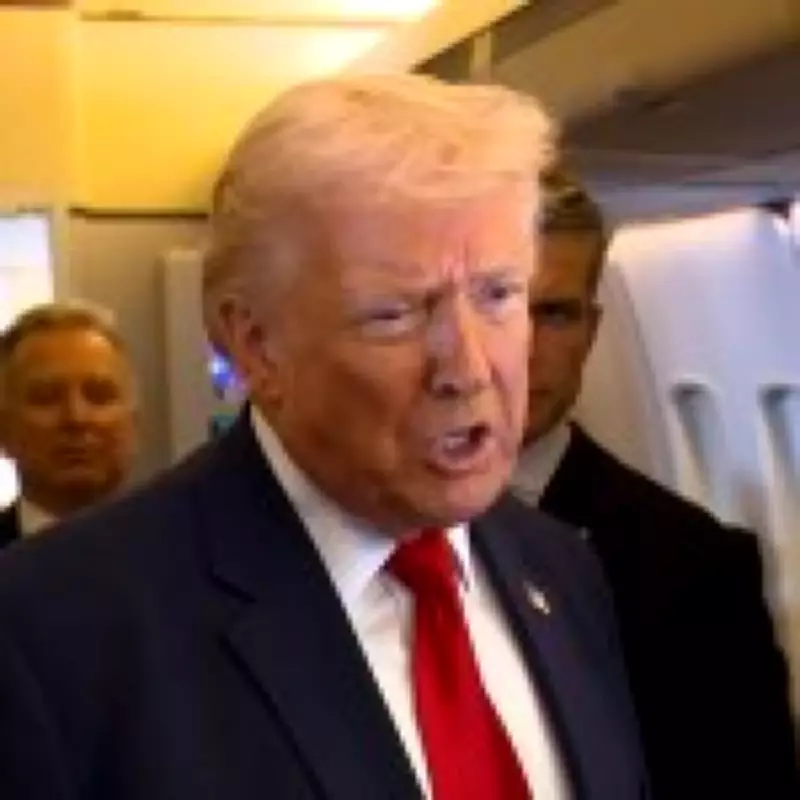
The controversy erupted when Donald Trump posted on social media that 'we don't need people that join Wars after we've already won', a statement widely interpreted as criticism of reported British considerations to deploy aircraft carriers to the Middle East. Trump further elaborated to reporters, suggesting that such military assets 'would have been nice' two weeks prior but are now unnecessary.
This incident follows a week of sustained criticism from Trump directed at Prime Minister Starmer, whom he labeled 'no Churchill' over the UK's initial reluctance to permit American use of British bases for strikes against Iran. The British government has since revised its position, allowing the United States to conduct defensive operations from UK facilities.
Cooper's Diplomatic Response and National Interest Focus
In her response to Sky News, Yvette Cooper acknowledged that disagreements between allies are inevitable. 'Sometimes we will disagree,' she stated, emphasizing that both nations must act according to their respective national interests. She referenced the initial disagreement over basing support for US strikes, asserting that Prime Minister Starmer's decision was legitimate and within his prerogative.
Cooper also addressed comments from former Prime Minister Tony Blair, who expressed that the UK 'should have backed America from the very beginning.' While acknowledging Blair's perspective, Cooper highlighted the importance of learning from past conflicts, specifically mentioning the Iraq War. She articulated a balanced approach to the UK-US relationship, rejecting both unconditional agreement and absolute refusal to cooperate with American initiatives.
Broader Political Context and Military Deployments
The diplomatic exchange occurs against a backdrop of heightened military activity in the Middle East. The Ministry of Defence confirmed that one of the UK's two aircraft carriers has been placed on advanced readiness, signaling potential deployment. Additionally, the British government has initiated other military measures to protect national interests in the region.
- Four Typhoon jets have been deployed from RAF Coningsby to Qatar to establish a protective presence for British citizens in the Gulf.
- Royal Navy warship HMS Dragon will be dispatched to defend RAF Akrotiri in Cyprus, which has been targeted by Iranian-made drones.
Prime Minister Starmer has reaffirmed his commitment to supporting British interests through these deployments, despite the external criticism. The situation underscores the ongoing complexities in international diplomacy, where strategic decisions must balance alliance obligations with sovereign national priorities.