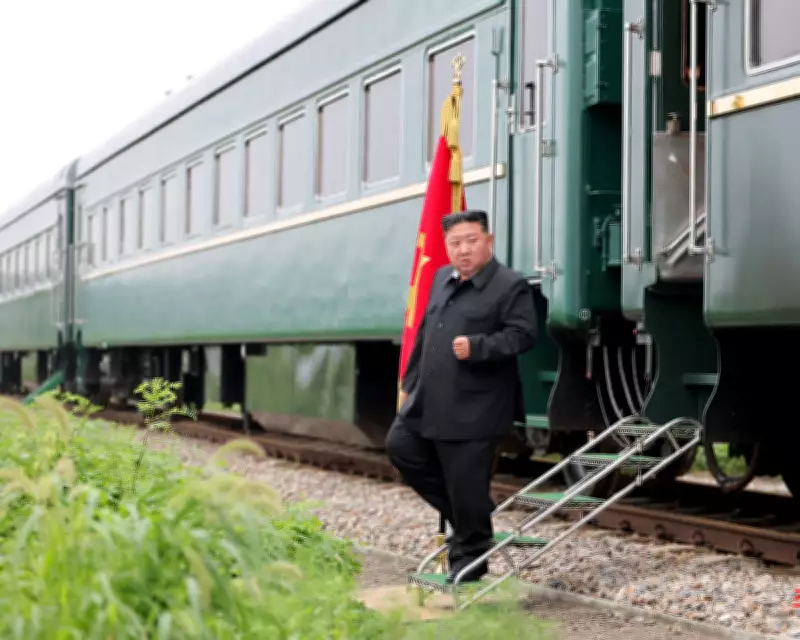
In a significant development for cross-border travel, passenger train services between China and North Korea are scheduled to resume operations this week, marking the end of a six-year suspension imposed during the Covid-19 pandemic. Travel operators have confirmed that tickets are now being sold for the first services, signaling a cautious step towards reopening by Pyongyang's reclusive authorities.
Resumption of Cross-Border Rail Links
The train journeys between the two neighboring nations were halted in 2020 when both countries implemented strict border closures to prevent the spread of the coronavirus. While China has since fully reopened its borders, North Korea has proceeded at a much slower pace, maintaining tight controls over international travel. This resumption follows the revival of direct flights and train services with Russia last year, indicating a gradual easing of restrictions.
Ticket Availability and Eligibility
According to travel agents at official ticketing booths in Beijing and the Chinese border city of Dandong, Chinese citizens working and studying in North Korea are now able to purchase train tickets, with the inaugural service departing on Thursday. Similarly, North Koreans who are employed, studying, or visiting family abroad are eligible to buy tickets. However, it is important to note that tourists are not yet permitted to access these services, highlighting the selective nature of the reopening.
Rowan Beard, tours manager at Young Pioneer Tours, expressed optimism about the development, stating to Agence France-Presse, "It's great to see the international train service resuming." He confirmed that his company, which specializes in travel to North Korea, can organize tickets from Thursday. Beard added that while the service is not initially intended for tourists, it will provide an alternative travel option once tourism to North Korea eventually returns, serving as a complement to air travel.
Official Responses and Regional Implications
China's foreign ministry spokesperson, Guo Jiakun, did not confirm the reports when questioned by reporters at a media briefing on Tuesday, maintaining a degree of ambiguity. In contrast, South Korea's unification ministry issued a statement acknowledging the resumption, saying, "We understand that the Pyongyang-Beijing international train service is set to resume operations on March 12, and we will continue to closely monitor related developments."
Historically, China has been North Korea's biggest backer and a crucial lifeline for its struggling economy. However, in recent years, Pyongyang has drawn closer to Russia, particularly since the onset of the Ukraine war, potentially shifting some diplomatic and economic dynamics. The resumption of train services may reinforce China's role as a key partner, albeit amid ongoing geopolitical complexities.
Mixed Signals from North Korean Authorities
Pyongyang's authorities have sent mixed signals regarding further openings. In a recent example, Koryo Tours reported that North Korea cancelled an international marathon in Pyongyang, originally scheduled for early next month, citing an official statement without providing an explanation. The company described the cancellation as unexpected and indicated that the decision appeared to have been "taken at a level above the organizers of the event itself." This marathon is the largest international sporting event in North Korea, offering a rare opportunity for visitors to run through the tightly controlled streets of the capital, making its cancellation a notable setback for tourism prospects.
The resumption of train services represents a tentative step towards normalizing cross-border movements, but it remains unclear whether this will lead to broader openings. Observers will be watching closely to see if this development paves the way for increased travel and economic exchanges, or if it remains a limited initiative aimed at specific groups. As the situation evolves, the international community continues to assess the implications for regional stability and North Korea's engagement with the outside world.