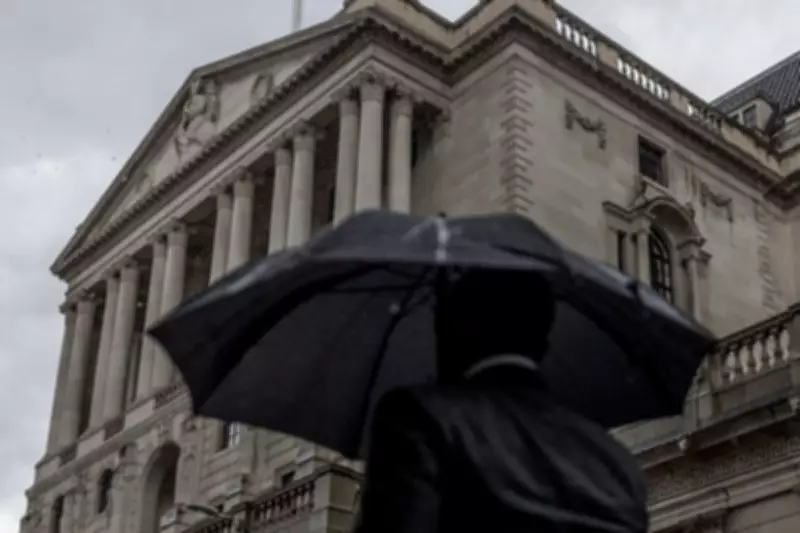
The Bank of England's upcoming interest rate decision on Thursday is expected to be 'highly uncertain,' with potential to rattle markets, as analysts anticipate a split vote and hawkish messaging related to the Iran war.
Market Expectations and Volatility
The Monetary Policy Committee (MPC) is widely expected to hold rates at 12pm Thursday, but traders are on edge. Last month, short-term gilt yields spiked as markets priced in up to three rate hikes over two years, prompting Governor Andrew Bailey to warn that traders were 'getting ahead of themselves.' However, bond markets and asset prices remain volatile due to the ongoing conflict in the Middle East.
Impact of the Iran War
City researchers highlight that the war's varying effects pose dilemmas for MPC members. All rate-setters will justify their votes in the minutes, and the Bank will publish revised forecasts—the first monetary policy report since the war began—alongside scenario guidance on inflation risks.
Bruna Skarica, economist at Morgan Stanley, described the meeting as 'highly uncertain from a market-reaction perspective,' with risks balanced relative to current pricing. She noted that the vote split, messaging, and scenario framing could sway price action, even if the overall tone is more balanced than in March.
Inflation and Growth Forecasts
The Bank's February report projected 0.9% growth and inflation falling to 2% by year-end, but both are expected to be heavily revised. UBS economist Anna Titareva said a rise in oil and gas prices since March could add over one percentage point to inflation, while food price increases could push the inflation forecast to 3.6%.
Andrew Wishart, senior UK economist at Berenberg, noted the main challenge is judging whether short-term inflation leads to a price-wage spiral. However, he argued that low vacancies relative to jobseekers and limited pricing power suggest firms and workers cannot prevent higher energy costs from eroding profits and incomes.
Potential Vote Splits
Some City banks, including BNP Paribas, suggest MPC members like chief economist Huw Pill and external member Megan Greene could vote for a rate hike due to inflation fears. Former rate-setter Jonathan Haskel warned that the biggest risk is 'de-anchored inflation expectations' among Brits, prompting faster price rises by firms.