Belgian Prime Minister Sparks Controversy with Russia Normalization Proposal
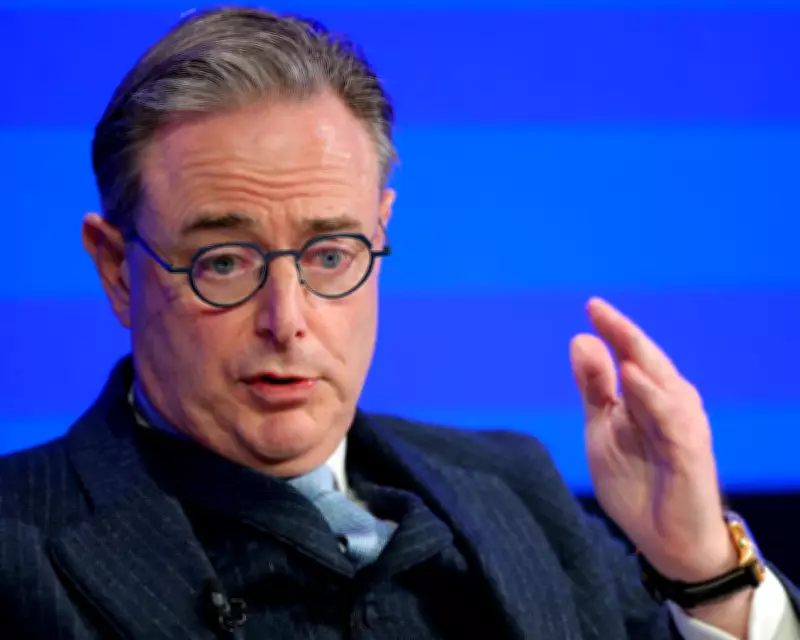
Belgium's Prime Minister, Bart De Wever, has ignited a significant political firestorm across Europe by publicly advocating for the normalization of diplomatic relations with Russia. The Flemish nationalist leader's primary motivation is to re-establish access to cheap energy supplies for the European Union, a suggestion that has been met with swift and severe criticism from both domestic and international quarters.
De Wever's Controversial Statements on European Strategy
In a recent interview with the Belgian newspaper L'Echo, De Wever articulated a position that starkly contrasts with the prevailing EU consensus. "We are losing on all fronts, we must end the conflict in Europe's interest," he declared, emphasizing the economic strain caused by the ongoing geopolitical tensions. The Prime Minister argued that Europe should simultaneously pursue rearmament while seeking to mend ties with Moscow to secure affordable energy resources, describing this dual approach as "common sense."
De Wever made the provocative claim that many other European leaders privately share his viewpoint but lack the courage to express it publicly. "In private European leaders tell me I am right, but no one dares say it out loud," he asserted. Furthermore, he suggested that bringing Russia to its knees would require unwavering support from the United States, a scenario he views as unlikely, noting that Washington sometimes appears closer to Vladimir Putin than to Ukrainian President Volodymyr Zelenskyy.
Immediate Domestic and International Condemnation
The response from within De Wever's own government was rapid and unequivocal. Belgium's Foreign Minister, Maxime Prévot, who belongs to a centrist party within the ruling coalition, publicly distanced himself from the Prime Minister's remarks. Prévot highlighted Russia's refusal to allow meaningful European participation in negotiations and its adherence to maximalist demands. "As long as this lasts, speaking of normalization will be perceived as a sign of weakness that will sap European unity, which we need more than ever," he warned.
Prévot explicitly stated that easing pressure on Russia at this juncture would amount to "giving Putin exactly what he wants," thereby undermining the collective resolve of the European Union. This internal disagreement underscores the deep divisions within the Belgian administration regarding the appropriate stance toward Moscow.
Lithuania's Foreign Minister, Kęstutis Budrys, echoed these concerns during a press briefing on Monday. He reminded the international community of the extensive demands Russia presented in 2021, which included the removal of NATO troops and weapons from countries that joined the alliance after 1997—a condition that would effectively compromise the security of much of Eastern Europe, including Poland, the Baltic states, and Balkan nations.
"We know their demands coming back from '21. And that will be not only related to Ukraine, that will be related also to us and to the deployment of the forces and many other things. So we have to collect our strength," Budrys emphasized. He advocated for maintaining a position of strength, specifically referencing the strategic use of frozen Russian assets, a significant portion of which are held within Belgian financial institutions.
A Pattern of Divergence from EU Mainstream Policies
This incident is not an isolated occurrence in De Wever's political trajectory. The Prime Minister has previously positioned himself at odds with broader European Union strategies. He played a pivotal role in obstructing the EU's plan to utilize frozen Russian assets to provide financial assistance to Ukraine, citing potential legal liabilities for Belgium. Consequently, EU leaders opted for an alternative approach: securing a €90 billion loan to support Ukraine's war effort and public finances, although this initiative is currently being delayed by Hungary's objections.
De Wever's preference for resuming cheap Russian energy imports also directly conflicts with established EU energy policies. In December, the European Union formally agreed to phase out all Russian gas imports by November 2027 and reaffirmed its commitment to ending Russian oil imports by the conclusion of the same year. These measures are designed to reduce Europe's historical dependency on Russian energy, which has been exploited as a geopolitical weapon.
EU Energy Commissioner Reaffirms Commitment to Independence
EU Energy Commissioner Dan Jørgensen addressed De Wever's comments on Monday, reiterating the importance of adhering to the bloc's energy independence goals. "We have been for too long dependent on energy from Russia, making it possible for Putin to blackmail us with energy, making it possible for Putin to weaponise energy against us," he stated during a press conference. Jørgensen warned that reverting to previous practices would be "a mistake for us to repeat what we did in the past," emphasizing the strategic necessity of diversifying energy sources and strengthening European resilience against external coercion.
The controversy surrounding Bart De Wever's remarks highlights the ongoing tensions within Europe regarding the best path forward in dealing with Russia. While economic pressures, particularly concerning energy costs, are undeniable, the overwhelming response from key European figures suggests a firm commitment to maintaining a unified and principled stance against aggression, prioritizing long-term security over short-term economic relief.