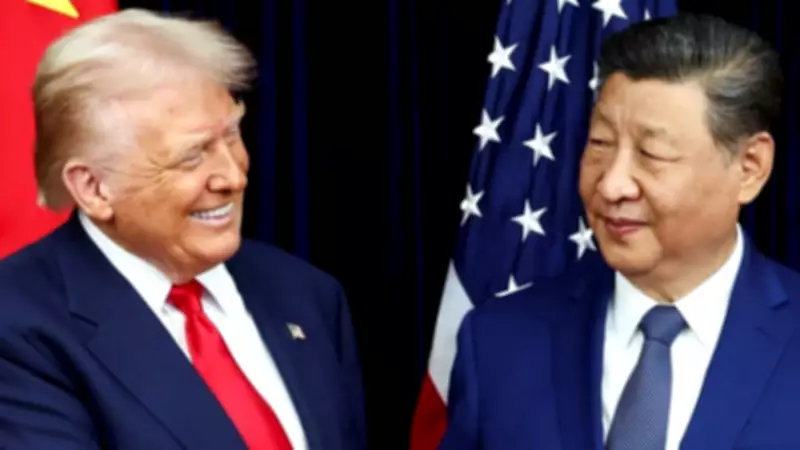
In a world often deemed unpredictable, recent events have unfolded with striking clarity, offering Beijing critical insights into Donald Trump's tolerance for economic pain as they strategize for a potential invasion of Taiwan. Dominic Waghorn, the international affairs editor, highlights that two highly foreseeable outcomes have emerged, reshaping global dynamics and informing China's calculations.
Predictable Patterns in Global Conflicts
The Middle East has followed a script long anticipated by analysts. When Iran is attacked, the response is swift and severe: the ayatollahs remove all restraints, targeting multiple adversaries and disrupting vital shipping lanes like the Strait of Hormuz. This leads to sunken tankers, skyrocketing insurance costs, and a surge in oil prices. Gulf allies warn of catastrophic energy shortages, while economists predict global economic turmoil. For an American president facing midterm elections, the mounting economic pressure becomes unbearable, forcing a retreat.
The TACO Presidency: Trump Always Chickens Out
Robert Armstrong, who coined the term "TACO president" for Trump Always Chickens Out, notes in the Financial Times that Trump's recent comments signal a desire for an exit strategy, delighting markets. This message is precisely what Iranian leadership needs to hear—Trump wants out, whether immediately or soon. Despite losing military assets, Iran's regime may remain in power, declaring victory if regime change fails. The nuclear program, though declared obliterated, could be rebuilt by committed scientists and leadership.
Lessons for Beijing on Taiwan
In Beijing, officials have been meticulously observing these developments as they plan to seize Taiwan during Xi Jinping's presidency. They now have a clearer gauge of Donald Trump's tolerance for economic pain, a crucial element in gaming an invasion of their neighbor. A president once feared for his unpredictability and mercurial nature has become somewhat more predictable after what he termed a 'short-term excursion' in the Middle East. This analysis underscores how global events are shaping strategic calculations in East Asia, with economic factors playing a pivotal role in military planning.